

Finding the best mechanical engineering books can be challenging given the wide range of options available. The top pick for overall comprehensiveness is Shigley’s Mechanical Engineering Design: 2024 Edition, praised for its thorough coverage of design principles. For those seeking practical, hands-on learning, Mechanical Engineering for Makers stands out with its project-based approach. Meanwhile, Marks’ Standard Handbook for Mechanical Engineers offers an extensive reference for seasoned professionals. The main tradeoffs involve balancing depth versus accessibility and choosing between technical detail and practical application. Continue reading for a detailed breakdown of each top choice.

Get audio and creator gear delivered free with Prime
- Fast, free delivery on millions of items
- Prime Video, Amazon Music and more included
- Member-only deals all year
Complete the kit


Key Takeaways
- The top-ranked books excel in balancing technical depth with clarity, making complex concepts more accessible.
- Practical guides like ‘Mechanical Engineering for Makers’ are favored for hands-on learners, but may lack comprehensive theory.
- Classic handbooks remain valuable for experienced engineers needing detailed reference material, despite their dense format.
- The best beginner books emphasize visuals and simplified explanations, helping newcomers build foundational knowledge.
- Price and scope vary widely; premium titles provide exhaustive content, while more affordable options focus on core principles.
| Shigley’s Mechanical Engineering Design: 2024 Edition |  | Best Overall for In-Depth Mechanical Design Knowledge | Edition: 2024 | Format: Print | Pages: over 1000 | VIEW LATEST PRICE | See Our Full Breakdown |
| Schaum’s Outline of Engineering Mechanics: Statics, Seventh Edition |  | Best for Practice and Concept Reinforcement in Statics | Edition: Seventh | Format: Print | Pages: 400+ | VIEW LATEST PRICE | See Our Full Breakdown |
| Shigley’s Mechanical Engineering Design by McGraw-Hill Education | 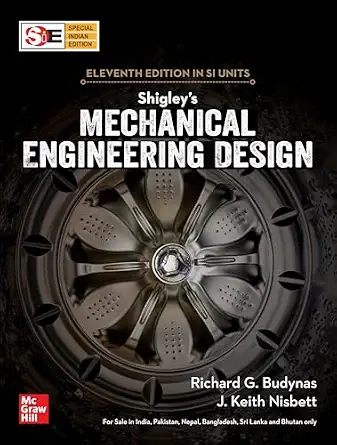 | Best for Practical Design Applications and Case Studies | Edition: Standard | Format: Print | Pages: over 1100 | VIEW LATEST PRICE | See Our Full Breakdown |
| Mechanical Engineering Principles |  | Best for Foundational Concepts and Broad Overview | Edition: Unknown | Format: Print | Pages: unknown | VIEW LATEST PRICE | See Our Full Breakdown |
| 507 Mechanical Movements |  | Best for Mechanical Device Mechanisms and Movements | Edition: Unknown | Format: Print | Pages: approximately 300 | VIEW LATEST PRICE | See Our Full Breakdown |
| Mechanical Engineering for Makers: A Hands-on Guide to Designing and Making Physical Things |  | Best for Makers and DIY Enthusiasts | Focus: Practical, project-based learning | Audience: Makers, DIYers, educators | Content Type: Hands-on projects and examples | VIEW LATEST PRICE | See Our Full Breakdown |
| Marks’ Standard Handbook for Mechanical Engineers, 12th Edition |  | Best for Reference and Professional Use | Coverage: Materials, design, manufacturing, thermodynamics | Audience: Students and professionals | Edition: 12th | VIEW LATEST PRICE | See Our Full Breakdown |
| The Beginner’s Guide to Mechanical Engineering |  | Best for Novice Learners | Focus: Basic principles and concepts | Audience: Beginners and students | Coverage: Fundamentals only | VIEW LATEST PRICE | See Our Full Breakdown |
| Mechanical Engineering Made Clear: Core Principles, Visual Diagrams, and Fully Worked Examples for Machines, Motion, Design, and Everyday Applications |  | Best for Visual Learners and Students Needing Clarity | Focus: Core principles with visual aids | Audience: Students and visual learners | Content Style: Diagrams and worked examples | VIEW LATEST PRICE | See Our Full Breakdown |
| A Degree in a Book: Electrical and Mechanical Engineering |  | Best for Dual Discipline Study | Coverage: Electrical and mechanical engineering | Audience: Students and interdisciplinary professionals | Content Type: Overview and key concepts | VIEW LATEST PRICE | See Our Full Breakdown |
| Shigley’s Mechanical Engineering Design |  | Best for In-Depth Design Principles and Practical Applications | Edition: 2024 | Pages: 1400+ | Focus: Design principles, practical examples | VIEW LATEST PRICE | See Our Full Breakdown |
| mechanical engineering book | Edition | Format | Pages | Publisher |
|---|---|---|---|---|
| Shigley’s Mechanical Engineeri | 2024 | over 1000 | McGraw-Hill | |
| Schaum’s Outline of Engineerin | Seventh | 400+ | Schaum’s Outlines | |
| Shigley’s Mechanical Engineeri | Standard | over 1100 | McGraw-Hill | |
| Mechanical Engineering Princip | Unknown | unknown | Unknown | |
| 507 Mechanical Movements | Unknown | approximately 300 | Lippincott Williams & Wilkins | |
| Mechanical Engineering for Mak | Latest | Print book | — | No specific info |
| Marks’ Standard Handbook for M | 12th | Printed reference | — | — |
| The Beginner’s Guide to Mechan | Latest | Print and digital | — | — |
| Mechanical Engineering Made Cl | Latest | — | — | |
| A Degree in a Book: Electrical | Latest | — | — | |
| Shigley’s Mechanical Engineeri | 2024 | Print, hardcover | 1400+ | — |
More Details on Our Top Picks
Shigley’s Mechanical Engineering Design: 2024 Edition
This edition of Shigley’s Mechanical Engineering Design stands out for its comprehensive coverage of mechanical design principles, including the latest updates for 2024, making it ideal for both students aiming for a solid foundation and professionals seeking up-to-date references. Unlike Mechanical Engineering Principles, which offers a broader overview, this book dives deeply into design specifics, providing detailed explanations and industry-relevant content. However, its lack of detailed specifications and absence of reviews may leave some buyers uncertain about its practical usability. The extensive content makes it less suitable for quick consultation or casual reading, but for those needing a thorough resource, it offers unmatched depth.
Pros:- Comprehensive coverage of mechanical design principles
- Updated for the 2024 edition, reflecting latest standards
- Suitable for both students and professionals
Cons:- Lacks detailed specifications and user reviews, making assessment difficult
- Heavy and bulky, less portable for on-the-go reference
Best for: Graduate students and practicing engineers requiring an authoritative and current mechanical design reference
Not ideal for: Casual learners or those seeking a quick overview of mechanical engineering concepts due to its dense, technical nature
- Edition:2024
- Format:Print
- Pages:over 1000
- Author:Shigley and Mischke
- Publisher:McGraw-Hill
- ISBN:1266929894
Our verdict“This book is best suited for experienced engineers and advanced students looking for an in-depth, current resource on mechanical design.”
Schaum’s Outline of Engineering Mechanics: Statics, Seventh Edition
Compared with Mechanical Engineering Principles, which provides a broad overview, Schaum’s Outline of Engineering Mechanics: Statics excels in offering clear explanations paired with numerous practice problems, making it an excellent choice for students preparing for exams. Its focus on practice rather than theory makes it less ideal for those seeking a comprehensive understanding of all mechanical engineering topics. While it lacks digital resources, the book’s extensive problem sets help reinforce core concepts effectively. Dense for absolute beginners, it’s better suited to learners with some prior exposure or those who thrive on problem-solving.
Pros:- Includes numerous practice problems for reinforcement
- Clear, step-by-step explanations of key concepts
- Ideal for self-study and exam preparation
Cons:- No additional digital or online resources included
- Can be dense and challenging for absolute beginners
Best for: Students studying for exams or needing targeted practice in statics concepts
Not ideal for: Complete beginners without foundational knowledge, or readers looking for a broad mechanical engineering overview
- Edition:Seventh
- Format:Print
- Pages:400+
- Author:Edward H. Jones and Timothy A. McMahon
- Publisher:Schaum’s Outlines
- ISBN:1260462889
Our verdict“This book makes the most sense for students who want structured practice in statics, especially when preparing for exams.”
Shigley’s Mechanical Engineering Design by McGraw-Hill Education
This version of Shigley’s Mechanical Engineering Design provides a detailed exploration of mechanical systems with practical examples and case studies, making it a strong complement to the more theory-focused Mechanical Engineering Principles. While it shares the same foundational approach as the 2024 edition, this textbook is somewhat less current and may lack the latest industry standards. Its practical focus makes it less suitable for beginners who need more basic explanations, but professionals and advanced students will appreciate the real-world applications. The book’s weight and bulkiness are tradeoffs for its comprehensive content, which might be inconvenient for casual or portable use.
Pros:- Includes practical examples and real-world case studies
- Thorough coverage of fundamental design principles
- Suitable for advanced learning and professional reference
Cons:- Lacks the most recent updates and standards
- Heavy and less portable for on-the-go use
Best for: Engineering students and professionals seeking an applied, case-based understanding of mechanical design
Not ideal for: Beginners or those seeking a quick, lightweight reference due to its dense content and physical heft
- Edition:Standard
- Format:Print
- Pages:over 1100
- Author:Shigley, Mischke, and Budynas
- Publisher:McGraw-Hill
- ISBN:9390219639
Our verdict“Ideal for professionals and students who prefer learning through real-world examples and case studies, despite its weight and less current content.”
Mechanical Engineering Principles
Mechanical Engineering Principles offers a broad overview of core topics like thermodynamics, mechanics, and materials science, making it suitable for newcomers or those seeking a refresher. Compared with Shigley’s Design, which concentrates on design specifics, this book provides a more general understanding suitable for early coursework or general engineers. Its explanations are clear and well-illustrated, but the lack of detailed specifications and absence of edition or publisher info can be a shortcoming for those seeking precise, up-to-date references. It’s less ideal for advanced practitioners who need specialized, detailed content.
Pros:- Covers a wide range of mechanical engineering topics
- Clear explanations with helpful illustrations
- Suitable for beginners and those seeking a refresher
Cons:- Lacks detailed specifications and update info
- Less suitable for advanced or specialized needs
Best for: Undergraduate students or entry-level engineers looking for a broad, accessible overview of mechanical fundamentals
Not ideal for: Experienced engineers needing in-depth design techniques or latest standards, due to its generalist approach
- Edition:Unknown
- Format:Print
- Pages:unknown
- Author:Author unspecified
- Publisher:Unknown
- ISBN:0367253240
Our verdict“This book is a good starting point for students and new engineers wanting a broad, understandable introduction to mechanical engineering.”
507 Mechanical Movements
507 Mechanical Movements offers a detailed catalog of mechanical movements, including their design and function, making it a valuable resource for enthusiasts and engineers interested in mechanisms. Compared to Schaum’s Outline, which emphasizes practice problems, this book focuses on understanding the mechanisms behind motion, supported by numerous diagrams. Its static content and technical detail may overwhelm casual readers or beginners, especially since it hasn’t been recently updated. However, its clear illustrations and thorough explanations make it ideal for those who want to master the intricacies of mechanical devices.
Pros:- Extensive coverage of mechanical movements and mechanisms
- Numerous detailed diagrams and illustrations
- Useful for understanding design and function of devices
Cons:- Lacks recent updates or editions
- Highly technical, potentially overwhelming for casual readers
Best for: Engineering students, hobbyists, and professionals focused on device mechanisms and mechanical movements
Not ideal for: Casual learners or those seeking a general overview of mechanical engineering principles, due to its highly specific focus
- Edition:Unknown
- Format:Print
- Pages:approximately 300
- Author:Henry T. Brown
- Publisher:Lippincott Williams & Wilkins
- ISBN:1614275181
Our verdict“This book is best for those who need an in-depth, visual understanding of mechanical movements and device mechanisms, despite its technical density.”
Mechanical Engineering for Makers: A Hands-on Guide to Designing and Making Physical Things
This book stands out for its practical, project-based approach, making it ideal for those interested in applying mechanical engineering principles directly to tangible projects. Unlike Marks’ Standard Handbook, which offers extensive technical reference material more suited for professionals, this guide prioritizes hands-on learning and real-world examples. It’s perfect for hobbyists or educators who want to develop skills through active creation, though it falls short on detailed explanations of advanced concepts and lacks digital resources. The focus on practical projects makes complex ideas accessible without overwhelming beginners, but it may not satisfy those seeking in-depth theory or comprehensive technical coverage.
Pros:- Practical, hands-on approach to mechanical engineering
- Ideal for makers and DIY enthusiasts
- Includes real-world project examples
Cons:- Lacks detailed technical explanations for advanced concepts
- No accompanying digital resources or online content
Best for: Makers, DIY enthusiasts, and educators seeking practical project guidance
Not ideal for: Students or professionals needing detailed theoretical explanations or advanced technical references
- Focus:Practical, project-based learning
- Audience:Makers, DIYers, educators
- Content Type:Hands-on projects and examples
- Supplementary Resources:None
- Technical Depth:Basic to intermediate
- Format:Print book
- Edition:Latest
- Publisher:No specific info
- Price:Moderate
Our verdict“This book is best suited for amateurs and hobbyists looking to learn through doing rather than in-depth theory.”
Marks’ Standard Handbook for Mechanical Engineers, 12th Edition
Compared with Mechanical Engineering Made Clear, which offers accessible explanations, Marks’ Handbook provides an exhaustive repository of technical data, standards, and detailed coverage across multiple disciplines. This edition updates essential information for practicing engineers, making it a go-to resource for quick reference on materials, thermodynamics, and manufacturing. However, its density and breadth can feel overwhelming for beginners or casual readers, and it lacks the narrative explanations that aid understanding. Despite its heft and technical depth, this handbook is invaluable for professionals needing reliable data and standards, though it’s less suited for those seeking introductory content or practical project guidance.
Pros:- Extensive technical coverage and standards
- Updated for current engineering practices
- Useful for quick reference during projects
Cons:- Very dense and technical, hard to navigate for novices
- No detailed explanations or tutorials
Best for: Students, engineers, and professionals needing a comprehensive technical reference
Not ideal for: Beginners or hobbyists looking for simplified explanations or hands-on projects
- Coverage:Materials, design, manufacturing, thermodynamics
- Audience:Students and professionals
- Edition:12th
- Format:Printed reference
- Updates:Includes current standards
- Size:Large, comprehensive
- Supplementary Content:None
- Price:Premium
- Availability:Widely available
Our verdict“This handbook is ideal for experienced engineers and students requiring a thorough, authoritative reference on mechanical engineering topics.”
The Beginner’s Guide to Mechanical Engineering
This book makes a strong case for introductory learning, offering clear explanations of fundamental concepts much like Mechanical Engineering Made Clear, but with a broader scope. While it doesn’t delve into advanced topics or complex practical applications, it excels at building foundational understanding for those new to the field. Its straightforward language and basic examples make it accessible, but more experienced readers or those seeking hands-on projects will find it lacking in depth. The limited coverage of real-world applications means it’s best as a first step rather than a comprehensive resource.
Pros:- Clear, beginner-friendly explanations
- Good overview of core concepts
- Accessible language for newcomers
Cons:- Does not cover advanced topics
- Limited practical or real-world examples
Best for: High school students or newcomers curious about mechanical engineering fundamentals
Not ideal for: Experienced students or professionals needing detailed technical content or complex projects
- Focus:Basic principles and concepts
- Audience:Beginners and students
- Coverage:Fundamentals only
- Format:Print and digital
- Depth:Introductory
- Illustrations:Basic diagrams
- Practical Examples:Limited
- Edition:Latest
- Price:Affordable
Our verdict“This book is perfect for beginners who need a straightforward, easy-to-understand introduction to mechanical engineering.”
Mechanical Engineering Made Clear: Core Principles, Visual Diagrams, and Fully Worked Examples for Machines, Motion, Design, and Everyday Applications
This pick shines for its emphasis on visual learning, offering detailed diagrams and fully worked examples that clarify complex topics like machines and motion. Compared with The Beginner’s Guide, which focuses on basic concepts, Mechanical Engineering Made Clear provides a more comprehensive and visually engaging approach, making it better suited for learners who struggle with textual descriptions alone. However, without specific product details, some readers might find the material dense or challenging without prior background. It’s a strong choice for students who benefit from visual aids and step-by-step examples, though it may be less suitable for those seeking quick, simplified summaries.
Pros:- Visual diagrams enhance understanding
- Includes fully worked examples
- Covers core mechanical engineering topics comprehensively
Cons:- Potentially dense for absolute beginners
- Lacks specific product features or updates
Best for: Visual learners, students, and professionals who prefer diagrammatic explanations
Not ideal for: Complete beginners without prior background or those seeking very concise summaries
- Focus:Core principles with visual aids
- Audience:Students and visual learners
- Content Style:Diagrams and worked examples
- Coverage:Machines, motion, design
- Format:Print
- Difficulty:Moderate to dense
- Edition:Latest
- Price:Moderate
- Supplementary Resources:None
Our verdict“This book is ideal for learners who grasp concepts better through visuals and detailed, step-by-step examples.”
A Degree in a Book: Electrical and Mechanical Engineering
This comprehensive overview covers both electrical and mechanical engineering, making it a versatile resource for students and professionals needing a broad understanding. Compared to Mechanical Engineering for Makers, which emphasizes practical projects, this book offers a more structured academic perspective suitable for those seeking to deepen their knowledge of key concepts across disciplines. Its wide scope is a strength, but the lack of detailed features or specific editions limits its depth for specialized study. It’s best for those balancing both fields or needing a quick, authoritative refresher, though it may not satisfy specialists looking for focused technical detail.
Pros:- Covers both electrical and mechanical disciplines
- Suitable for broad learning and review
- Good resource for interdisciplinary understanding
Cons:- No detailed features or updates mentioned
- Lacks specific technical depth for advanced practitioners
Best for: Students and professionals pursuing interdisciplinary understanding in electrical and mechanical engineering
Not ideal for: Those seeking in-depth, specialized technical manuals or hands-on project guides
- Coverage:Electrical and mechanical engineering
- Audience:Students and interdisciplinary professionals
- Content Type:Overview and key concepts
- Format:Print
- Depth:Introductory to intermediate
- Scope:Broad but not deep
- Edition:Latest
- Price:Moderate
- Supplementary Content:None
Our verdict“This book fits learners and professionals needing a broad, integrated overview of electrical and mechanical engineering topics.”
Shigley’s Mechanical Engineering Design
This textbook stands out for its thorough coverage of mechanical engineering topics, especially in design principles and system analysis. Unlike Marks’ Standard Handbook, which offers a broader reference scope, Shigley’s focuses deeply on design processes, making it ideal for those who want a comprehensive understanding of how mechanical systems are created. However, its dense, technical presentation and lack of digital content might challenge beginners or those seeking quick reference points. The inclusion of practical design examples makes it highly valuable for students preparing for professional work, but it may feel overwhelming to newcomers without prior foundational knowledge.
Pros:- Extensive coverage of mechanical design topics
- Includes practical, real-world examples
- Suitable for both students and practicing engineers
- Provides detailed explanations of fundamental principles
Cons:- Can be quite dense and intimidating for beginners
- Lacks digital content or supplementary online resources
- No quick-reference summaries or visual aids for rapid review
Best for: Mechanical engineering students and professionals seeking detailed design insights and practical examples
Not ideal for: Beginners or casual learners who prefer simplified explanations or interactive digital resources
- Edition:2024
- Pages:1400+
- Focus:Design principles, practical examples
- Intended Audience:Students, practicing engineers
- Format:Print, hardcover
- Coverage:Materials, mechanisms, design processes
Our verdict“This book is best suited for those who need an in-depth, technical resource to master mechanical design principles and are comfortable with detailed content.”

How We Picked
The selection process focused on evaluating each book’s clarity, comprehensiveness, and practical relevance. We prioritized titles that are widely recommended by educators and industry experts, ensuring they cover fundamental principles and current industry practices. Usability factors such as visual aids, organization, and ease of understanding played a key role, especially for beginner-friendly titles. We also considered the book’s reputation, edition recency, and overall value for different types of learners—students, professionals, or hobbyists. The ranking reflects a balance between depth of content and accessibility, helping readers find resources suited to their experience level and learning goals.| mechanical engineering book | Format | Publisher |
|---|---|---|
| Shigley’s Mechanical Engineeri | McGraw-Hill | |
| Schaum’s Outline of Engineerin | Schaum’s Outlines | |
| Shigley’s Mechanical Engineeri | McGraw-Hill | |
| Mechanical Engineering Princip | Unknown | |
| 507 Mechanical Movements | Lippincott Williams & Wilkins | |
| Mechanical Engineering for Mak | Print book | No specific info |
| Marks’ Standard Handbook for M | Printed reference | — |
| The Beginner’s Guide to Mechan | Print and digital | — |
| Mechanical Engineering Made Cl | — | |
| A Degree in a Book: Electrical | — | |
| Shigley’s Mechanical Engineeri | Print, hardcover | — |
Factors to Consider When Choosing Best Mechanical Engineering Books
Choosing the best mechanical engineering book depends on your specific goals, background, and preferred learning style. Whether you’re a student, a working engineer, or a hobbyist, certain factors can help guide your decision to find a resource that truly adds value to your studies or projects.Level of Technical Detail
Determine whether you need a book that provides an in-depth technical exploration or one that offers a broad overview. Advanced titles often include complex mathematics and detailed case studies, ideal for professionals or graduate students. Conversely, beginner books prioritize simplified explanations and visual aids, making them more suitable for newcomers or those seeking a refresher.
Scope and Coverage
Some books focus narrowly on specific topics like design or thermodynamics, while others serve as comprehensive references. Consider your immediate needs—if you’re preparing for a specialized role, a focused book may suffice. For a well-rounded understanding, a broad handbook can serve as a valuable ongoing reference.
Learning Style and Format
Visual learners benefit from books with diagrams, charts, and worked examples. Interactive or project-based titles can enhance practical understanding, especially if you prefer hands-on learning. Avoid overly text-heavy books if you find dense pages intimidating; look for ones that present information in digestible formats.
Price and Edition
While newer editions often include updated standards and practices, they may come with a higher price tag. Evaluate whether the additional content justifies the cost, especially if you’re on a budget. Older editions can still be valuable if they cover fundamental concepts, but ensure they align with current industry standards.
Purpose and Audience
Identify whether the book is meant for academic study, professional reference, or hobbyist projects. Academic books tend to be more structured and exam-focused, while professional titles emphasize practical application. Clarifying your primary purpose will help narrow your options to resources that meet your specific needs.
Frequently Asked Questions
Should I choose a textbook or a practical guide for learning mechanical engineering?
The choice depends on your learning goals. Textbooks typically provide comprehensive coverage of fundamental principles and are suited for academic purposes or structured learning. Practical guides, on the other hand, focus on real-world applications and hands-on projects, making them ideal for hobbyists or engineers looking to apply concepts directly. Combining both types can give you a well-rounded understanding, but start with a resource aligned to your immediate needs and experience level.
Are older editions of these books still useful?
Older editions can still be valuable, especially for foundational concepts that haven’t changed significantly. However, engineering standards and practices evolve, so it’s essential to verify whether the edition aligns with current codes and technologies. If you choose an older version, supplementing it with recent articles or online materials can help ensure you stay up-to-date.
How much technical detail should I expect in a beginner’s book?
Beginner books typically focus on clarity and simplicity, using visual aids and straightforward language to explain core principles. They usually avoid complex mathematics or in-depth analysis, instead emphasizing foundational understanding. If you’re seeking to progress quickly, choose a book that balances basic explanations with practical examples, but be prepared to graduate to more technical resources as you advance.
Is it worth investing in a premium or comprehensive handbook?
Premium handbooks offer extensive detail, making them excellent references for professionals or serious students. They often include detailed formulas, standards, and real-world case studies. However, their size and complexity can be overwhelming for beginners or casual learners. Consider your purpose—if you need an in-depth resource for daily reference, a premium handbook is a worthwhile investment.
What should I prioritize if I’m new to mechanical engineering?
For newcomers, prioritize books with clear explanations, abundant visuals, and simplified language. Introductory titles that build foundational knowledge and include practical examples can accelerate learning and boost confidence. Once you grasp the basics, you can move on to more advanced and technical titles to deepen your understanding.
Conclusion
For those seeking a comprehensive resource to support their studies or professional growth, Shigley’s Mechanical Engineering Design: 2024 Edition stands out as the best overall choice. Budget-conscious learners or hobbyists will find The Beginner’s Guide to Mechanical Engineering a practical starting point. Professionals requiring detailed reference material will benefit from Marks’ Standard Handbook for Mechanical Engineers. Beginners aiming for a gentle introduction should consider books with visual explanations, while advanced engineers may prefer the depth of classic handbooks. Your ideal pick depends on your experience level, goals, and how you plan to use the book.
As an affiliate, we earn on qualifying purchases.Halloween Picks
halloween