
TL;DR

Get audio and creator gear delivered free with Prime
- Fast, free delivery on millions of items
- Prime Video, Amazon Music and more included
- Member-only deals all year
To sync audio and video in OBS, manually adjust the audio delay filter or sync offset. Use visual and audio cues to test and fine-tune, avoiding delays over 50ms for best viewer experience.
Ever been mid-stream, and your voice doesn’t match what’s happening on screen? It’s frustrating. Audio and video drifting apart is common, but fixing it doesn’t require deep tech skills.
In this guide, you’ll learn how to identify delays, use OBS tools to correct them, and ensure your stream looks and sounds perfect. Let’s get your setup syncing like a pro.
Always test with a visual and audio cue, like clapping or waving, to identify sync issues.
Start with a small delay adjustment (around 20-50ms); excessive delay over 100ms is noticeable and distracting.
Use the ‘Filters’ menu on your audio source to add precise delay adjustments without affecting other sources.
Adjust the ‘Sync Offset’ directly in source properties for quick fixes on webcams or capture cards.
Regularly review and tweak your sync setup, especially after hardware or software changes, to keep your stream seamless.
How to Sync Audio and Video Delay in OBS
When your voice and picture drift apart, the fix is measurement—not guesswork. Use one unmistakable cue, adjust a single source in small increments, and repeat until every clap, lip movement, and gameplay reaction lands together.
The ideal fine-tuning zone for a polished viewer experience.
Often noticeable enough to distract viewers from the stream.
A sharp clap gives you both a visual event and an audio spike.
Apply, record, review, then reduce or increase.
Adjust one audio source without shifting everything else.
Useful for source-level webcam or capture-card timing.
Excessive delay creates obvious, disjointed playback.
Find the late signal
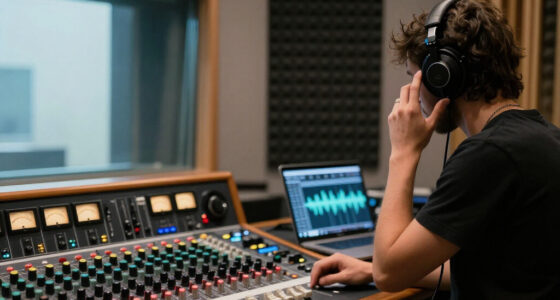
Audio can arrive before or after the image. Record a short local clip, clap clearly in frame, and compare the exact frame where your hands meet with the audio waveform spike.
Capture arrives late
Capture cards, webcams, frame conversion, and video processing can hold the picture behind real-time audio.
Sound arrives late
Microphone processing, interfaces, noise suppression, and software buffers can delay the audio path.
Timing changes under load
Encoding pressure, GPU load, drivers, and scene complexity can introduce inconsistent timing across sources.
Test. Measure. Adjust. Repeat.
Perfect sync is an iterative routine. Change only one timing control at a time so you always know which adjustment improved—or worsened—the result.
Make a cue
Clap sharply with both hands visible in the camera frame.
Record locally
Capture a short clip using the same scenes and sources as your stream.
Find direction
Decide whether the audio leads or trails the visual event.
Adjust timing
Start with a small 20–50ms correction on the affected source.
Verify again
Repeat the exact test until the clap and waveform align.
Example: if the sound trails the picture by roughly 40ms, compensate in the direction that brings the audio earlier relative to the video. Confirm the result in a recording because available controls and offset direction can vary by source and OBS setup.
Choose the right control
Use per-source filtering when you need targeted precision. Use a source or mixer sync offset when you need a quick timing shift for a webcam, microphone, or capture-device workflow.
Audio delay filter
Best when one microphone or desktop-audio source needs correction without affecting the rest of the mix.
- Right-click the affected audio source.
- Open Filters.
- Add the available delay or sync filter.
- Name it Sync Fix.
- Start near 50ms, record, and fine-tune.
Sync offset
Useful for aligning audio against delayed webcam or capture-card video without building a more complex filter chain.
- Open the source or advanced audio controls.
- Locate the sync-offset timing value.
- Apply a small millisecond adjustment.
- Record a new clap test.
- Repeat in smaller increments.
| Method | Best for | Typical range | Strength | Tradeoff |
|---|---|---|---|---|
| Audio delay filter | Microphones and desktop audio | 0–200ms | ✓ Precise, adjustable per source | ~ Requires repeated testing |
| Sync offset | Webcams and capture-card workflows | 0–150ms | ✓ Quick central adjustment | ~ Less flexible in complex routing |
Small changes feel big
The target is not a universal number—it is alignment. These ranges show why modest corrections should come before dramatic offsets.
Delay visibility by range
Protect your finished sync
Retest whenever your signal chain changes. A new camera mode, capture format, filter, driver, scene, or encoder can change latency even when every source name stays the same.
Monitor with headphones
Listen for speech, game effects, and visible impacts that no longer land together.
Retest after changes
New sources, filters, resolution settings, and scene changes can shift timing.
Reduce processing load
Update OBS and drivers, simplify heavy filters, and watch for encoder overload.
Check the hardware path
Inspect capture-device latency controls and test hardware encoding when appropriate.
OBS sync FAQ
Use these answers as a troubleshooting checklist when the first adjustment does not solve the problem.
How do I confirm a sync problem?
Clap in front of the camera, record a short clip, and compare the visual contact frame with the audio spike.
What is the best first adjustment?
Begin around 20–50ms on the affected source, then retest and refine in smaller increments.
Can OBS automate the correction?
Manual calibration remains the dependable baseline. Third-party tools may assist but still require setup and verification.
Why does sync keep changing?
Capture latency, buffering, filters, encoding load, drivers, and hardware changes can all alter source timing.
The professional routine
Measure the mismatch, adjust one source, record a new test, and repeat. Keep corrections modest, document the final values, and retest before every important broadcast.
How to Spot When Your Audio and Video Are Out of Sync
The first step is knowing there’s a problem. Your eyes and ears are your best tools. For example, if you’re streaming gameplay and your voice sounds like it’s lagging behind the action, that’s a sign.
Use simple tests—clap loudly in front of your camera, then listen for the clap. If the sound arrives a split second after or before the visual cue, you’ve got a sync issue.
Recording a short clip and reviewing it later can also help. Measure how many milliseconds the sound lags or leads the visual cue, giving you a clear target for adjustment.
As an affiliate, we earn on qualifying purchases.
Quick Fixes: How to Adjust Audio Delay in OBS
To correct sync issues, OBS offers straightforward tools. The most precise is the ‘Filters’ menu on your audio source. Here’s how:
- Right-click your microphone or audio source in OBS.
- Select ‘Filters.’
- Click the ‘+’ button and choose ‘Audio/Video Filter.’
- Name it (e.g., ‘Sync Fix’) and click OK.
- Adjust the delay in milliseconds — start with 50ms, then test again.
For example, if your voice sounds delayed by about 30 milliseconds, set the filter to -30ms to bring it forward. Keep testing until the sound aligns perfectly with your visuals.
USB webcam with adjustable audio sync
As an affiliate, we earn on qualifying purchases.
As an affiliate, we earn on qualifying purchases.
Using Sync Offset in OBS Settings for a Faster Fix
Another quick method is adjusting the ‘Sync Offset’ directly in the source settings. This is especially handy for webcam or capture card delays.
Right-click the source, go to ‘Properties,’ and find the ‘Sync Offset’ slider. Moving it left or right shifts the audio timing relative to video. Usually, a delay of 50ms to 100ms fixes most issues.
Example: If your camera feed is slightly behind, add a positive sync offset to match your voice or game audio.
Understanding the implications of these adjustments is crucial. For instance, a too-large delay might cause noticeable lag, making your stream appear unprofessional. Conversely, too little adjustment may leave noticeable desynchronization, confusing viewers. Finding that sweet spot ensures your audio complements your video seamlessly, enhancing viewer engagement and trust.
As an affiliate, we earn on qualifying purchases.
Compare Common Delay Settings to Find What Works Best
| Method | Best For | Typical Adjustment Range | Pros | Cons |
|---|---|---|---|---|
| Audio Delay Filter | Microphones, desktop audio | 0 to 200ms | Precise, adjustable per source | Requires testing and fine-tuning |
| Sync Offset in Properties | Webcams, capture cards | 0 to 150ms | Quick to set, no extra filters needed | Less precise for complex setups |
As an affiliate, we earn on qualifying purchases.
Test, Tweak, Repeat: Your Perfect Sync Routine
The key to perfect sync is testing. Record a quick clip of a clap or a hand wave and review it. Measure the delay—say, 40ms.
Adjust your filter or sync offset accordingly. Repeat until your visual cue lines up with your audio perfectly. Remember, even small tweaks make a big difference.
For example, if after adjustments your voice matches the lips, but the game sound is still off, tweak the capture card’s sync offset by a few milliseconds and test again.
When Manual Fixes Aren’t Enough — Consider Hardware & Software Tweaks
If you’re still battling delays, it’s time to look at your gear. Check your capture device’s settings—many have built-in latency controls.
Updating your graphics card drivers and OBS to the latest version can reduce encoding lag. Also, try switching to hardware encoding if you’re using software encoding, which can cut down delays.
For instance, switching from software x264 encoding to NVENC hardware encoding on your GPU often reduces delay from 100ms to under 50ms, making sync easier.
Understanding the tradeoffs involved in hardware acceleration is important. While hardware encoding can significantly reduce latency, it might sometimes slightly reduce video quality or increase GPU load, which could affect overall system performance. Balancing these factors ensures optimal streaming without overtaxing your hardware.
Smart Tips for Maintaining Sync During Your Stream
Once you get everything aligned, keep an eye on your stream. Use headphones to catch lag or out-of-sync audio in real-time. Adjust your filters on the fly if needed.
Don’t forget to test after any major change—like switching scenes or adding new sources. Small shifts can throw off your sync.
Example: If you suddenly notice your voice lagging behind your gameplay, pause, tweak your delay settings, and resume streaming confident that your viewers will never notice.
Frequently Asked Questions
How do I know if my audio and video are out of sync?
Use a visual cue like clapping in front of the camera while speaking. If the clap sound arrives noticeably before or after the visual cue, your audio and video are out of sync. Recording a short clip and reviewing it helps measure the exact delay in milliseconds.
How can I fix audio delay in OBS?
Open your audio source, go to ‘Filters,’ add an ‘Audio/Video Sync’ filter, and adjust the delay in milliseconds. Start with 50ms, then test again until it matches. You can also tweak the ‘Sync Offset’ in source properties for quicker fixes.
What’s the best way to test sync accuracy?
Record a quick clip of a clap or wave synchronized with a visual cue. Review the footage, measure the delay, and adjust your settings accordingly. Repeat until the audio and video match perfectly, with no noticeable lag.
Can I automate audio-video sync in OBS?
Currently, OBS requires manual adjustments. However, some third-party scripts and plugins can help automate the process, but they still need initial setup and testing for best results.
What causes persistent sync issues?
Hardware latency, capture device delays, encoding settings, and network lag all contribute. Upgrading hardware, updating drivers, and optimizing your settings can reduce these issues significantly.
Conclusion
Syncing audio and video in OBS isn’t a mystery — it’s a matter of measurement, adjustment, and testing. Keep your setup simple, test often, and tweak with patience.
Imagine your viewers watching a perfectly synchronized stream. That’s what good sync feels like — smooth, professional, and engaging. Your job now? Make that happen, every time.
Halloween Picks
halloween
As an affiliate, we earn on qualifying purchases.