
TL;DR

Get audio and creator gear delivered free — and shop member deals
- Fast, free delivery on millions of items
- Access to Prime Big Deal Days deals on October 6–7
- Prime Video, Amazon Music and more included
Syncing multiple cameras for a podcast without timecode is easier than ever. Use audio waveforms, visual cues, and smart software like Premiere or DaVinci Resolve to align footage quickly and accurately—saving costs and complexity.
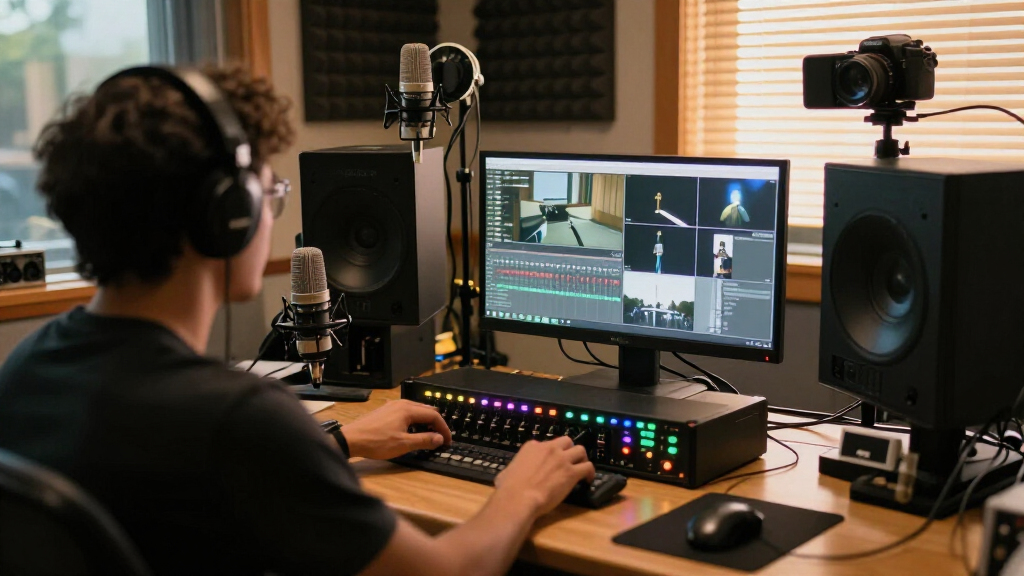
Imagine capturing a multi-camera podcast where all angles stay perfectly aligned—without fussing with expensive timecode hardware or complex setups. It’s possible—and it’s simpler than you think.
In this guide, you’ll discover practical, real-world ways to keep your footage in sync, no matter if you’re recording remotely or in-studio. No jargon, just straightforward tips for creators working on a budget but demanding quality.
Audio waveform matching is highly accurate, often within milliseconds, and works with most editing tools.
A simple visual or audio cue at the start of recording makes post-production sync straightforward.
Modern software like Premiere, Resolve, and PluralEyes can automatically align clips, saving hours.
Wireless and cloud-based tech now enable remote multi-camera shoots with minimal fuss.
Consistent camera settings and clear start cues are your best friends for reliable sync.
Why Syncing Multiple Cameras Without Timecode Still Works Great
Timecode has been the gold standard in professional video for decades, but it’s not the only game in town. For small studios, podcasters, and remote setups, relying on it can be a pain, both in cost and setup complexity.
Instead, using audio cues, software, and clever workflows can give you accuracy within milliseconds—more than enough for most podcasts. Think of it like using a clap or a sharp sound at the start to turn your camera feeds into perfectly aligned puzzle pieces.
For example, in a recent remote recording, a podcaster clapped loudly at the start. Later, software automatically lined up the audio waveforms from each camera feed, saving hours of manual editing.
Why does this matter? Because it simplifies your workflow, reduces costs, and minimizes technical hurdles—especially important for creators without access to professional timecode hardware. The tradeoff is that this method relies heavily on clear cues and good audio quality, so planning your sync cues becomes crucial for consistent results.
As an affiliate, we earn on qualifying purchases.
How to Sync Multi-Camera Footage Using a Simple Clap or Visual Cue
- Start your recording with a loud, clear clap or a visual flash—like turning on a flashlight or a bright light. This creates a distinct marker that’s easy for software to detect later.
- Make sure all cameras are recording before you do the cue. Having all devices active ensures the cue is captured across all footage, which is essential for accurate synchronization.
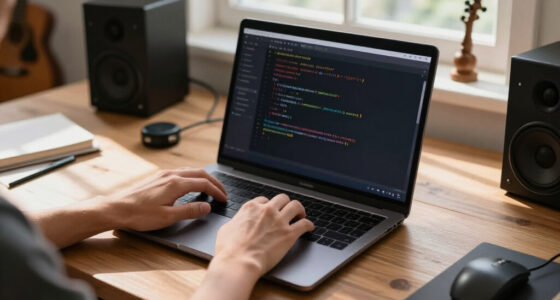
- In post, use editing software to match the audio waveforms or visual spike to align all clips. This step is vital because it transforms a simple cue into a precise synchronization point, saving you hours of manual adjustment.
- Check synchronization by playing back a few seconds of the synced footage. Confirm that lips, actions, and audio match visually and aurally, and make fine adjustments if needed.
For example, during a recent studio session, a creator used a hand clap at the start. The software then automatically detected the sharp spike in the audio waveform from each camera, aligning everything perfectly. This method works because the clarity of the cue ensures reliable detection, but it’s important to practice and ensure your cues are loud and distinct enough for software to recognize consistently.
audio waveform synchronization tool
As an affiliate, we earn on qualifying purchases.
As an affiliate, we earn on qualifying purchases.
Best Tools to Automatically Sync Multi-Camera Video and Audio
| Tool | Type | Strengths |
|---|---|---|
| Adobe Premiere Pro | Editing Software | Auto Sync by Audio feature effectively matches clips based on waveform, enabling quick and reliable synchronization—especially useful when working with multiple angles or remote recordings. It’s integrated into the editing process, reducing the need for manual adjustments and speeding up post-production. |
| Final Cut Pro | Editing Software | Multicam sync automatically aligns multiple angles using sound, which is invaluable for fast-paced edits. Its ability to handle multiple clips simultaneously means less time spent manually lining up footage, and its user-friendly interface helps streamline the workflow. |
| PluralEyes | Standalone App | Fast, reliable, handles remote and wireless feeds with ease. It’s especially useful when dealing with multiple audio sources or complex setups, as it can analyze and synchronize large batches of footage quickly. The tradeoff is that it’s a separate step in your workflow, but the time saved often outweighs this. |
| DaVinci Resolve | Editing Software | Free, powerful, with audio waveform sync capabilities. Its deep feature set allows for detailed color grading and editing, making it a versatile choice for creators who want an all-in-one solution. The audio sync feature is robust, but it’s important to ensure your audio quality is good enough for precise detection. |
For example, a creator used DaVinci Resolve to sync a remote interview shot with three cameras. The software automatically detected matching audio peaks, saving hours of manual work. This automation not only speeds up the process but also reduces errors caused by manual alignment, leading to a more polished final product.
wireless multi-camera recording system
As an affiliate, we earn on qualifying purchases.
As an affiliate, we earn on qualifying purchases.
How Emerging Tech Makes Syncing Easier Than Ever
New tools harness AI and wireless tech to make multi-camera syncs seamless. Programs like NDI (Network Device Interface) allow real-time feeds that can be synchronized in post-production without fuss. These innovations reduce the need for physical cables and complex setups, making remote multi-camera recording more accessible and reliable.
Wireless HDMI transmitters send camera signals straight to your capture device, reducing cable clutter and setup time. While this offers flexibility, it’s important to understand potential latency or interference, which can introduce slight delays. That’s why testing your setup beforehand is crucial—small delays can compound, making synchronization tricky during live recording.
Cloud-based platforms like Descript or Frame.io enable remote teams to record, upload, and synchronize multi-camera feeds from different locations. These tools analyze audio and video to automatically align clips, dramatically reducing post-production time. The tradeoff is that they require a stable internet connection and may involve subscription costs, but for remote workflows, they significantly streamline the process and expand creative possibilities.
Imagine doing a podcast from two different cities—each person records locally, then a cloud platform aligns the clips perfectly, ensuring your content remains cohesive despite geographical separation. This technology opens doors for more flexible production schedules and collaborations, but it also depends on reliable internet and compatible hardware.
video editing software for multi-camera sync
As an affiliate, we earn on qualifying purchases.
As an affiliate, we earn on qualifying purchases.
Pro Tips for Perfect Multi-Camera Sync Every Time
- Always record a clear sync cue—clap, snap, or bright flash—at the start of each session. Consistent cues create a reliable reference point, which is essential when working with multiple cameras or remote feeds. The more distinct and loud your cue, the easier it is for software to detect and align your footage accurately.
- Keep your camera settings consistent—frame rate, resolution, and audio levels—to avoid headaches later. Variations can cause slight timing differences that complicate synchronization, especially when working with different devices or formats. Consistency ensures that your footage plays back smoothly and aligns correctly during editing.
- Use the same microphone or audio source for all cameras whenever possible. This reduces the complexity of syncing multiple audio tracks later, and ensures uniform sound quality across your footage. If different microphones are unavoidable, ensure they are all active and record at similar levels to facilitate easier alignment.
- In post, verify sync by checking the audio waveforms or visual spikes. Don’t rely solely on the automatic sync—visual confirmation helps catch any discrepancies and allows for quick fine-tuning, resulting in a more polished final product.
- Save your project files often—software can sometimes glitch, and re-syncing from scratch is a pain. Regular saves ensure you don’t lose your progress, especially after making manual adjustments or troubleshooting sync issues.
For instance, a podcaster found that doing a quick clap at the beginning of each session cut their editing time in half, making multi-camera editing smoother and more predictable. Incorporating a consistent cue and verifying sync during editing not only saves time but also enhances the overall quality of your final production.
Frequently Asked Questions
Can I sync footage from different cameras without any software?
Yes. The simplest method is to record a loud clap or visual cue at the start, then manually align the clips by matching the audio spikes or visual flashes in your editing software.What if my audio is bad or noisy? Will sync still work?
Audio quality helps but isn’t critical. Software can often detect the sharpest peaks even in noisy recordings, but clean audio makes automatic sync more reliable and easier to verify.Are wireless options reliable for live multi-camera recording?
Wireless systems like NDI or HDMI transmitters are great, but they can have latency or interference. For live editing, test your setup beforehand to ensure sync remains tight—buffering or delays can cause issues.How do I handle syncing when using different microphones or audio sources?
Use a common sync cue—like a clap—and ensure all audio sources are recorded at the same time. Later, match the waveforms based on the cue, even if the microphones differ in quality.Conclusion
Syncing multiple cameras without timecode is no longer a hurdle—it’s a matter of using the right cues, the right tools, and smart workflows.
Embrace these techniques, and your multi-camera podcast will look polished, professional, and perfectly timed—no expensive hardware required. The future of multi-camera content is flexible, affordable, and within your reach.
Fall Picks
fall essentials
As an affiliate, we earn on qualifying purchases.