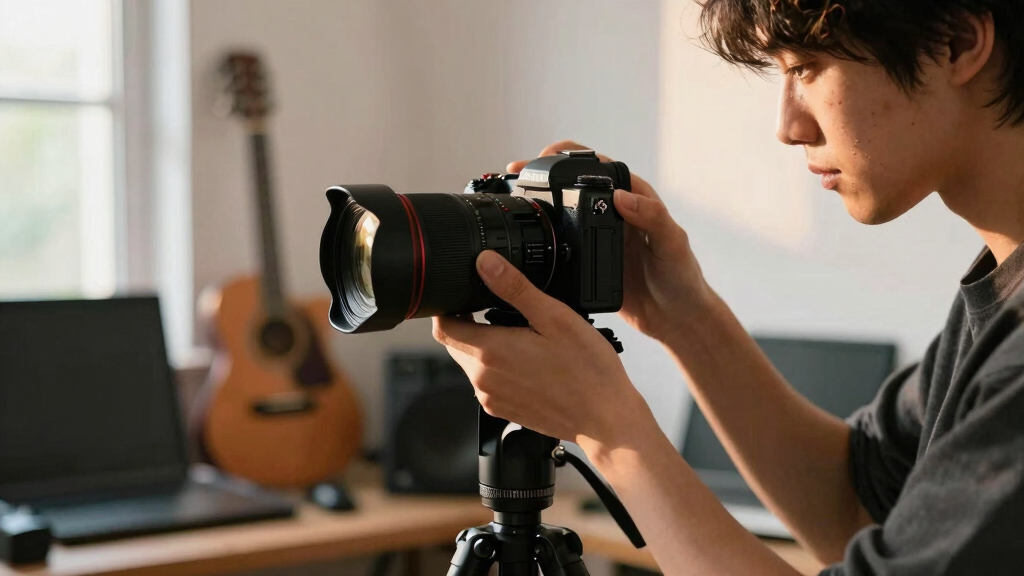

Choosing the best mirrorless camera for live streaming involves balancing image quality, ease of use, and streaming features. The Sony Alpha 7 IV stands out as the overall top pick thanks to its full-frame sensor and versatile autofocus. The Sony Alpha a6400 offers great value for those on a tighter budget, while the Sony Alpha 7 V provides premium performance for professional streamers. However, tradeoffs often include higher costs or complexity in setup. Keep reading to see how these options compare and find the best fit for your streaming needs.

Get audio and creator gear delivered free with Prime
- Fast, free delivery on millions of items
- Prime Video, Amazon Music and more included
- Member-only deals all year
Complete the kit


Key Takeaways
- Full-frame sensors like the Sony Alpha 7 IV deliver superior image quality, especially in low light, making them ideal for professional streamers.
- Budget-friendly options like the Sony Alpha a6400 still provide excellent streaming quality with simpler setups, perfect for beginners.
- Features such as autofocus, flip screens, and clean HDMI output are critical for a seamless streaming experience.
- Higher-priced models often include advanced stabilization and faster autofocus, but may offer diminishing returns for casual streamers.
- Compatibility with streaming software and ease of setup varies; some cameras require additional hardware or adapters.
| Sony Alpha 7 IV Full-Frame Mirrorless Camera with 28-70mm Zoom Lens Kit |  | Best Overall for Professional-Grade Streaming | Sensor: 33MP Exmor R CMOS | Lens: 28-70mm F/3.5-5.6 OSS II | Video Recording: 4K up to 60p, 10-bit 4:2:2 | VIEW LATEST PRICE | See Our Full Breakdown |
| Canon EOS R6 Mark II Mirrorless Camera RF24-105mm F4-7.1 IS STM Lens Kit |  | Best for Versatile Performance in Both Photos and Videos | Sensor: 24.2 Megapixel full-frame CMOS | Processor: DIGIC X | Video Recording: 6K to 4K60 | VIEW LATEST PRICE | See Our Full Breakdown |
| Sony Alpha a6400 Mirrorless Camera with 16-50mm Lens |  | Best Compact for Vlogging and Entry-Level Streaming | Sensor: 24.2 MP APS-C Exmor CMOS | Lens: 16-50mm E-mount | Video: 4K recording | VIEW LATEST PRICE | See Our Full Breakdown |
| Sony Alpha 7 V Full-Frame Mirrorless Camera |  | Best for Cutting-Edge Professional Streaming | Sensor: 33MP Partially-Stacked Exmor RS CMOS | Processor: BIONZ XR2 | Video Recording: 4K120p | VIEW LATEST PRICE | See Our Full Breakdown |
| Canon EOS R100 Mirrorless Camera RF-S18-45mm F4.5-6.3 IS STM Lens Kit |  | Best for Beginners and Casual Content Creators | Sensor: 24.1 Megapixel APS-C CMOS | Lens: RF-S 18-45mm F/4.5-6.3 IS STM | Video: 4K at 24 fps, Full HD at 60 fps | VIEW LATEST PRICE | See Our Full Breakdown |
| Canon EOS R50 Mirrorless Camera Kit with 18-45mm Lens, 4K Video, Dual Pixel AF II, Vari-Angle Touchscreen, Shoulder Bag, and 64GB Card |  | Best for Beginners and Vloggers | Sensor Type: CMOS | Sensor Resolution: 24.2 MP | Image Stabilization: Optical | VIEW LATEST PRICE | See Our Full Breakdown |
| Canon EOS R50 V Mirrorless Camera with RF-S 14-30mm F4-6.3 IS STM PZ Lens, 24.2 MP APS-C Sensor, 4K Video, Vlogging Kit, Black |  | Best for Content Creators Who Want Versatility | Sensor: APS-C CMOS | Megapixels: 24.2 MP | Video Recording: 4K up to 59.94p | VIEW LATEST PRICE | See Our Full Breakdown |
| Sony Alpha ZV-E10 APS-C Mirrorless Vlog Camera Kit |  | Best for Vloggers Who Need Easy Live Streaming | Sensor: 24.2MP APS-C Exmor CMOS | Video Recording: UHD 4K30p | Autofocus: 425-Point AF | VIEW LATEST PRICE | See Our Full Breakdown |
| mirrorless cameras for live streaming | Sensor | Lens | Video Recording | Autofocus |
|---|---|---|---|---|
| Sony Alpha 7 IV Full-Frame Mir | 33MP Exmor R CMOS | 28-70mm F/3.5-5.6 OSS II | 4K up to 60p, 10-bit 4:2:2 | Real-time Eye-AF for humans, animals, birds |
| Canon EOS R6 Mark II Mirrorles | 24.2 Megapixel full-frame CMOS | — | 6K to 4K60 | Dual Pixel CMOS AF II with 1053 zones |
| Sony Alpha a6400 Mirrorless Ca | 24.2 MP APS-C Exmor CMOS | 16-50mm E-mount | — | Real-time Eye AF and Object Tracking |
| Sony Alpha 7 V Full-Frame Mirr | 33MP Partially-Stacked Exmor RS CMOS | — | 4K120p | — |
| Canon EOS R100 Mirrorless Came | 24.1 Megapixel APS-C CMOS | RF-S 18-45mm F/4.5-6.3 IS STM | — | Dual Pixel CMOS AF with face and eye detection |
| Canon EOS R50 Mirrorless Camer | — | — | — | — |
| Canon EOS R50 V Mirrorless Cam | APS-C CMOS | RF-S 14-30mm F4-6.3 IS STM | 4K up to 59.94p | — |
| Sony Alpha ZV-E10 APS-C Mirror | 24.2MP APS-C Exmor CMOS | 16-50mm OSS II Kit Lens | UHD 4K30p | 425-Point AF |
More Details on Our Top Picks
Sony Alpha 7 IV Full-Frame Mirrorless Camera with 28-70mm Zoom Lens Kit
The Sony Alpha 7 IV stands out for its combination of a high-resolution 33MP sensor and advanced video features, making it ideal for streamers who demand top-quality visuals. Unlike the Sony Alpha a6400, which offers portability but less resolution, the A7 IV provides detailed images suitable for large screens and professional branding. Its 4K 60p recording with 10-bit 4:2:2 ensures color grading flexibility, crucial for high-end productions. However, its complex menu system and premium price tag may challenge newcomers or casual streamers. This camera is best suited for content creators who prioritize image quality and are comfortable navigating advanced settings.
Pros:- High-resolution 33MP sensor for detailed, crisp images
- Excellent 4K 60p video with 10-bit 4:2:2 recording
- Advanced real-time Eye-AF for humans, animals, and birds
- Vari-Angle LCD for flexible framing
Cons:- Premium price may be prohibitive for hobbyists
- Complex menu system can be intimidating for new users
Best for: Professional streamers and serious content creators needing high-resolution, versatile video, and advanced autofocus.
Not ideal for: Beginners or casual streamers who prefer simpler interfaces and a lower price point.
- Sensor:33MP Exmor R CMOS
- Lens:28-70mm F/3.5-5.6 OSS II
- Video Recording:4K up to 60p, 10-bit 4:2:2
- Autofocus:Real-time Eye-AF for humans, animals, birds
- Display:Vari-Angle LCD
Our verdict“This camera is a top choice for experienced streamers seeking cinematic-quality footage and professional features.”
Canon EOS R6 Mark II Mirrorless Camera RF24-105mm F4-7.1 IS STM Lens Kit
The Canon EOS R6 Mark II excels with a 24.2MP sensor, offering fast autofocus and in-body stabilization, making it versatile for both photography and streaming. Compared with the Sony Alpha 7 V, which provides higher resolution and slightly more advanced video specs, the R6 II’s standout is its balanced performance and user-friendly interface, especially for those new to live streaming. Its in-body stabilization and high-speed continuous shooting are beneficial for dynamic content, yet the variable lens aperture (F/4-7.1) may limit low-light performance. This model makes the most sense for streamers who want reliable all-around performance without the complexity of higher-end models.
Pros:- Excellent autofocus with subject detection and tracking
- In-body stabilization up to 8 stops for smooth footage
- High-speed 6K to 4K recording capabilities
- Versatile RF 24-105mm lens included
Cons:- Variable aperture limits low-light shooting
- Higher price compared to entry-level options
Best for: Intermediate content creators and streamers seeking reliable image quality with easier handling.
Not ideal for: High-end professionals requiring maximum resolution or advanced cinematic features.
- Sensor:24.2 Megapixel full-frame CMOS
- Processor:DIGIC X
- Video Recording:6K to 4K60
- Autofocus:Dual Pixel CMOS AF II with 1053 zones
- Stabilization:In-body image stabilization up to 8 stops
Our verdict“This camera offers a strong balance of features for those who want solid performance without overwhelming complexity.”
Sony Alpha a6400 Mirrorless Camera with 16-50mm Lens
The Sony Alpha a6400 offers a compact, lightweight solution with a 24.2 MP APS-C sensor and real-time Eye AF, making it a practical choice for streamers on the go. Though it lacks in-body stabilization and has a smaller sensor compared to full-frame models, its fast autofocus and tiltable LCD make it ideal for solo creators who record themselves. Compared to the Sony Alpha 7 IV, it’s less suited for high-end production but shines in portability and ease of use. Its limited battery life and complex menu system are noteworthy drawbacks, especially for extended streaming sessions.
Pros:- High-quality 24.2 MP APS-C sensor
- Fast, accurate autofocus with Eye AF
- Tiltable LCD screen ideal for vlogging
- Lightweight and portable design
Cons:- No in-body stabilization, risking shaky footage
- Limited battery life for long sessions
- Complex menu system for new users
Best for: Vloggers and beginner streamers prioritizing portability and quick setup.
Not ideal for: Professionals needing maximum image quality or advanced cinematic features.
- Sensor:24.2 MP APS-C Exmor CMOS
- Lens:16-50mm E-mount
- Video:4K recording
- Autofocus:Real-time Eye AF and Object Tracking
- Display:Tiltable LCD
Our verdict“This camera is perfect for content creators seeking a compact, reliable device for casual or mobile live streaming.”
Sony Alpha 7 V Full-Frame Mirrorless Camera
The Sony Alpha 7 V pushes the envelope with a 33MP sensor, AI autofocus, and 4K120p video, making it a top-tier choice for streamers seeking professional-grade results. Its blackout-free burst shooting at 30fps and sophisticated autofocus tracking surpass many competitors, including the Canon EOS R6 Mark II. Still, its complexity and weight can be barriers for casual users or those new to streaming technology. The camera’s premium price reflects its advanced capabilities, which are best leveraged by experienced creators who need high frame rates and dynamic autofocus.
Pros:- High-resolution 33MP sensor with excellent dynamic range
- Blackout-free 30fps burst with AF/AE tracking
- AI-based autofocus with real-time recognition
- In-body stabilization up to 7.5 stops
Cons:- Heavy and bulky design may limit portability
- High cost may be prohibitive for hobbyists
Best for: High-end streamers and professionals demanding top-tier autofocus, high frame rates, and cinematic quality.
Not ideal for: Beginners or casual streamers who prefer a simpler, more affordable setup.
- Sensor:33MP Partially-Stacked Exmor RS CMOS
- Processor:BIONZ XR2
- Video Recording:4K120p
- ISO Range:ISO 100-51200 (expandable to 50-204800 for stills)
- Burst Rate:30 fps blackout-free
Our verdict“This camera is best suited for experienced content creators who prioritize speed, autofocus, and cinematic quality over portability.”
Canon EOS R100 Mirrorless Camera RF-S18-45mm F4.5-6.3 IS STM Lens Kit
The Canon EOS R100 emphasizes simplicity and portability with a 24.1MP APS-C sensor and effective autofocus, making it suitable for newcomers. Unlike the Canon EOS R6 Mark II, which offers a broader feature set, the R100 focuses on ease of use and affordability, perfect for those just starting out in live streaming. Its compact design and decent 4K capabilities make it accessible, but limited lens options and narrower low-light performance could hinder more ambitious projects. This pick makes the most sense for beginners or casual streamers who want a straightforward setup without sacrificing quality.
Pros:- Lightweight and portable design
- High-quality 24.1MP APS-C sensor
- Effective autofocus with face and eye detection
- Decent 4K video at 24 fps
Cons:- Limited lens options compared to more advanced systems
- Aperture range less ideal in low-light conditions
- No built-in flash
Best for: New streamers and content creators looking for an easy-to-use, lightweight camera.
Not ideal for: Advanced users or professionals needing high-end features and flexible lens options.
- Sensor:24.1 Megapixel APS-C CMOS
- Lens:RF-S 18-45mm F/4.5-6.3 IS STM
- Video:4K at 24 fps, Full HD at 60 fps
- Autofocus:Dual Pixel CMOS AF with face and eye detection
- Connectivity:Wi-Fi and Bluetooth
Our verdict“This camera offers a straightforward and portable solution for beginners stepping into live streaming.”
Canon EOS R50 Mirrorless Camera Kit with 18-45mm Lens, 4K Video, Dual Pixel AF II, Vari-Angle Touchscreen, Shoulder Bag, and 64GB Card
The Canon EOS R50 excels as a lightweight, straightforward option perfect for those new to live streaming and content creation. Its 24.2 MP CMOS sensor and Dual Pixel AF II deliver reliable autofocus and crisp 4K video, making it comparable to the Sony ZV-E10 but with a more familiar interface for beginners. The included 18-45mm lens adds versatility, yet its lack of in-body stabilization means shaky footage in dynamic environments. Its vari-angle touchscreen makes framing easy from any angle, but limited outdoor durability and minimal connectivity restrict its use in more demanding setups. For newcomers seeking simplicity and portability, this model offers essential features without overwhelming complexity.
Pros:- Lightweight and very user-friendly, ideal for newcomers
- Includes versatile 18-45mm lens suitable for multiple styles
- Features 4K video with Dual Pixel autofocus for reliable focus
Cons:- No in-body image stabilization, risking shaky footage outdoors
- Limited connectivity options for professional streaming setups
Best for: Beginners or vloggers who prioritize ease of use and portability for indoor and casual outdoor streaming
Not ideal for: Advanced streamers or outdoor content creators needing water resistance or in-body stabilization
- Sensor Type:CMOS
- Sensor Resolution:24.2 MP
- Image Stabilization:Optical
- Video Resolution:2160p (4K)
- Weight:2 Pounds
- Autofocus Points:99
Our verdict“Best suited for beginners seeking an easy, compact option for indoor streaming and vlogging.”
Canon EOS R50 V Mirrorless Camera with RF-S 14-30mm F4-6.3 IS STM PZ Lens, 24.2 MP APS-C Sensor, 4K Video, Vlogging Kit, Black
The Canon EOS R50 V makes a compelling case for creators who need a flexible, feature-rich camera for both live streaming and high-quality video production. Its 24.2 MP APS-C sensor offers sharp detail, similar to the Sony ZV-E10, but with more advanced video features, including 4K recording up to 59.94p. The included RF-S 14-30mm lens provides a wide-angle zoom ideal for vlogging and on-the-fly shooting, although the smaller APS-C sensor limits low-light performance compared to full-frame options like the Sony Alpha 7 IV. Its redesigned interface and dedicated vlogging features make it accessible, but additional accessories might be necessary for professional-grade streaming. This model suits those who want a balance of ease and expandability.
Pros:- High-resolution 24.2 MP APS-C sensor for detailed images
- Powerful 4K video with up to 59.94p for smooth motion
- Includes a reliable wide-angle zoom lens for versatile shooting
Cons:- Smaller APS-C sensor compared to full-frame models, limiting low-light performance
- Additional accessories might be needed for advanced streaming setups
Best for: Content creators who want a versatile, easy-to-use camera with a high-quality zoom lens for live streaming and video
Not ideal for: Professional streamers needing full-frame quality or those who require extensive external connectivity without extra gear
- Sensor:APS-C CMOS
- Megapixels:24.2 MP
- Video Recording:4K up to 59.94p
- Lens:RF-S 14-30mm F4-6.3 IS STM
- Processor:DIGIC X
- Features:Vertical Video tripod mount, Front Record button
Our verdict“Best for creators seeking a flexible, beginner-friendly camera with great video capabilities and a zoom lens.”
Sony Alpha ZV-E10 APS-C Mirrorless Vlog Camera Kit
The Sony Alpha ZV-E10 stands out for its user-friendly design tailored to vloggers and live streamers who prioritize quick focus shifts and straightforward connectivity. Its 24.2MP APS-C sensor delivers detailed imagery comparable to the Canon R50 V, but with the added benefit of UHD 4K30p recording that oversamples for clarity. The flip-out touchscreen simplifies framing from any angle, similar to the Canon EOS R50 but with Sony’s renowned autofocus system that offers 425 focus points for rapid subject transitions. While its battery life and stabilization features are less clear, the ZV-E10 excels in live streaming via USB, making it highly accessible for solo creators. It is an ideal pick for those who want seamless live streaming with minimal fuss.
Pros:- High-quality 24.2MP sensor with oversampled UHD 4K for sharp footage
- Flip-out touchscreen for easy framing and vlogging
- Excellent autofocus with 425 points for fast subject tracking
Cons:- Battery life details are limited, potentially limiting long streaming sessions
- Lacks built-in in-body stabilization, which could affect handheld footage
Best for: Vloggers and solo content creators who need a quick, reliable setup for live streaming via USB
Not ideal for: Professionals requiring extensive external controls or those with demanding low-light needs, due to limited info on stabilization
- Sensor:24.2MP APS-C Exmor CMOS
- Video Recording:UHD 4K30p
- Autofocus:425-Point AF
- Screen:3.0 Side Flip-Out Touchscreen
- Connectivity:USB live streaming
- Lens:16-50mm OSS II Kit Lens
Our verdict“Best for solo creators who want a compact, plug-and-play camera for live streaming with minimal setup fuss.”
How We Picked
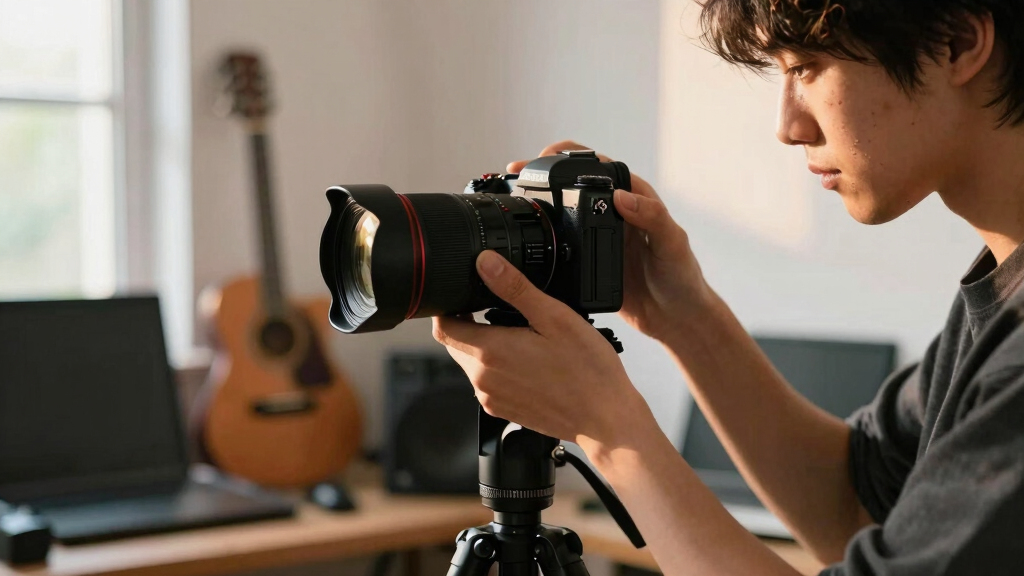
The cameras in this roundup were selected based on their suitability for live streaming, considering factors like video quality, autofocus performance, ease of connection to streaming platforms, and build quality. We prioritized models with clean HDMI output, reliable autofocus, and user-friendly interfaces. Cost was also a key consideration, ensuring options for different budgets. The ranking reflects a balance between professional features and accessibility for streamers at various experience levels.Factors to Consider When Choosing Best Mirrorless Cameras For Live Streaming
When choosing a mirrorless camera for live streaming, it’s essential to consider several key factors that influence your setup and overall experience. Each feature impacts how smoothly your streams run and how professional they look. Understanding these aspects will help you avoid common pitfalls and select a camera that aligns with your specific needs and budget.Video Quality and Sensor Size
Higher resolution sensors, especially full-frame sensors, typically produce sharper, more detailed images and perform better in low light conditions. While full-frame models like the Sony Alpha 7 IV offer superior quality, APS-C sensors found in models like the Sony Alpha a6400 can deliver impressive results at a lower cost. Consider your environment and whether the extra investment in sensor size will translate into noticeable improvements for your streams.
Autofocus and Stability Features
Fast and reliable autofocus, especially eye-tracking, ensures your face stays sharp during live sessions. Many cameras now include advanced face and eye detection that work well even in challenging lighting. Additionally, in-body stabilization can reduce camera shake, leading to smoother footage. Be wary of models lacking good autofocus or stabilization, as this can cause distracting focus shifts or shaky video.
Connectivity and Output Options
Clean HDMI output is essential for professional-quality streams without overlays. Check whether the camera can connect via HDMI or USB to your streaming device or computer easily. Some models also support Wi-Fi for wireless streaming, but wired connections tend to be more stable. Compatibility with streaming software like OBS or Streamlabs is another factor, often influenced by the camera’s HDMI capabilities and driver support.
Ease of Use and Setup
Intuitive menus, flip screens, and straightforward settings reduce setup time and frustration. For beginners, cameras with articulating screens help framing shots, especially when recording oneself. More advanced models might require additional hardware or software configurations, so consider your comfort level with technical setups. Simplicity can be a significant advantage for those new to live streaming.
Cost and Value
While premium models offer cutting-edge features, they come at a higher price. Mid-range options often provide the best balance between cost and performance, especially if you’re just starting or streaming casually. Remember that investing in good lenses, microphones, and lighting can sometimes matter more than the camera itself, so budget accordingly and focus on overall quality.
Frequently Asked Questions
Do I need a special camera for streaming, or can I use a regular mirrorless camera?
You can use a regular mirrorless camera for streaming if it has clean HDMI output and decent autofocus. Many cameras designed for photography also work well for live streaming, especially models with video-friendly features like flip screens and reliable autofocus. However, cameras specifically aimed at videographers or streamers tend to offer more streamlined setups and fewer compatibility issues, making them easier to integrate into your streaming setup.
Is it worth investing in a full-frame mirrorless camera for streaming?
Investing in a full-frame mirrorless camera generally pays off if you prioritize the highest image quality and better low-light performance. These cameras tend to produce more professional-looking streams, especially in varied lighting conditions. However, they are also more expensive and often larger, which can affect portability and setup. For casual or beginner streamers, APS-C models might offer more practical value without sacrificing too much quality.
Can I use a mirrorless camera without additional equipment when live streaming?
Most mirrorless cameras require some extra gear, such as a capture card or a compatible USB streaming device, to connect to your computer. Cameras with clean HDMI output can be plugged directly into a capture card, which then feeds the video into streaming software. Some newer models support direct USB streaming, simplifying the setup. Be prepared to spend a bit on accessories to get the best quality and stability.
How important is autofocus for live streaming cameras?
Autofocus is critical for live streaming, especially if you move around or share the camera with others. Features like eye-tracking and face detection help keep your image sharp without manual adjustments. Reliable autofocus reduces distractions caused by out-of-focus shots and ensures a professional appearance. Investing in a camera with strong autofocus capabilities can significantly improve your streaming quality.
Should I prioritize higher resolution or frame rates for streaming?
Higher resolutions, like 4K, provide sharper images and future-proof your setup, but they demand more processing power and higher bandwidth. Frame rates of 30 fps are standard for smooth video, while 60 fps can offer more fluid motion, especially for fast-paced content. Consider your streaming platform’s requirements and your hardware capabilities; often, 1080p at 60 fps offers a good balance of quality and performance for most streamers.
Conclusion
For those new to live streaming or on a budget, the Sony Alpha a6400 makes an excellent starting point with its balance of features and affordability. Content creators seeking the highest image quality and advanced autofocus will find the Sony Alpha 7 V to be a worthwhile investment. Streamers aiming for professional-grade output should consider the Sony Alpha 7 IV, while beginners who want easy setup should focus on models with flip screens and straightforward connectivity. If portability and simplicity are key, the Sony Alpha ZV-E10 offers a compact, user-friendly option. Your choice should align with your experience level, budget, and streaming goals.Halloween Picks
halloween
As an affiliate, we earn on qualifying purchases.