TL;DR

Get audio and creator gear delivered free with Prime
- Fast, free delivery on millions of items
- Prime Video, Amazon Music and more included
- Member-only deals all year
Power supply noise can ruin your sound, but isolated outputs cut through the chaos. They prevent ground loops and reduce hum, buzz, and hiss. Upgrading to a quality isolated power supply makes your setup cleaner and more dependable.
Ever crank your synth or pedalboard and get a loud hum or buzzing that doesn’t go away? That’s power supply noise sneaking into your signal chain. It’s a sneaky problem, but one with a straightforward fix. If you’re tired of hearing that unwanted buzz, understanding how isolated outputs can clear the air might change your entire setup.
This guide walks through what power supply noise really is, why it happens, and how isolated outputs can cut through the chaos. Expect real-world tips, practical advice, and clear comparisons to help you make smarter gear choices. Your sound deserves to be crisp and clean, free from electrical gremlins.
Using an isolated power supply can reduce noise by up to 90%, dramatically improving your sound clarity.
Ground loops are a primary cause of hum; isolation breaks these loops, stopping noise transfer.
Choose a high-quality power supply with proper filtering and independent outputs for best results.
Modern supplies offer features like adjustable voltage and digital monitoring—use them for tailored setup.
Investing in good power can save hours troubleshooting and make your recordings and performances sound more professional.
What Exactly Is Power Supply Noise and Why Should You Care?
Power supply noise is that annoying hum, buzz, or hiss creeping into your audio signal because of electrical interference. It’s like static on a radio—distracting and sometimes unbearable. In synths and pedals, this noise often emerges when the power source isn’t clean enough.
Imagine playing a vintage synth, and every note is accompanied by a faint, metallic buzz. That’s often the result of poor power filtering or shared power sources that introduce fluctuations. When your pedals draw power from a single daisy chain, the electrical interference can transfer from one device to another, amplifying that unwanted noise.
Understanding noise sources helps you target the right fix. Common culprits include cheap power supplies, ground loops, and sharing power between multiple devices. Recognizing these issues is step one to cleaner sound.
isolated power supply for guitar pedals
As an affiliate, we earn on qualifying purchases.
As an affiliate, we earn on qualifying purchases.
How Shared Power and Ground Loops Turn Your Sound into a Noise Factory
Shared power supplies and ground loops are the classic villains behind that pesky hum. When multiple pedals or synth modules share a power source, tiny differences in grounding can create loops that pick up interference. It’s like tiny antennas capturing radio static.
For example, a guitarist using a daisy chain for five pedals might notice a constant 60Hz hum. That’s often a ground loop in action. The same applies to synth rigs—when multiple power outlets are interconnected improperly, noise gets amplified.
To fix this, isolate your power and make sure each device has its own clean, independent connection. That’s where isolated outputs come in, breaking the loop and stopping the noise from traveling.
Think of it as giving each pedal its own quiet, noise-free highway—no more cross-traffic causing chaos.
noise reducing power supply for synths
As an affiliate, we earn on qualifying purchases.
As an affiliate, we earn on qualifying purchases.
What Are Isolated Outputs and How Do They Clean Up Your Sound?
Isolated outputs are power outputs that are electrically separated from each other, preventing the transfer of noise. They use transformers or electronic isolation to give each device its own clean power stream.
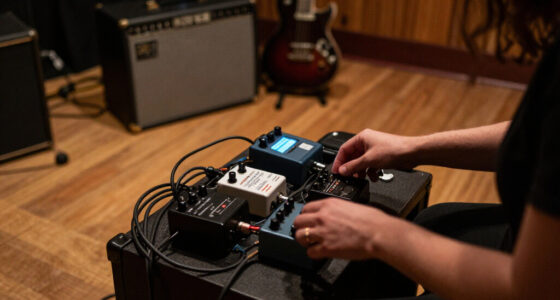
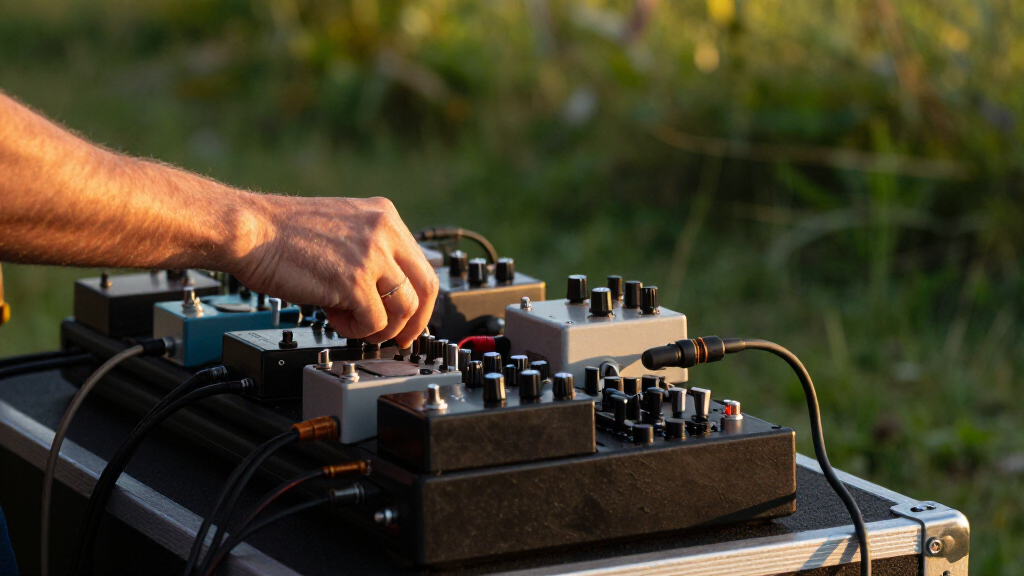
Picture a pedalboard with five pedals. Without isolation, all pedals share a common ground, making noise transfer easy. An isolated power supply acts like five separate quiet lanes, keeping interference out.
For example, a musician switching from a cheap power strip to a dedicated isolated power supply might suddenly notice their guitar hum drops by 80%. That’s the power supply doing its job—cutting out ground loops and electrical interference.
Isolation isn’t just for silence—it’s about reliability, clarity, and peace of mind. It ensures every sound is as pure as possible, free from electrical gremlins.
audio power supply with independent outputs
As an affiliate, we earn on qualifying purchases.
As an affiliate, we earn on qualifying purchases.
The Different Types of Isolated Power Supplies: Which One Fits Your Setup?
Not all isolated power supplies are created equal. The two main types are linear and switching supplies, each with their pros and cons.
Linear supplies are like old-school hi-fi gear—big, heavy, but incredibly quiet. They use transformers and regulators to produce very low noise, making them ideal for recording or critical listening. But they can be bulky and less portable.
Switching supplies with isolation are smaller, lighter, and more efficient. Thanks to advanced filters and electronic isolation, they produce minimal residual noise—often good enough even for high-end recording. They’re perfect for gigging musicians who need portability without sacrificing much sound quality.
Here’s a quick comparison:
| Feature | Linear Power Supplies | Switching Power Supplies (with isolation) |
|---|---|---|
| Size & Weight | Large & heavy | Compact & lightweight |
| Noise Level | Very low, studio-grade | Very low, studio or stage quality |
| Cost | Higher | More affordable |
| Ideal For | Recording, critical listening | Gigs, studio, live setups |
Choosing depends on your needs, budget, and space constraints.
, “sectionType”: “comparison-tableAs an affiliate, we earn on qualifying purchases.
Latest Tech: How Modern Isolated Power Supplies Keep Noise Out
Recent advances have made noise reduction more effective and affordable. Modern power supplies incorporate sophisticated EMI filters, low-noise regulators, and multiple isolated outputs.
For instance, some units now feature digital monitoring and adjustable voltage per outlet, giving musicians fine control. This means you can tailor power to each pedal or synth module, further reducing residual noise.
Plus, new designs integrate surge protection and overload indicators, making setups safer and more reliable. For a gigging musician, this means fewer surprises and cleaner sound every time.
Imagine connecting your entire synth rig and pedals to one smart power unit with a tap on your phone—making noise and power issues a thing of the past.
How to Pick the Perfect Isolated Power Supply for Your Gear
Choosing the right power supply is about matching it to your gear’s needs and your environment. Here are five steps to make the best choice:
- Count your outputs: List all pedals and synth modules. Each needs a dedicated port.
- Check current draw: Add up the current (mA) each device needs; the supply must meet or exceed this total.
- Look for quality filtering: Choose units with EMI filters, low ripple, and low residual noise specs.
- Consider adjustable voltage: Some pedals or synths may require specific voltages—look for units that let you tweak this.
- Read reviews and reliability reports: A cheap unit might seem appealing, but quality matters. Reliable brands with good reviews are worth the investment.
For example, a setup with five pedals and a small synth might need a unit with at least 2A total current and multiple isolated outputs. Spending a little more upfront saves hours of troubleshooting later.
Are All Isolated Power Supplies Equal? What Really Matters?
Not all isolated power supplies are equally effective. Quality depends on design, components, and filtering. Lower-cost models might claim to be isolated but lack proper filtering, leaving residual noise.
Look for units with solid reviews, reputable brands, and transparent specs. Features like EMI filtering, low ripple, and multiple outputs with independent regulation make a real difference.
One quick way to verify quality: ask if the unit has been tested for residual noise levels or if it’s recommended by other musicians and engineers. Skimping on quality can mean more hum and hiss—defeating the purpose of isolation.
Investing in a well-built unit pays off in cleaner sound and fewer headaches.
Will Upgrading to an Isolated Power Supply Really Improve Your Sound?
Yes, especially if you’re noticing hum, buzz, or crackling in your setup. An isolated power supply directly addresses the root cause—ground loops and electrical interference.
For example, a musician switching from a daisy chain to a dedicated isolated unit reported that their vintage synth’s hum dropped from a noticeable 8/10 to almost inaudible. That’s the power supply doing its magic—making every note clearer.
In high-fidelity recording environments, even subtle noise can muddy mixes. Isolated supplies help keep your audio pristine, giving your recordings and live sounds that professional shine.
Think of it like upgrading your audio cables—small investment, big payoff in clarity.
Frequently Asked Questions
How do I know if my power supply is causing noise?
If you notice hum, buzz, or hiss that gets worse when adding more pedals or synthesizers, your power supply might be the culprit. Try disconnecting devices or switching to an isolated supply to test for improvements.Can I upgrade my existing power supply instead of buying a new one?
It depends. Sometimes adding a noise filter or isolating certain outputs helps. But if your current supply is cheap or shared across many devices, replacing it with a dedicated isolated power supply is often the best fix.Will switching to an isolated power supply eliminate all noise?
While it greatly reduces ground loop hum and interference, other factors like bad cables, dirty connections, or faulty pedals can still cause noise. But it’s a huge step toward cleaner sound.Is switching power supplies safe for all pedals and synths?
Most modern switching supplies are designed with safety and compatibility in mind. Always check voltage and current ratings to match your gear, and avoid cheap, poorly built units to prevent damage.Conclusion
In the end, clean power isn’t a luxury—it’s a necessity for serious musicians. Isolated outputs keep your sound quiet, clear, and dependable. Upgrading your power supply might be the most overlooked step toward studio-level clarity and stage confidence.
Don’t settle for hum and buzz—think of your gear as a high-performance engine. Give it the pure, isolated power it deserves and watch your sound reach new heights.
Halloween Picks
halloween
As an affiliate, we earn on qualifying purchases.