TL;DR

Get audio and creator gear delivered free with Prime
- Fast, free delivery on millions of items
- Prime Video, Amazon Music and more included
- Member-only deals all year
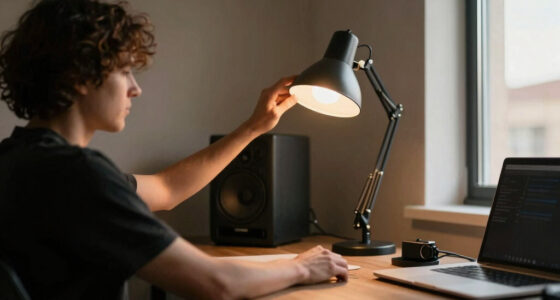
Lighting a small room for video doesn’t mean sacrificing comfort or quality. Using LED lights, proper placement, diffusion, and ventilation keeps your space cool while delivering professional-looking footage.
Ever tried lighting a tiny room for video and ended up sweating under hot, blazing lights? You’re not alone. Small spaces pose a unique challenge: how to get enough light without turning the room into a sauna.
In this guide, you’ll learn simple, effective tricks for illuminating tight spots, staying cool, and still looking professional on camera. No fancy gear needed — just smart choices and a little planning.
Always pick LED lights for small rooms — they emit 80% less heat than halogen or incandescent bulbs.
Proper placement and diffusion are key to soft, flattering lighting and heat reduction.
Maintain good airflow — use fans and open windows to prevent heat buildup during shoots.
Dimming and adjusting brightness keep your setup cool and adaptable.
Less is more — don’t over-gear; use just enough light to get a professional look.
Why LED Lights Are Your Best Friend in Small Rooms
LED lights produce minimal heat compared to traditional bulbs, making them perfect for small spaces. They use less power and can be dimmed, so you control the brightness and temperature.
For example, a 10W LED panel emits roughly 80% less heat than a 100W halogen bulb. This significant reduction in heat output is critical because, in small rooms, heat can quickly accumulate, leading to discomfort and potential equipment overheating. Choosing LED lights helps maintain a comfortable environment, which is essential for long shoots or repeated sessions. Additionally, their ability to be dimmed allows you to balance light intensity and heat, giving you more control over your setup. The tradeoff is that high-quality LED panels can be more expensive initially, but their energy efficiency and low heat output often offset this cost over time.
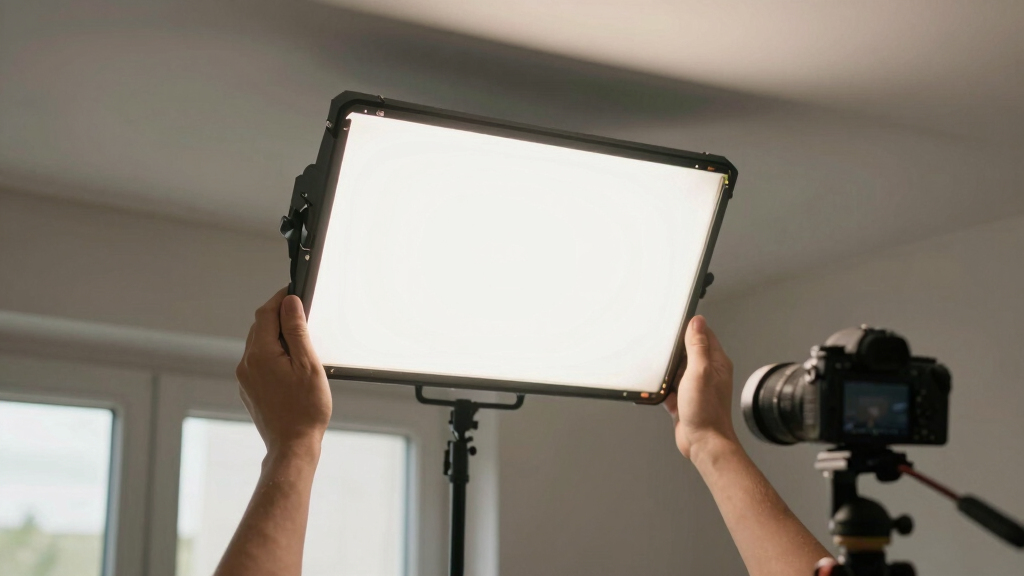
Look for LED softboxes, ring lights, or panel lights with adjustable brightness. They’re lightweight, versatile, and won’t cause your room to turn into a furnace.
As an affiliate, we earn on qualifying purchases.
Placement Tricks That Keep Your Room Cool and Well-Lit
Position your lights carefully. Keep them at least 3-4 feet away from your face and walls. This distance reduces the concentration of heat in a small space and minimizes the risk of overheating. Proper placement also prevents harsh shadows and reduces the need for overly bright lights, which can generate more heat. Using bounce lighting — bouncing light off a wall or ceiling — is a crucial technique because it diffuses the light over a larger area, softening shadows and spreading the heat load. This approach allows you to use less intense light sources while still achieving a flattering, even illumination. For example, bouncing off a white wall creates a natural, soft glow that enhances your appearance without adding heat directly onto you. The tradeoff involves a slight loss of direct control over light direction, but the benefits in heat reduction and softer light often outweigh this drawback.
Additional tips include placing lights slightly above eye level to mimic natural light and using reflectors or white foam boards to bounce light into shadowed areas. Avoid placing lights directly facing your face for extended periods, as this can concentrate heat and cause discomfort.
As an affiliate, we earn on qualifying purchases.
How to Use Diffusers and Accessories to Soften Light and Reduce Heat
Diffusers spread light more evenly, so you need less intensity to achieve a professional look. This is especially important in small rooms, where intense light can quickly raise the temperature. Using diffusers like a white shower curtain, a shower cap over your LED, or a professional softbox helps distribute light softly, reducing the need for high brightness settings that generate more heat. In my own studio, I use a cheap, translucent fabric stretched over a frame to diffuse harsh LED beams. This creates a natural, soft light that’s easy on your eyes and keeps the room cool. The key is that diffusion allows you to lower your light’s power while maintaining quality, which directly impacts heat output. The tradeoff is that diffusion can slightly reduce the overall brightness and sharpness of your light, but for most video applications, the softer, cooler light is worth it. Professional softboxes often include built-in diffusers, offering a balanced solution for heat and light quality.
As an affiliate, we earn on qualifying purchases.
Comparison: Traditional Incandescent vs. LED Lighting for Small Rooms
| Feature | Incandescent / Halogen | LED |
|---|---|---|
| Heat Emission | High — can reach 300°F (150°C) | Low — typically under 100°F (38°C) |
| Energy Use | High | Low |
| Cost | Cheaper upfront | More expensive initially, but saves money long-term |
| Color Quality | Warm, yellower light | Variety — warm to cool, adjustable |
| Best for Small Spaces | No — produces too much heat | Yes — low heat, adjustable brightness |
As an affiliate, we earn on qualifying purchases.
Simple Steps to Keep Your Small Room Cool During Recording
- Choose dimmable, low-heat LED lights.
- Place them at least 3-4 feet away from walls and your face.
- Diffuse the light with softboxes or DIY diffusers.
- Use a small fan or open windows to improve airflow.
- Set your lights to the lowest effective brightness.
In my own setup, I keep a small desk fan blowing gently across the room while using a single LED panel. The cool breeze keeps the heat from building up.
Practical Tips for a Cooler, Brighter Video Setup
- Invest in adjustable, battery-powered LED panels for flexibility.
- Position lights to bounce off the ceiling or wall for soft, even illumination.
- Open windows or use small oscillating fans to keep air moving.
- Limit the number of lights — only what you need for good exposure.
- Use light-colored walls and ceiling for better bounce and reflection.
Remember, the goal is a soft, even glow that doesn’t turn your tiny studio into a sauna.
Frequently Asked Questions
How do I prevent my lights from overheating in a tiny room?
Stick with LED lights, keep them at least 3-4 feet away from walls and your face, diffuse the light, and use fans or open windows to keep the air moving. These steps prevent heat from building up while maintaining good lighting.
What’s the best type of light for a small, enclosed space?
LED panel lights and ring lights are best — they produce minimal heat, are adjustable, and provide soft, even illumination. Avoid halogens or incandescent bulbs, which dump heat into the room.
Can natural light replace artificial lighting in a small room?
Natural light works great if it’s steady — but it’s unpredictable. For consistent quality, add a low-heat LED light to fill in shadows or brighten the scene without overheating the space.
How do I balance lighting and heat control on a tight budget?
Choose affordable LED lights, diffuse with DIY materials like white fabric or paper, and use fans and open windows to keep cool. You don’t need expensive gear — smart placement and diffusion do most of the work.
Conclusion
Lighting a small room for video is all about smart choices. Use LED panels, diffuse your lights, and keep airflow steady. With a little planning, you’ll get bright, beautiful footage — without sweating through your shoot.
Don’t think you need a fancy studio. Sometimes, just a few well-placed, low-heat lights and good ventilation make all the difference. Now go light up your small space — cool, confident, and professional.
Halloween Picks
halloween
As an affiliate, we earn on qualifying purchases.