
TL;DR

Get audio and creator gear delivered free with Prime
- Fast, free delivery on millions of items
- Prime Video, Amazon Music and more included
- Member-only deals all year
A hobbyist learned PCB design, 3D printing, and C programming to build custom audio equipment. This demonstrates a growing DIY trend for personalized tech solutions, though motivations vary and technical details remain private.
An individual has revealed they learned PCB design, 3D printing, and C programming solely to improve their music listening setup. This personal project highlights a DIY approach to customizing audio equipment, reflecting a broader trend of tech enthusiasts creating tailored solutions for their hobbies.
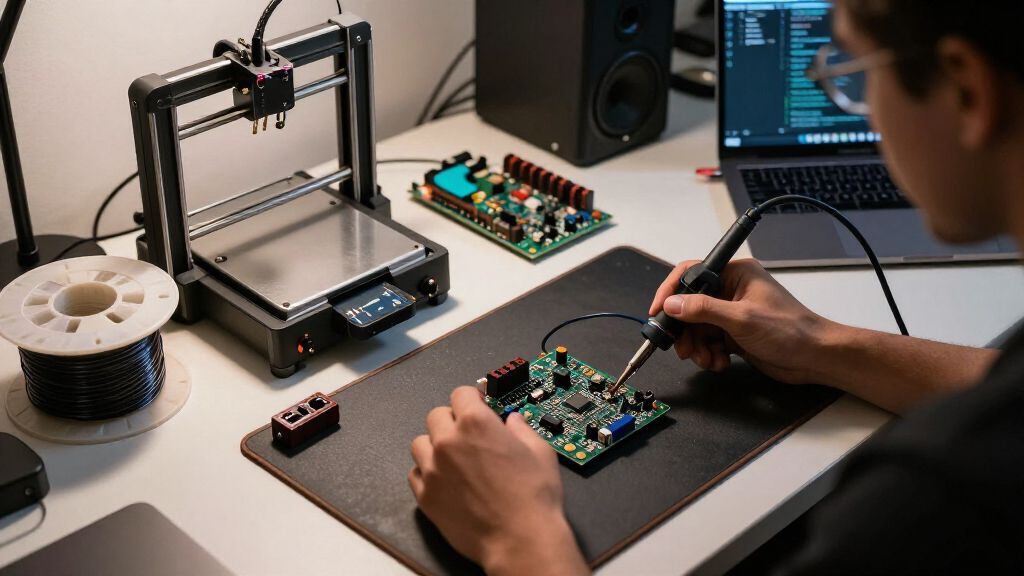
The person, whose identity is not publicly disclosed, stated that their motivation was to achieve higher sound quality and a personalized listening experience. They undertook the complex process of learning PCB (Printed Circuit Board) design to build custom audio hardware, used 3D printing to create enclosures and parts, and learned C programming to develop firmware for their devices.
According to the individual, they dedicated months to acquiring these skills through online courses and self-study. They have now assembled a custom audio device that they say offers superior sound quality compared to off-the-shelf equipment. The project was shared on social media, where it garnered attention from fellow DIY enthusiasts.
Experts in electronics and audio engineering have noted that such pursuits, while technically demanding, are increasingly common among hobbyists seeking personalized solutions. The individual emphasized that their goal was purely for personal use and enjoyment, not commercial production.
Why DIY Audio Customization Reflects Broader Tech Trends
This story illustrates a growing interest in personalized tech solutions among hobbyists, driven by accessibility to online learning resources and affordable manufacturing tools like 3D printers. It highlights how individuals are increasingly taking control of their audio experiences, blending skills from electronics, software, and manufacturing. Such projects could influence future consumer electronics, encouraging more bespoke, user-driven designs. Additionally, it underscores a shift toward self-sufficiency in tech hobbies, reducing reliance on mass-produced devices and fostering innovation at the individual level.Popular right now

Ninja CREAMi 7-in-1 Ice Cream Maker, NC301

Bose QuietComfort Wireless Noise-Cancelling Over-Ear Headphones, Black

Bose QuietComfort True Wireless Earbuds with Active Noise Cancellation, Black
As an affiliate, we earn on qualifying purchases.
Rise of DIY Tech Skills for Personal Audio Projects
Over recent years, online platforms have made learning PCB design, 3D printing, and programming more accessible. Enthusiasts have used these skills to create custom gadgets, from gaming peripherals to musical instruments. In the audio domain, DIY projects like building amplifiers, speakers, and DACs have become more popular. This individual’s journey exemplifies this trend, where personal motivation drives the acquisition of complex technical skills for specific hobbyist goals.
While the practice is not new, the democratization of technology means more people can undertake sophisticated projects. The individual’s focus on music, a universally appreciated hobby, underscores how personal passions can motivate technical learning and innovation.
“I learned PCB design, 3D printing, and C just to listen to music better. It’s a way to customize and improve my experience.”
— the individual behind the project
Technical Details and Future Plans Still Unclear
It is not yet clear exactly what specific hardware or software the individual has created, or how much their skills have advanced beyond the initial learning phase. The full scope of their project and whether they plan to share designs or sell products remains undisclosed. Additionally, the technical effectiveness of their custom setup compared to commercial options has not been independently verified.
Potential for Sharing Projects and Inspiring Others
The individual may choose to publish detailed plans or tutorials, inspiring others to undertake similar DIY audio projects. There could also be further development of their hardware or software, possibly leading to more refined or advanced audio devices. Observers will likely monitor whether this personal project influences broader DIY audio communities or sparks commercial innovations.
Key Questions
Why did this person learn so many technical skills for music?
The individual wanted to customize and improve their personal music listening experience, which motivated them to learn PCB design, 3D printing, and C programming.
Are they planning to sell or share their project?
It is not yet clear whether the person intends to commercialize or publicly share their designs. They have primarily focused on personal use so far.
How common is this type of DIY audio project?
While DIY audio projects are increasingly popular, especially among electronics hobbyists, building custom hardware from scratch remains relatively niche but growing, thanks to accessible online resources and affordable manufacturing tools.
What skills are necessary to undertake such a project?
Skills include PCB design, 3D modeling and printing, programming (particularly in C), and basic electronics assembly. The individual reportedly self-taught through online courses and tutorials.
Could this trend influence commercial audio products?
Potentially, as more hobbyists develop innovative solutions, some ideas might transition into commercial products or inspire mainstream manufacturers to adopt more customizable features.
Source: hn