
TL;DR

Get audio and creator gear delivered free with Prime
- Fast, free delivery on millions of items
- Prime Video, Amazon Music and more included
- Member-only deals all year
Different microphone polar patterns—cardioid, omni, and figure 8—shape how your mic picks up sound. Choosing the right one depends on your recording environment and content style, impacting noise rejection and ambiance.
Ever wonder why some microphones seem to focus perfectly on your voice while others pick up everything around you? It’s all about polar patterns. Knowing how your mic hears sounds from different directions can make or break your podcast’s audio quality.
In this guide, you’ll discover the three key polar patterns—cardioid, omni, and figure 8—and how each one shapes your sound. With this knowledge, you can pick the best mic for your space and style, saving you time, money, and frustration.
Choose a cardioid microphone for most solo podcasting to focus on your voice and block out background noise.
Omnidirectional mics are best when capturing ambient sound or multiple voices around a single mic setup.
Figure 8 patterns excel for two-person interviews or stereo recordings, with sound picked up from front and back only.
Modern mics often switch patterns digitally or via simple knobs, making setup flexible and adaptable.
Proper microphone placement is just as important as choosing the right pattern—closer for cardioid, farther for ambient recordings.
What is a cardioid microphone, and why is it perfect for podcasters?
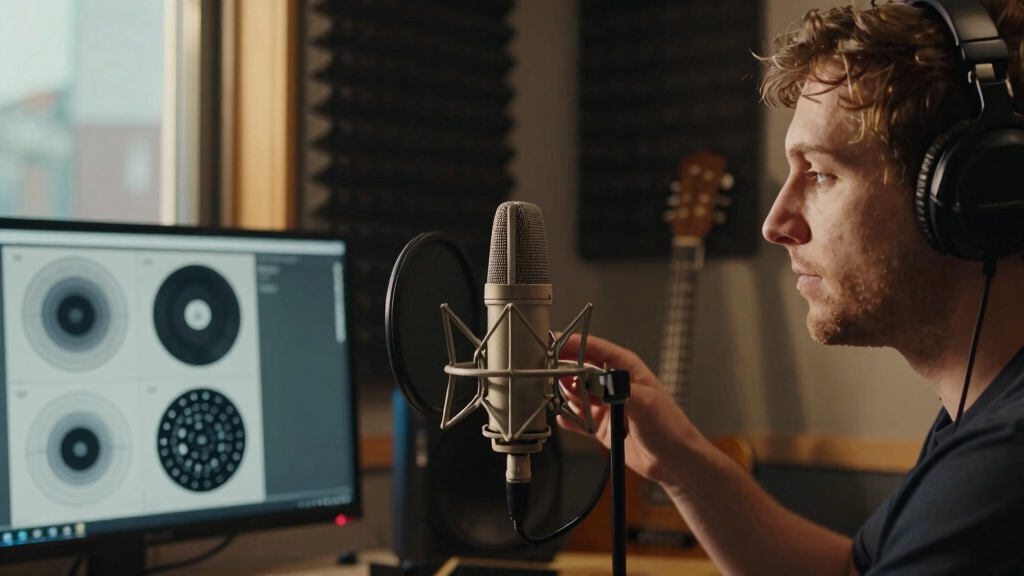
A cardioid pattern is heart-shaped, capturing sound mainly from the front and rejecting most from the sides and rear. Think of it as a focused beam, like a flashlight shining directly at your face.
For podcasters, this means less room echo, fewer background noises, and clear voice capture. If you’re recording in a typical home office or a noisy coffee shop, a cardioid mic keeps your voice front and center.
Imagine sitting at your desk, microphone inches from your mouth. The cardioid capsule picks up your voice crisply, even if your room isn’t perfectly soundproofed.
cardioid microphone for podcasting
As an affiliate, we earn on qualifying purchases.
As an affiliate, we earn on qualifying purchases.
How does an omnidirectional mic capture your environment?
An omnidirectional pattern picks up sound equally from all directions—360 degrees around the capsule. It’s like placing a tiny, sensitive ball in the middle of a room.
If you’re doing a roundtable podcast with multiple guests sitting around one mic, this pattern captures everyone evenly. It’s also great for recording ambient sound or room tone.
Picture a cozy conversation where everyone’s voice blends naturally, with the microphone catching each voice from across the table without favoring one speaker.
omnidirectional microphone for ambient sound
As an affiliate, we earn on qualifying purchases.
As an affiliate, we earn on qualifying purchases.
Why choose a figure 8 pattern for your podcast?
The figure 8 pattern captures sound from the front and back, but rejects from the sides. It’s shaped like an infinity symbol or a figure eight—hence the name.
This makes it perfect for recording two people facing each other, like an interview or a duet. You place the mic between the speakers, and it focuses on their voices while ignoring side noise.
Imagine a podcast duo, each speaking comfortably on either side of the mic, with the room’s background noise minimized behind them.
figure 8 stereo microphone for interviews
As an affiliate, we earn on qualifying purchases.
As an affiliate, we earn on qualifying purchases.
Which microphone pattern is best for your environment?
Picking the right pattern depends on where and how you record. Here’s a quick guide:
| Scenario | Best Pattern |
|---|---|
| Quiet home office, solo voice | Cardioid |
| Multiple voices, roundtable setup | Omnidirectional |
| Two-person interview, between speakers | Figure 8 |
| Ambient room sound or recording a band | Omnidirectional |
Understanding these strengths helps you avoid picking a pattern that picks up too much background noise or misses your voice entirely.
podcast microphone with pattern switch
As an affiliate, we earn on qualifying purchases.
As an affiliate, we earn on qualifying purchases.
How to choose the right polar pattern for your setup
- Assess your environment: Is it quiet or noisy? Small room or large?
- Decide your main recording style: Solo voice or group discussion?
- Pick a pattern based on your needs: Cardioid for focus, omni for ambient, figure 8 for dual speakers.
- Test your microphone placement: Close to the mouth for cardioid, or at a distance for ambient sounds.
- Adjust and listen: Make sure the sound is clear and background noise is minimized.
For example, if you record at your desk and want clear vocals, a cardioid mic placed about 6-8 inches from your mouth is best. But if you’re doing a chat with a friend across the room, omni might be better—but expect more room noise.
What recent tech makes using polar patterns easier for podcasters?
Modern microphones often feature switchable polar patterns—sometimes with digital controls—making it simple to adapt on the fly. For instance, a USB mic might let you toggle between cardioid, omni, and figure 8 with a button press.
Advances in capsule design and digital processing also cut down background noise and improve clarity, even in less-than-ideal spaces. Wireless mics with pattern control are now more common, giving you flexibility in remote setups.
Imagine switching from a focused cardioid during solo recordings to omni when recording a panel, all with a quick toggle—saving time and effort.
Key facts every podcaster should remember about polar patterns
- Cardioid microphones capture up to 90% of sound from the front, ideal for speech-focused recording.
- Omnidirectional mics pick up everything around, including room ambiance and multiple voices.
- Figure 8 patterns are perfect for two-person recordings, focusing on front and rear but ignoring sides.
- Placement is critical—closer for cardioid, farther for ambient sounds.
- Environmental factors like room acoustics heavily influence your choice—select accordingly.
Your common questions answered
Q1: Which pattern is best for beginner podcasters?
Most start with cardioid microphones because they’re simple, effective, and good at rejecting background noise.
Q2: Can I switch patterns on my mic?
Some mics have switchable patterns—check your model’s specs. Others are fixed, so choose wisely before buying.
Q3: How much does room acoustics matter?
Very much. A good pattern helps, but treating your space (like adding rugs or foam) makes a big difference.
Q4: Are dynamic or condenser mics better for podcasts?
It depends. Condensers are more sensitive and capture detail, but pick up more background noise. Dynamics are rugged and reject unwanted sounds.
Q5: What’s the difference between polar pattern and frequency response?
Polar pattern describes the directionality of sound pickup; frequency response covers how the mic reproduces different sound pitches.
Conclusion
Understanding your microphone’s polar pattern is like giving your voice a tailored suit. It ensures your sound is clear, focused, and free of unwanted clutter. Take the time to match the pattern to your environment, and your audience will notice the difference.
Next time you set up your mic, ask yourself: where am I, what do I want to sound like, and which pattern helps me get there? That simple question can elevate your podcast to a whole new level.
Halloween Picks
halloween
As an affiliate, we earn on qualifying purchases.