
TL;DR

Get audio and creator gear delivered free with Prime
- Fast, free delivery on millions of items
- Prime Video, Amazon Music and more included
- Member-only deals all year
The difference between 3200K and 5600K is mainly in warmth and color tone. Use 3200K for warm, indoor vibes, and 5600K for daylight or cool tones. Matching your light and camera settings ensures natural, professional footage.
Ever wonder why some videos feel warm and cozy while others seem crisp and cool? It all comes down to color temperature. Understanding whether to shoot at 3200K or 5600K can make or break the look of your footage—and it’s easier than you think.
In this guide, you’ll learn what these numbers really mean, how to match your lighting with your camera, and when to choose each setting for the best results. Knowing this simple difference can transform your videos from amateurish to polished overnight.
Choose 3200K to create warm, inviting scenes with a cozy glow.
Use 5600K for natural daylight looks—crisp and neutral.
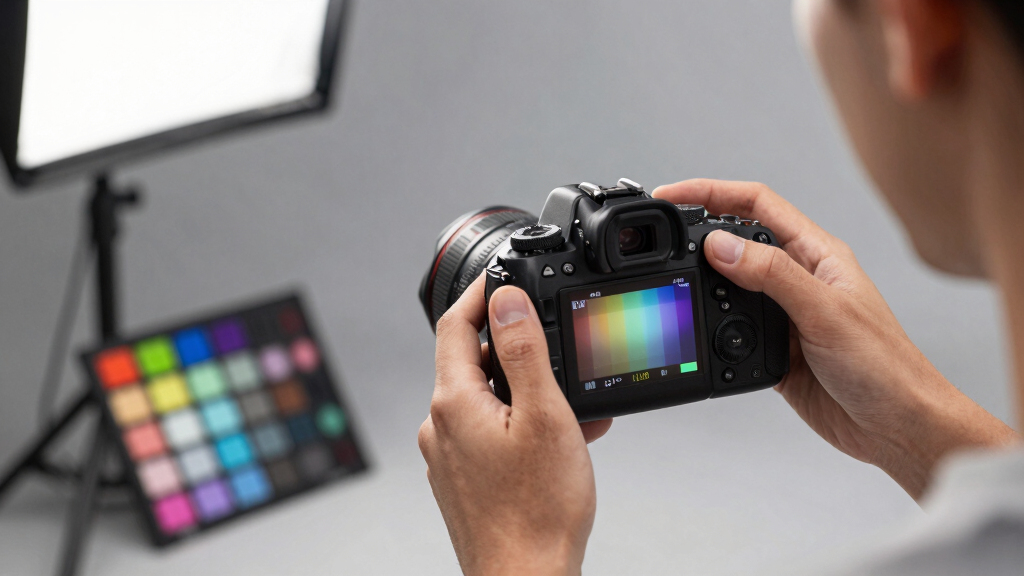
Match your camera’s white balance to your light source for accurate colors.
Modern adjustable LED lights simplify switching between temperatures.
Mixing different temperatures requires correction, either in filters or post-production.
Color Temperature Explained: 3200K vs 5600K for Video
Color temperature is the hue of a light source measured in Kelvin. The practical rule is simple: use 3200K for warm tungsten interiors, use 5600K for daylight, and match your camera’s white balance to the dominant light.
Warm intimacy or daylight clarity?
Lower Kelvin values appear warmer and more amber. Higher values appear cooler and bluer. Neither is inherently better—the right choice depends on the source you need to match and the feeling you want to create.
Ideal for tungsten-lit interiors, interviews, restaurants and scenes designed to feel comfortable or nostalgic. Skin can look soft and flattering when the white balance is matched.
Built for sunlight, window light, product work and outdoor scenes. It supports clarity and realism, though overly cool treatment can make skin feel clinical.
| Feature | 3200K | 5600K | Production signal |
|---|---|---|---|
| Color tone | Amber / yellow-orange | Neutral / blue-leaning | ~Mood changes with balance |
| Typical source | Tungsten fixture | Sunlight or daylight LED | ✓Match the dominant source |
| Best environment | Interior / controlled set | Exterior / window-lit set | ✓Start with the environment |
| Emotional effect | Cozy, intimate, nostalgic | Fresh, clear, professional | ~Choose for story intent |
| Wrong balance risk | Excess yellow/orange cast | Cold or blue cast | ✕Correct before recording |
Where common light sources sit
Kelvin describes the appearance of the source—not its brightness. As the number rises, the visual character moves from amber household light toward cooler daylight and shade.
Pick the right temperature fast
A repeatable setup prevents unwanted casts and reduces correction later. Make the source decision first, then tell the camera how to interpret it.
Read the environment
Is the scene driven by tungsten fixtures, sunlight, window light or a combination? Find the dominant source before choosing a setting.
Set white balance
Choose Tungsten or roughly 3200K for tungsten light. Choose Daylight or roughly 5600K for sunlight and daylight-balanced fixtures.
Test before recording
Check skin, neutral surfaces and the background on camera. Gel mismatched sources or plan a controlled color-grade when needed.
Can you mix 3200K and 5600K?
Yes—but untreated sources can place a warm background behind a cool subject or create different color casts across one face. Sometimes that contrast is intentional. When it is not, follow the correction chain.
Find the conflict
Compare every fixture with window light and practical lamps.
Choose a target
Commit to 3200K, 5600K or a deliberate creative midpoint.
Convert sources
Use gels, adjustable LEDs, diffusion or light-blocking control.
Fine-tune in post
Grade small residual shifts after achieving a consistent base.
Best practice: correct major temperature differences on set. Heavy post-production fixes can cost editing time, introduce noise and reduce color fidelity.
Technology makes matching easier
Bi-color LEDs, manual Kelvin controls and sophisticated grading tools bring more flexibility to small crews. They complement good lighting decisions; they do not replace them.
Adjustable LED fixtures
Many modern lights cover roughly 2700K–6500K, allowing a fast shift from warm interiors to daylight without swapping bulbs.
Manual white balance
Kelvin selection, presets and custom readings help the camera render whites and skin tones consistently under known sources.
CRI and TLCI matter
Temperature describes the hue. CRI and TLCI indicate how faithfully a fixture reproduces colors for people and cameras.
A broad adjustable range can cover household warmth, studio tungsten, clear daylight and cooler shaded conditions.
Five rules to remember
Professional color begins with consistency. Decide what should look neutral, match the camera to that source and use any remaining difference as an intentional creative choice.
Choose 3200K for tungsten interiors and warm, inviting scenes.
Choose 5600K for daylight and clean, natural-looking footage.
Match camera white balance to the dominant light source.
Use adjustable LEDs to respond quickly as conditions change.
Correct mixed temperatures with gels, control or careful grading.
3200K feels warm; 5600K feels like daylight. Matching light and white balance is what makes either one look natural.
What exactly is color temperature, and why does it matter in your videos?
Color temperature is how your camera perceives the hue of your light source, measured in Kelvin. Think of it as the ‘mood’ of your light—warm or cool. 3200K feels like candlelight or tungsten bulbs—rich, amber, inviting. 5600K mimics bright daylight—crisp, blueish, and natural.
Understanding the implications of these differences is crucial because each setting influences the overall look and feel of your footage. For example, shooting in 3200K indoors creates a cozy, intimate atmosphere, but if your camera’s white balance isn’t set correctly, the scene can appear overly warm or yellowish, distorting the mood. Conversely, 5600K outdoors captures natural light accurately, but if you use indoor lighting at this setting, your footage may look cold or uninviting unless balanced properly. The tradeoff lies in matching your lighting environment with your camera settings; mismatches can lead to color casts that are distracting or require heavy correction in post-production, which can degrade image quality and increase editing time. Recognizing these nuances helps you make intentional choices that save time and produce more professional results.
As an affiliate, we earn on qualifying purchases.
How do these two temperatures change the mood of your footage?
3200K creates a warm, intimate atmosphere—think of a romantic dinner or a moody interview. The golden tones make skin look soft and inviting. This warmth can evoke feelings of comfort and nostalgia, making viewers feel more connected to the scene. However, overusing warm tones without balancing other elements can make your footage appear artificially cozy or even dated if not styled correctly. On the other hand, 5600K provides a clean, neutral look—perfect for product demos, tutorials, or outdoor scenes where you want natural realism. This cooler temperature emphasizes clarity and detail but can sometimes make skin tones appear washed out or overly clinical if not handled carefully. The key is understanding that each setting influences emotional perception: warm tones tend to evoke intimacy, while cooler tones communicate freshness and professionalism. As a practical takeaway, consider the emotional message you want to convey and choose your color temperature accordingly, being mindful of how it interacts with other visual elements to reinforce that mood.
color temperature LED panel light 3200K
As an affiliate, we earn on qualifying purchases.
As an affiliate, we earn on qualifying purchases.
Compare 3200K and 5600K in a quick side-by-side table
| Feature | 3200K |
|---|---|
| Color Tone | |
| Warmth | Amber, yellow-orange |
| Use Case | Indoor tungsten, cozy ambiance |
| Effect on Skin | Soft, flattering |
| Best for | Interior, intimate scenes |
professional white balance light for video
As an affiliate, we earn on qualifying purchases.
As an affiliate, we earn on qualifying purchases.
How to pick the right temperature for your scene — 3 simple steps
- Identify the environment: Is it indoor or outdoor? Natural or artificial light? This determines your starting point, whether you should lean toward 3200K or 5600K.
- Match your camera’s white balance: Set to tungsten for 3200K, daylight for 5600K. This ensures your camera interprets the colors correctly, preventing unwanted color casts. Use manual white balance for precision, especially in mixed lighting conditions.
- Adjust if mixing sources: Use gels or filters to balance different lights, or correct in post with color grading. Always test your setup before recording to see how the colors look on camera. For example, if indoors with tungsten bulbs, set your camera to 3200K; if outdoors, switch to 5600K. When combining sources, choose a white balance that minimizes color shifts, or plan to correct in post.
As an affiliate, we earn on qualifying purchases.
Can you mix different lights of different temperatures? Yes—but with caution.
Mixing 3200K and 5600K sources can create jarring color casts—like a warm background with a cool subject. To keep your footage natural, use gels, filters, or adjust your white balance accordingly. Post-processing can help correct mismatched tones, but it’s better to plan your lighting setup to avoid these issues. For instance, if you have tungsten lights and daylight coming through a window, setting your white balance to auto or manual 5600K helps unify the scene. Alternatively, you can use gels to convert one light source to match the other, saving time in post-production and maintaining color consistency. Recognizing the tradeoff here is essential: while mixing is sometimes unavoidable, it often requires additional effort and can compromise image quality if not managed properly. The practical takeaway is to aim for consistent lighting temperatures whenever possible, or be prepared to spend time correcting mismatches afterward.
How do modern lights and cameras make managing color temperature easier?
Many LED lights now feature adjustable color temperature—some from 2700K to 6500K—giving you real-time control. Cameras also handle white balance automatically or with presets. Plus, advanced color grading lets you fine-tune tones after filming, making perfect matching less critical in the moment. This technological evolution allows you to experiment more freely, knowing you can correct or adjust in post if needed. The tradeoff is that relying heavily on post-processing can sometimes lead to a loss of image fidelity if not done carefully. The practical value here is that modern gear empowers you to adapt quickly to changing conditions, but understanding the principles of color temperature remains vital. Use these tools to complement your initial setup, not replace good lighting and camera practices. For example, a small studio can quickly dial from warm to cool lighting without changing bulbs or filters, saving time and enabling more creative flexibility.
Frequently Asked Questions
When should I use 3200K versus 5600K lighting?
Use 3200K for indoor tungsten lighting, creating warm, cozy scenes. Switch to 5600K for outdoor daylight or when you want a neutral, natural look.
Can I mix lights of different temperatures without problems?
Yes, but it’s best to balance them with gels, filters, or correct in post. Otherwise, mismatched tones can make your scene look weird or unprofessional.
How do I set my camera’s white balance for these temperatures?
Set your camera to ‘Tungsten’ (around 3200K) for tungsten lights, or ‘Daylight’ (around 5600K) for sunlight. Manual white balance gives you the most control.
Are adjustable LED lights better than fixed ones?
Absolutely. Adjustable LEDs let you match any lighting condition on the fly, saving time and hassle compared to fixed-temperature lights.
How does color temperature influence the mood of my video?
Warmer temps (around 3200K) evoke intimacy, comfort, and warmth. Cooler temps (around 5600K) give a fresh, clean, and professional vibe.
Conclusion
Getting your color temperature right isn’t about rigid rules—it’s about understanding the vibe you want. Whether you’re aiming for warmth or cool clarity, knowing when to use 3200K or 5600K makes your videos look more professional with less fuss.
Think of it as choosing the right paint for a wall—small choices, big impact. Warm up your scenes or cool them down, and watch your footage come alive with purpose and style.
Halloween Picks
halloween
As an affiliate, we earn on qualifying purchases.