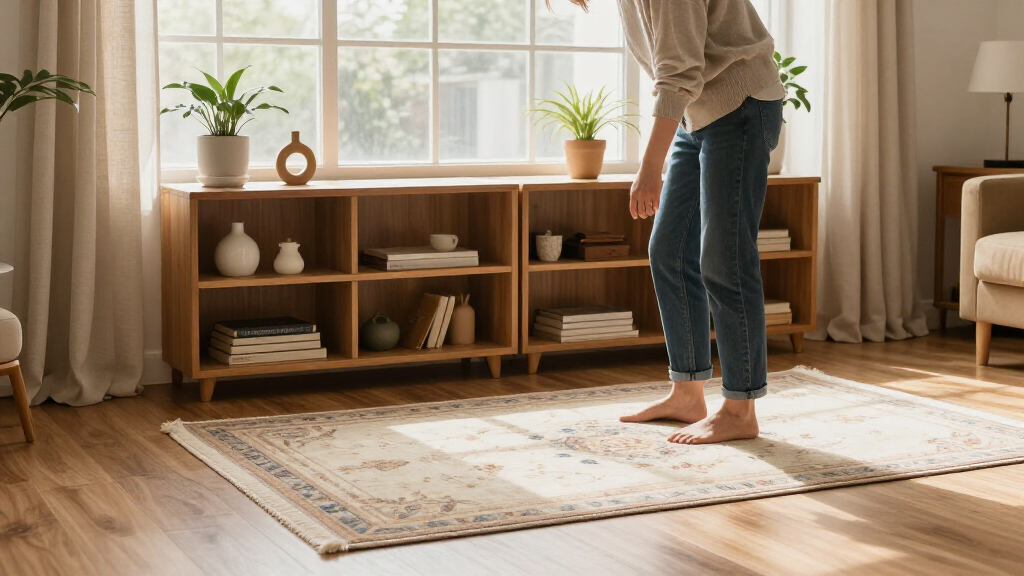

TL;DR

Get audio and creator gear delivered free — and shop member deals
- Fast, free delivery on millions of items
- Access to Prime Big Deal Days deals on October 6–7
- Prime Video, Amazon Music and more included
Rugs, curtains, and upholstered furniture mainly absorb high- and mid-frequency sound reflections, making rooms sound clearer. They do little to block noise transmission or control bass, so understanding their limits helps you improve your space without false hope.
Ever notice how a room feels less echoey after adding a big rug or heavy curtains? It’s not magic — soft furnishings actually absorb certain sounds, making speech clearer and rooms more comfortable. But don’t confuse this with soundproofing, which stops noise from escaping or entering.
In this guide, you’ll learn what household items really absorb sound, how to use them effectively, and what they can’t do. Whether you’re setting up a studio, a home office, or just want a quieter space, understanding these basics saves you money and frustration.
Thick, dense, and large soft furnishings like sofas and rugs absorb high- and mid-frequency sounds more effectively than small or thin items.
Heavy curtains help reduce reflections from glass and bare walls but won’t block outside noise or low frequencies.
Bookshelves scatter and modestly absorb sound at middle and high frequencies, but are not bass traps or soundproof barriers.
Adding coverage is more important than just adding a few small items; focus on large, strategic placements.
Understanding the limits of household items prevents wasted effort and false expectations about noise control.
Rugs, Curtains and Bookshelves: What Household Items Actually Absorb
Soft furnishings can make a room sound clearer and less echoey—but that is absorption, not soundproofing. The difference determines what will work, what will not, and where your money is best spent.
What each household item really does
Performance rises with thickness, porosity, depth and exposed area. Most household solutions work from the middle of the spectrum upward.
Rugs & carpets
Reduce sharp reflections from hard floors and soften footsteps. Dense underlay improves the result; bass absorption remains minimal.
Heavy curtains
Absorb mid- and high-frequency reflections from glass. Use deep pleats, full height, generous width and an air gap.
Bookshelves
Irregular books and gaps scatter some mid-high reflections and can reduce flutter echo. A packed flat face stays largely reflective.
Upholstered furniture
Sofas, mattresses and padded chairs are strong everyday absorbers because they combine depth, foam, fabric and surface area.
Blankets & quilts
Thick layers reduce high and some mid reflections. Folds and a gap behind the textile outperform a thin hanging stretched flat.
Plants
Leaves and soil provide tiny amounts of scattering and absorption. A few plants improve atmosphere—not acoustic control.
Absorb, scatter or block?
A room can feel calmer without becoming better isolated. Name the problem first, then choose the mechanism that solves it.
Absorption
Turns reflected sound energy into tiny amounts of heat, reducing echo and reverberation inside the room.
Diffusion
Redirects reflections in many directions. Irregular shelves can offer limited scattering at mid-high frequencies.
Soundproofing
Limits transmission between spaces using airtight seals, mass, isolation and specialized doors, walls or glazing.
Where furnishings help—and where they fail
Ratings are practical relative comparisons, not laboratory absorption coefficients. Construction, placement and room geometry change the outcome.
| Household item | High-frequency echo | Mid frequencies | Bass control | Noise transmission | Best use |
|---|---|---|---|---|---|
| Thick rug + underlay | Hard floors, footsteps | ||||
| Heavy pleated curtain | Glass reflections | ||||
| Irregular bookshelf | Flutter echo, bare walls | ||||
| Fabric sofa | General room damping | ||||
| Quilt / moving blanket | Bare-wall reflections | ||||
| Thin foam / egg cartons | Minor treble control |
Safety note: Check fire ratings before mounting foam, blankets or textiles near lighting, heaters, outlets or escape routes.
Thin materials catch the short waves
Treble is easy to absorb because its wavelengths are short. Bass waves are long and energetic, demanding much deeper porous absorbers or purpose-built resonant traps.
From acoustic problem to practical placement
Listen for the problem
Echo, harsh speech, bass boom or incoming noise?
Name the mechanism
Reflection, impact, resonance or transmission?
Target the surface
Floor, glass, bare wall, corners or structural gaps?
Add depth & coverage
Choose thick, porous material over a large area.
Measure the change
Compare reverberation and clarity before adding more.
What soft furnishings cannot fix
A blanket cannot quiet a subwoofer through a wall. When the issue is transmission, vibration or deep bass, move beyond interior decoration to targeted acoustic construction.
Outside noise
Traffic and neighbour noise usually enter through glazing, doors, vents, gaps and lightweight structures.
Use → seals + mass + better glazingBass buildup
Low frequencies collect around boundaries and corners, passing through thin textiles with little resistance.
Use → deep bass traps + measurementStructural vibration
Footfall, machinery and loud low-end energy travel through connected floors, walls and framing.
Use → isolation + decouplingBetter acoustics, without false hope
Thick, dense and large soft furnishings absorb more mid-high sound than thin decorative pieces.
Heavy, pleated, full-height curtains tame glass reflections but do not soundproof a weak window.
Irregular bookshelves mainly scatter sound; they are neither broadband panels nor bass traps.
Coverage and placement matter. Treat large reflective areas and first-reflection points strategically.
For transmission or bass, use sealing, mass, isolation and purpose-built acoustic treatment.
Why Rugs and Carpets Help (And Why They Can’t Stop Noise from Outside)
Rugs and carpets mainly absorb high-frequency sound waves — think speech consonants and sharp reflections. A thick, plush rug with underlay can cut down echo in a room and muffle footsteps. But if you’re trying to stop a neighbor’s lawnmower or traffic noise, a rug alone won’t cut it.
Imagine walking into a room with a shaggy rug on a wooden floor. The sound of your footsteps and your voice echo less. That’s because the dense fibers soak up the sharp, quick sounds. But low bass tones — like a subwoofer thumping — pass right through.
Variables like thickness, material, and coverage matter. Covering more floor space with a dense rug makes a noticeable difference. But don’t expect it to drown out loud noises coming from outside or through walls.
large dense area rugs for sound absorption
As an affiliate, we earn on qualifying purchases.
As an affiliate, we earn on qualifying purchases.
Heavy Curtains: Not Just Decoration, But Some Sound Absorption
Heavy, multilayered curtains do a decent job of absorbing mid- and high-frequency sounds. They’re especially helpful over large glass windows, where reflections bounce back and forth. But they won’t block street noise or loud neighbors by themselves.
Think of thick velvet drapes hung with plenty of fabric, close to the wall. They absorb reflections from the glass and reduce echo, making speech easier to understand. For best results, hang curtains that extend from ceiling to floor, with an air gap behind them.
Keep in mind: gaps around edges and weak window seals still let noise leak through. Curtains improve indoor acoustics, but they’re not soundproof barriers.
heavy acoustic curtains for room noise reduction
As an affiliate, we earn on qualifying purchases.
As an affiliate, we earn on qualifying purchases.
Bookshelves: Scatter, Reflect, or Absorb? What They Really Do
Bookshelves are tricky. A full, densely packed shelf reflects sound, but the uneven edges and gaps can scatter or absorb some frequencies. They won’t replace dedicated acoustic panels, but they can break up strong reflections and flutter echoes.
Imagine a tall, irregularly filled bookshelf against a bare wall. It’s not a bass trap, but it can help diffuse sound at middle and high frequencies. Random shelves scatter reflections, reducing that metallic, rapid echo you get in empty rooms.
However, don’t rely on bookshelves to absorb bass or block noise. They’re more like scatterers that help improve clarity and reduce certain echoes.
bookshelves for sound scattering and absorption
As an affiliate, we earn on qualifying purchases.
As an affiliate, we earn on qualifying purchases.
Upholstered Furniture: Big, Soft, and Effective for Mid-High Frequencies
Upholstered sofas, padded chairs, and mattresses are among the best household sound absorbers, especially for mid- and high-frequency sounds. Thick, porous materials and large surface areas soak up reflections, making a room feel less ‘live’.
Picture yourself sinking into a plush sofa. The fabric and foam absorb much of the echo and reduce harshness. During gatherings, furniture absorbs a good chunk of sound, making speech clearer and less tiring.
While they help with mid-high frequencies, they don’t do much for bass. So, if bass buildup is a problem, you’ll need specialized traps or treatments.
home soundproofing soft furnishings
As an affiliate, we earn on qualifying purchases.
As an affiliate, we earn on qualifying purchases.
Blankets, Wall Hangings, and Plants: Small Effects That Add Up
Thick blankets, quilts, and layered textiles can cut down on some high- and mid-frequency reflections. Hang a quilt over a bare wall or drape a blanket in a corner — it makes a noticeable difference in echo and clarity.
Plants, surprisingly, contribute very little to sound absorption. Their leaves and soil scatter or absorb tiny amounts of sound, but a few houseplants won’t change your room’s acoustics much. Large, dense groups of plants might help slightly, but they’re no substitute for dedicated treatments.
These household items are best used as part of a broader strategy, not the sole solution.
Foam and DIY Materials: What They Do and What They Don’t
Open-cell foam panels and egg cartons are common DIY solutions. They mainly absorb middle- and high-frequency sound reflections. But thin foam won’t stop sound passing through walls, and egg cartons are more decorative than effective.
For serious bass control, you need thick, porous materials, resonant traps, or professional panels. DIY foam can help tame echo in a small room, but it’s not a magic bullet.
Be cautious: some foam products are fire hazards or may not meet safety standards. Always check for fire safety ratings before installing.
Why Frequency Matters in Absorption
Absorption depends heavily on sound frequency. High frequencies (treble) are absorbed easily by thin materials, while bass (low frequencies) require thick, porous, or resonant treatments. This is why adding foam or rugs may improve speech clarity but won’t fix bass issues.
Imagine trying to control bass with a thin rug or foam panel — it’s like trying to catch a wave with a teaspoon. Proper bass traps are thick, often several feet deep, and placed in corners or along walls.
Understanding this helps you avoid wasting money on treatments that only affect part of the sound spectrum.
Placement and Coverage: Making the Most of Your Soft Stuff
Adding a small rug or a single curtain rarely makes a big difference. The key is coverage: larger, thicker, and strategically placed soft furnishings matter more.
Priorities include covering large reflective surfaces, such as bare walls or glass, and placing rugs in areas where sound bounces between floor and ceiling. Use full, heavy curtains over windows, and add furniture against bare walls to break up reflections.
In critical listening or recording spaces, treat first-reflection points and corners with purpose-built panels or diffusers for maximum impact.
What Household Items Cannot Fix
Soft furnishings alone can’t solve everything. Bass buildup, structural vibrations, or sound leaking through gaps and thin walls require different solutions. Sealing gaps, adding mass, decoupling structures, or installing proper soundproofing are necessary for serious problems.
Imagine trying to quiet a subwoofer’s bass with a blanket — it’s just not enough. These issues demand targeted treatments beyond typical household items.
Knowing the limits saves you from wasting effort on ineffective fixes.
Latest Trends and Advances in Home Acoustic Treatments
Affordable measurement tools and room analysis software now let you see how your modifications change reverberation times and sound response. This helps tailor your treatments better.
Reverberation, not just loudness, is gaining attention — especially for speech clarity in home offices or studios. Better transparency in product ratings helps you choose effective materials, including recycled or natural options like wool, cork, or hemp.
Many products now blend acoustic performance with style, so your room looks good and sounds better without sounding like a studio.
Myth Busting: What Common Beliefs About Sound Absorption Are Wrong
Myth: “A rug will soundproof the room.” It reduces echo but does little to block outside noise. Myth: “Heavy curtains block all noise.” They mainly absorb reflections, not sound transmission. Myth: “Bookshelves trap bass.” They scatter sound but don’t trap deep low frequencies. Myth: “Egg cartons work like foam.” They offer negligible absorption and can be unsafe. Myth: “More foam is always better.” Excessive thin foam dulls treble without controlling bass.
Knowing these myths prevents you from wasting time and money on ineffective solutions.
Your Most Common Questions Answered
- Which household item absorbs the most sound? An upholstered sofa or mattress usually absorbs more than a thin rug or small bookshelf because of their size and porous materials.
- Are rugs or curtains better? They serve different purposes: rugs control floor reflections and impact noise, curtains address window reflections. Coverage and thickness matter more than category.
- Do books absorb sound? Books absorb a tiny amount through edges and gaps but mainly scatter sound. They’re more scatterers than absorbers.
- Can curtains stop traffic noise? Not really. They reduce reflections inside the room but don’t block low-frequency outside noise. Better to seal gaps or upgrade windows.
- How thick should an absorber be? Several centimeters for speech, thicker for bass traps. Depth and porosity determine how much low-frequency energy it can absorb.
Conclusion
Household items can make a real difference in how your room sounds — if you use them wisely. Rugs, curtains, and upholstered furniture reduce reflections and echo, but they’re no substitute for proper soundproofing or bass traps. Use them as part of a balanced approach, and you’ll enjoy clearer speech and a more comfortable space.
Remember, the key is coverage and placement. Don’t expect a blanket or a single rug to fix everything, but do leverage what you already have for a better sounding room. With a bit of strategy, even on a budget, you can seriously improve your space’s acoustic vibe — no studio required.
Fall Picks
fall essentials
As an affiliate, we earn on qualifying purchases.