
TL;DR

Get audio and creator gear delivered free with Prime
- Fast, free delivery on millions of items
- Prime Video, Amazon Music and more included
- Member-only deals all year
Nibs wear through friction, influenced by material, surface texture, and use. Replace when edges chip, become rough, or lines get inconsistent. Regular inspection keeps your stylus performing smoothly.
Ever notice how your stylus suddenly feels less precise, or lines start to drag? That’s nib wear in action. Unlike a pen with a metal tip, digital stylus tips are designed to be replaceable, but knowing when and why to swap them out makes a real difference.
In this guide, you’ll learn how different nib materials feel and wear, what signs indicate it’s time for a new one, and simple tips to extend nib life. Think of your stylus nib as a tiny, fragile contact point — keep it in shape, and your drawing stays smooth and sharp.
Regularly inspect your nib for signs of wear — edges, fraying, or inconsistent lines signal it’s time to replace.
Material choice impacts feel, noise, and wear rate — softer tips wear faster but offer tactile comfort.
Replace your nib before it becomes sharp or uneven to prevent damage to your screen protector or coating.
Proper storage, gentle pressure, and keeping the screen clean significantly extend nib life.
Stay aware of new nib options and textured screens to optimize your drawing experience without unnecessary wear.
Pen Nib Wear: Materials, Feel and When to Replace
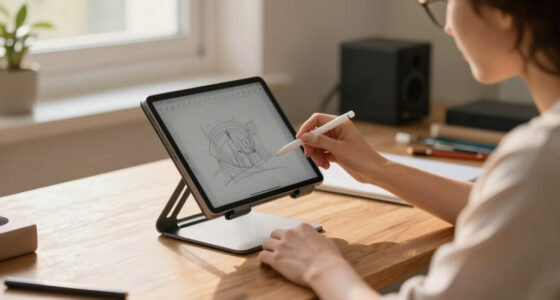
A stylus nib is a tiny, replaceable contact point. Friction slowly reshapes it, changing drag, comfort, and line consistency. Inspect the condition—not the calendar—to keep every stroke smooth and protect the screen beneath it.
Pressure, surface texture, pen angle, material, and daily use determine the real replacement interval.
Also act when the nib wobbles, catches, becomes too short, or produces inconsistent lines.
Friction writes the wear story
The nib and screen operate as one system. A rough surface, heavy hand, repeated tilt, or stray grit increases abrasion at the precise point where every stroke begins.
Texture
Matte and paper-feel protectors offer control but abrade tips faster than clean, smooth glass.
Pressure
Heavy pressing accelerates wear and can reduce control instead of improving the stroke.
Writing angle
A repeated tilt concentrates contact on one side, creating a flat or uneven edge.
Daily use
Shading, sketching, handwriting, and gaming produce different movement and pressure patterns.
Dust and grit
Particles trapped under the tip act like tiny abrasives and can threaten the screen surface.
Nib material
Softer polymers and fibers usually sacrifice longevity to provide cushioning and tactile drag.
Choose the nib and surface together
More friction may improve tactile control, but it also raises movement effort and wear. The most durable option is not automatically the safest or most comfortable.
| Nib material | Feel | Wear profile | Best fit | Watch for |
|---|---|---|---|---|
| Hard plastic | Smooth, fast, crisp; sometimes slippery | ✓ Durable | General use and fast drawing | ~ Tapping noise and sharp edges as it wears |
| Soft polymer | Cushioned, quieter, controlled drag | ~ Faster wear | Comfortable handwriting | May feel less exact to some artists |
| Felt or fiber | Tactile, marker-like, resistance-rich | ✗ Quick wear | Sketching and controlled strokes | Fraying, flattening, and collected fibers |
| Metal | Very smooth, firm, often noisier | ✓ Very durable | Compatible protected surfaces only | ✗ Screen risk and tolerance concerns |
| Specialized | Variable friction, shape, or flexibility | ~ Model-specific | Professional interchangeable systems | Fit, pressure response, and manufacturer approval |
Precision note: a replacement nib usually will not fix cursor offset, parallax, latency, or software calibration unless the old tip is mechanically damaged.
Seller compatibility claims do not necessarily mean the pen or display manufacturer approves the material, dimensions, or pressure behavior.
Read the tip, feel the stroke
A slightly flat nib may still work if it remains smooth and consistent. Sharpness, catching, structural damage, or changing line behavior are the stronger signals.
Replace before the nib becomes a blade.
A damaged tip can compromise pressure control, create uneven marks, and scratch a protector or display coating. Early replacement is cheaper than screen repair.
Five straight, careful moves
Use the manufacturer’s instructions when available. Avoid twisting or side-loading the pen’s internal nib holder.
Turn off or stabilize the device if needed.
Use the supplied tool and pull straight out.
Check the opening for debris or fragments.
Press the compatible new nib straight in.
Hover, tap, and draw to confirm consistency.
Reduce abrasion at the source
Small maintenance habits preserve feel without forcing a compromise in drawing quality. Pressure sensitivity should do more of the work than your grip.
Use only the pressure needed for the intended stroke.
Remove dust and grit with a clean microfiber cloth.
Avoid abrasive protectors unless their tactile benefit matters.
Protect the nib from impact, bending, and side pressure.
Replace promptly during demanding or professional projects.
What causes your stylus nib to wear down?
Stylus nibs wear out because of friction between the tip and your screen or protector. The main culprits? Surface texture, how hard you press, the angle of your pen, and how often you draw.
For example, a rough, matte screen protector adds resistance, speeding up nib erosion. Pressing hard while shading thick lines accelerates the process, especially with softer nibs. Dust and grit trapped between the nib and the screen act like tiny sandpaper, scratching or dulling the tip faster.
Wear rates vary a lot. Drawing lightly on smooth glass might last months, while intense sketching on textured surfaces might wear out a nib in weeks. That’s why regular inspection beats fixed schedules.
Understanding these factors allows you to optimize your drawing technique. For instance, reducing unnecessary pressure, using a smooth screen protector, or cleaning your nib regularly can significantly extend its life. Recognizing the tradeoff between pressure and wear helps you balance drawing comfort with longevity.
As an affiliate, we earn on qualifying purchases.
How different nib materials feel and wear
| Nib Material | Feel | Wear Rate | Best For |
|---|---|---|---|
| Hard plastic | Smooth, quick, crisp contact; can feel slippery | Long-lasting, durable | General use, fast drawing |
| Softer polymer/elastomer | Cushioned, more drag, quieter | Wears faster, needs replacement sooner | |
| Felt/fiber | Textured, resistance-rich, tactile feedback | Quickly frays or flattens | |
| Metal (third-party) | Very smooth, sometimes noisy; slippery feeling | Very durable but can wear or scratch screen |
Each material offers a different balance between feel, durability, and cost. For example, harder plastics provide a consistent, smooth experience but may feel less tactile, which can impact delicate control. Softer elastomers improve comfort, especially for extended use, but tend to wear out faster due to their softer composition. Felt tips mimic traditional drawing tools, offering textured feedback that’s great for sketching but prone to quick deterioration. Metal tips, often third-party options, boast high durability but may introduce risks like scratching or wearing down screens if not compatible. Choosing the right material involves understanding these tradeoffs—prioritizing feel versus longevity, and considering your drawing style and device compatibility.
As an affiliate, we earn on qualifying purchases.
Signs your nib needs replacing — don’t ignore these!
Think of your nib as a tiny, delicate blade. When it develops a sharp or uneven edge, it’s time for a change. Cracks, splits, or frayed edges are clear signs. If lines start to skip or become inconsistent, the tip may be worn out or damaged.
Another clue? The nib feels scratchier than usual or catches during strokes. Looseness or wobbling also signals it’s time to swap. And if the nib gets too short to grip safely or exposes internal components, don’t wait.
Ignoring these signs can lead to more serious issues, such as damage to your screen protector or coating. A worn nib can cause uneven lines, making your artwork look less polished and requiring more correction later. Replacing worn tips promptly ensures consistent line quality and prevents accidental damage, ultimately saving you time and money. Regularly checking for these signs helps you maintain optimal control and prolong your device’s lifespan.
As an affiliate, we earn on qualifying purchases.
When exactly should you replace your stylus nib?
No fixed timeline exists — it’s all about condition. Light use on smooth glass might let you go six months or more. Heavy daily sketching on textured surfaces? Expect to check every few weeks.
Inspect your nib regularly under bright light. When it shows a flat, sharp, or frayed edge, or lines become inconsistent, it’s time. Keep spare nibs handy, especially if you’re working on demanding projects.
Replacing your nib at the right time is crucial because a worn or damaged nib can compromise drawing accuracy, lead to uneven lines, or even cause accidental screen scratches. Regular inspections enable you to catch early signs of wear, ensuring your work remains precise. For artists, this means maintaining control and consistency, which are vital for professional-quality results. Being proactive about nib replacement also prevents the risk of damaging your device, saving you repair costs and extending the life of your equipment.
replaceable stylus nibs for drawing tablets
As an affiliate, we earn on qualifying purchases.
As an affiliate, we earn on qualifying purchases.
How to replace a stylus nib safely — step-by-step
- Turn off or secure your device if needed.
- Use the manufacturer’s tool or ring to gently pull the old nib straight out. Avoid twisting or pulling at an angle.
- Check for debris or fragments inside the pen.
- Insert the new nib, pressing straight until it seats fully.
- Test the stylus: hover, tap, and draw to confirm smooth, consistent contact.
For instance, a professional artist carefully replaced her nib before a big commission, ensuring no damage to her tablet’s screen or pressure calibration.
Simple tricks to make your nib last longer
- Use a lighter grip; let the pen’s pressure sensitivity do the work.
- Keep your screen clean with a microfiber cloth.
- Avoid abrasive protectors unless necessary.
- Store your stylus tip-down or in a safe container.
- Replace worn or textured screen protectors promptly.
For example, a digital painter noticed her nib lasted twice as long after she started using a softer grip and cleaned her screen weekly.
Latest trends in stylus nibs and screens
New developments focus on more choices: hard, soft, felt, and paper-like nibs. Many devices now feature textured, matte screens that increase friction, making the right nib choice critical. Market trends show a push toward replaceable tips for sustainability and performance. Third-party metal nibs promise durability but come with compatibility caveats. Plus, software now supports pressure and tilt customization, reducing the need for heavy pressing.
Artists benefit from textured nibs that mimic pencils or markers, but these wear faster. The key is balancing feel, durability, and device safety.
Frequently Asked Questions
How long does a stylus nib typically last?
It varies widely. Light use on smooth glass can mean months or even a year, while heavy, textured surface work might wear a nib out in just a few weeks. Regular inspection helps you catch the signs early.Is a flat or rough nib always worn out?
Not always. A flat edge isn’t necessarily dead — if the line quality remains consistent and the nib isn’t catching or scratching, it can still work. But sharp, jagged edges or uneven strokes are signs it’s time to replace.Can a worn nib scratch my screen?
Yes, especially if it develops a sharp edge or traps grit. Most plastic tips are softer than glass, but coatings or protectors can be scratched if debris is trapped or if the nib becomes overly rough.Do textured screen protectors wear down nibs faster?
Yes, because they create more friction. Over time, a rough surface can accelerate nib wear, so regular cleaning and choosing compatible nibs can extend their life.Are metal nibs safe for my device?
Metal nibs can be durable but may increase wear on your screen or coating if not compatible. Always check manufacturer recommendations before using third-party metal tips.Conclusion
Your stylus nib is a tiny contact point that makes or breaks your digital art. Treat it well — inspect, clean, and swap it out before damage occurs. A fresh nib keeps your lines crisp and your work flowing.
Think of it as maintaining a tiny, delicate tool. When it wears out, the whole process suffers. Keep a few spare tips, stay attentive, and your tablet will thank you with smooth, precise strokes for years to come.
Halloween Picks
halloween
As an affiliate, we earn on qualifying purchases.