
TL;DR

Get audio and creator gear delivered free with Prime
- Fast, free delivery on millions of items
- Prime Video, Amazon Music and more included
- Member-only deals all year
In untreated rooms, cardioid microphones are more forgiving and better at rejecting room reflections, making them ideal for general use. Supercardioid patterns offer tighter focus but require careful placement to avoid picking up unwanted reflections from behind. Choosing depends on your environment and recording needs.
Ever try capturing vocals or instruments in a room that’s just plain unrefined—no foam, no bass traps, just bare walls? You’ll quickly notice how much reverb, echo, and room noise sneak into your recordings. The secret weapon? Picking the right microphone polar pattern. Cardioid and supercardioid microphones each have quirks that make them better suited to untreated rooms—if you understand how they work, you can make smarter choices without spending a fortune.
In this guide, you’ll learn what sets these patterns apart, how they behave in less-than-perfect spaces, and simple tips to get better sound without the acoustic treatment budget. Whether you’re recording a podcast, streaming, or just jamming at home, knowing these basics can save you hours of frustration—and improve your sound immediately.
In untreated rooms, cardioid microphones generally handle reflections better than supercardioids.
Supercardioid microphones offer tighter focus but require precise placement to avoid capturing rear reflections.
Close-miking (6-12 inches) significantly reduces room noise, regardless of pattern.
Using accessories like windscreens and acoustic shields can improve sound quality without room treatment.
Experimenting with mic position is often more effective than investing in expensive acoustic panels.
What Exactly Are Cardioid and Supercardioid Patterns?
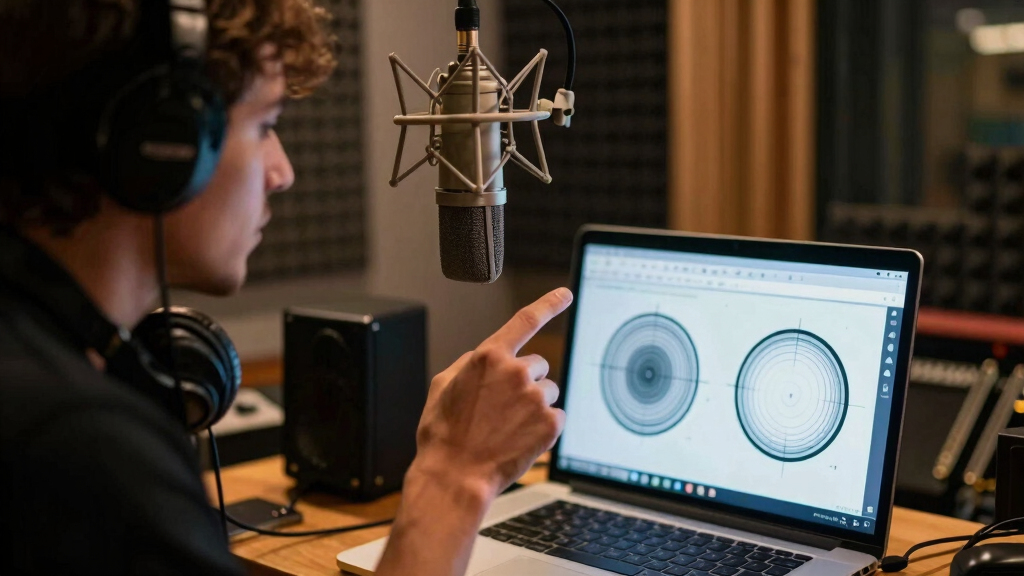
Think of a microphone’s polar pattern as its “listening zone”—the area where it picks up sound clearly. Cardioid microphones have a heart-shaped pickup pattern that focuses on what’s right in front of them, while supercardioid microphones narrow that focus even further.
In a typical scenario, a cardioid mic captures your voice while cutting down on side noise. Supercardioids go a step further, offering a tighter front focus but with a tiny “rear lobe” that’s sensitive behind the mic. This means they can pick up more of what’s behind them if you’re not careful.
For example, in a home setup where walls reflect sound, a cardioid will tend to pick up more room sound from the sides, but a supercardioid might isolate your voice better—if you place it right.
cardioid microphone for untreated rooms
As an affiliate, we earn on qualifying purchases.
As an affiliate, we earn on qualifying purchases.
How Do These Patterns Handle Room Reflections and Noise?
In untreated rooms, reflections bounce around—your voice hits the walls, ceiling, and floor, then comes back into the mic. Cardioid microphones are more forgiving here, because they reject sound from the sides and rear, reducing the chance of capturing echo.
Supercardioids, with their narrower front focus, can block more ambient noise, but their small rear lobe can also pick up unwanted reflections from behind if you’re not careful. For instance, if you record near a wall or corner, a supercardioid might pick up more echo from behind, defeating its purpose.
So, in a typical untreated space, a cardioid mic often provides a smoother, more manageable sound, while supercardioids demand precise placement.
supercardioid microphone with internal acoustic treatment
As an affiliate, we earn on qualifying purchases.
As an affiliate, we earn on qualifying purchases.
Comparison Table: Cardioid vs Supercardioid in Untreated Rooms
| Feature | Cardioid | Supercardioid |
|---|---|---|
| Focus on front source | Wide, heart-shaped | Narrower, tighter |
| Rejection of side noise | Good | Excellent |
| Rejection of rear noise | Limited | Some, but with rear lobe sensitivity |
| Sensitivity to room reflections | Less sensitive | More sensitive if rear lobe picks up reflections |
| Feedback risk | Lower | Higher, if placed too close to monitors |
| Best for untreated rooms | Yes | Yes, with careful placement |
As an affiliate, we earn on qualifying purchases.
Tips to Get Better Sound in Untreated Rooms Using These Patterns
- Place close to your source: Keep the mic within 6-12 inches. This reduces room sound and echoes.
- Use a pop filter or windscreen: It helps cut down on plosives and reduces stray noise.
- Position carefully: For supercardioids, avoid pointing the rear lobe at reflective surfaces like walls or windows.
- Employ simple acoustic shields: Even a makeshift shield behind the mic can block some reflections.
- Experiment with placement: Small shifts—like 2 inches—can dramatically cut room noise.
home recording microphone isolation shield
As an affiliate, we earn on qualifying purchases.
As an affiliate, we earn on qualifying purchases.
Can You Use These Patterns Effectively Without Acoustic Treatment?
Absolutely. While acoustic treatment helps, your choice of microphone pattern and placement can make a big difference. Cardioid microphones tend to be more forgiving because they naturally reject a lot of room sound from the sides and rear.
Supercardioids can work well if you position them correctly—aiming directly at you and away from reflective surfaces. For example, placing a supercardioid mic 8 inches from your mouth, pointed directly at your face, minimizes rear reflections.
In essence, smart placement and pattern choice go a long way—sometimes more than costly acoustic panels.
Frequently Asked Questions
Which microphone pattern is better for recording vocals in a noisy, untreated room?
A supercardioid can be more effective at isolating your voice from background noise, but only if you position it carefully—aimed directly at your mouth and away from reflective surfaces. Otherwise, a cardioid might be more forgiving in less controlled environments.Can I use a supercardioid mic without acoustic treatment in my home studio?
Yes, but you must place it precisely—close to your mouth and away from reflective walls. Using a windscreen or acoustic shield behind the mic helps prevent capturing unwanted reflections, making supercardioids viable even without room treatment.Why is feedback more common with supercardioid microphones?
Supercardioids have a small rear sensitivity lobe that can pick up sound from monitors or speakers behind them. If placed too close or aimed at monitors, they’re more prone to feedback compared to cardioids, which have better rear rejection.What’s the main advantage of using a cardioid over a supercardioid in untreated rooms?
Cardioids are generally more forgiving because they naturally reject sounds coming from the sides and rear, making them easier to use without extensive positioning or room modifications.Are there specific brands or models ideal for untreated spaces?
Many affordable cardioid microphones from brands like Audio-Technica or Rode perform well in untreated rooms. For supercardioids, look for models with internal shock mounts and tight patterns—these help isolate your voice better without extra room treatment.Conclusion
When working in untreated spaces, think of your microphone’s polar pattern as your first line of defense against echo and noise. Cardioids are the reliable workhorse—easy to position, forgiving, and effective in most scenarios. Supercardioids can give you extra isolation but demand careful placement. The best approach? Start close, aim well, and test what works best for your space. Your recordings will thank you.
Remember, even a tiny adjustment can make your voice clearer and your room less noisy. So get hands-on, experiment, and don’t be afraid to keep tweaking until it sounds right. After all, good sound isn’t about perfect gear—it’s about smart choices and a little patience.
Halloween Picks
halloween
As an affiliate, we earn on qualifying purchases.