TL;DR

Get audio and creator gear delivered free — and shop member deals
- Fast, free delivery on millions of items
- Access to Prime Big Deal Days deals on October 6–7
- Prime Video, Amazon Music and more included
Bonded cellular encoders combine multiple cellular signals to provide a stable internet connection for live IRL streaming. They’re essential for outdoor, remote, or unpredictable network environments, offering higher quality and fewer interruptions. As 5G expands, these devices become more powerful and accessible for creators of all levels.
Bonded cellular combines multiple network signals into one stable, high-bandwidth connection, reducing stream interruptions.
Modern bonded encoders support 2-6 SIM cards and integrate AI for optimized network management.
5G rollout makes bonded streaming faster, more reliable, and accessible for everyday creators.
Costs vary: hardware starts around $1,000, with ongoing data plans averaging $20-$50/month per carrier.
Testing your environment and having backup plans are essential for reliable live streams.
Bonded Cellular & Mobile Encoders
Turn several unpredictable connections into one resilient live stream. Bonding keeps video moving when a tower slows, a crowd arrives, or your route crosses uneven coverage.
SIMs or network paths commonly combined
Starting point for dedicated portable gear
Typical monthly plan range
Dependent on bandwidth, power and conditions
How bonding builds a steadier stream
Instead of trusting one connection, the encoder splits and routes video data across several paths. A cloud service or receiving endpoint reconstructs the feed before it reaches the streaming platform.
Capture
Your camera or phone supplies the live video and audio feed.
Encode
The mobile encoder compresses the feed into a streamable format.
Bond
Cellular, Wi-Fi and Ethernet paths share the upload workload.
Deliver
The unified feed reaches YouTube, Twitch, Facebook or another destination.
If one lane slows or closes, traffic shifts to the remaining lanes instead of stopping the broadcast.
Six features worth paying for
The best encoder is not simply the one with the most modems. Match the device to your route, expected stream length, audience interaction and tolerance for setup complexity.
Multi-carrier bonding
Supports several SIMs from different carriers so one congested network does not control your stream.
Automatic failover
Detects a weak path and redistributes data without requiring manual intervention.
Low latency
Keeps viewer comments, interviews and live reactions closer to real time.
Portable build
Compact, rugged hardware matters when walking, hiking or working inside a crowded venue.
Field-ready power
Built-in batteries and external power support prevent a stable connection from ending early.
Broad compatibility
Confirm camera inputs, codecs, resolutions and direct support for your preferred platform.
Phone app or dedicated encoder?
Software bonding offers an accessible starting point. Dedicated hardware adds the redundancy, thermal control, inputs and network management expected during longer or higher-stakes broadcasts.
| Decision factor | Single phone | Bonding app | Dedicated encoder |
|---|---|---|---|
| Multiple network paths | ✗ Limited | ✓ Yes | ✓ 2–6+ |
| Automatic failover | ✗ Minimal | ~ Varies | ✓ Advanced |
| Long-session stability | ~ Basic | ~ Moderate | ✓ Strong |
| Camera and audio inputs | ✗ Limited | ✗ Limited | ✓ Flexible |
| Setup simplicity | ✓ Easiest | ✓ Accessible | ~ Technical |
| Best fit | Short casual streams | Hobbyists and testing | Events and professional work |
Examples in the category include software tools such as Speedify and hardware ecosystems from LiveU, Teradek and TVU Networks.
Scale the setup to the stakes
More connections improve path diversity, but they also add SIM management and recurring data costs. Different carriers are usually more valuable than several SIMs sharing the same network.
Typical bonded configurations
Recurring data matters
From camera to audience
Reliability comes from the entire chain. Bonding cannot repair a drained battery, overloaded encoder or completely absent cellular coverage.
Clean video and audio
Compression and routing
Cellular, Wi-Fi, Ethernet
Reassembled stable feed
Smoother live experience
Higher bandwidth and lower latency enable richer streams, while modern network logic predicts disruption and shifts traffic before viewers notice.
Your field reliability plan
Bonded streaming works best when it is tested as a system. Walk the route, measure every carrier, rehearse failover and prepare a lower-bandwidth profile before the audience arrives.
Scout the environment
Test indoors, outdoors and along the actual route at the same time of day as the broadcast.
Diversify carriers
Use networks with different coverage patterns instead of duplicating the same point of failure.
Set a bitrate fallback
Prepare a lower-resolution profile for congestion, tunnels, rural areas or crowded festivals.
Pack power and backup
Carry batteries, cables and an alternate Wi-Fi or wired path whenever the location allows it.
The bottom line
Start with software bonding for low-risk experimentation. Move to dedicated hardware when missed moments, viewer drop-off or production commitments cost more than the encoder.
What is a bonded cellular encoder — and why does it matter?
At its core, a bonded cellular encoder combines multiple cellular data signals into one stable, high-bandwidth connection. Think of it as a traffic cop directing data traffic from several lanes — if one lane slows down or gets blocked, others step up. For IRL streamers, this means fewer dropped frames, less buffering, and a smoother live experience even in weak or fluctuating signals.
Say you’re streaming from a music festival. Your phone’s single LTE connection might struggle amid thousands of users. A bonded encoder, however, pulls in signals from multiple SIM cards or networks, then merges them into one reliable stream. It’s like having a private internet highway, built from several lanes of cellular traffic.
According to an anonymous researcher, bonded cellular can support HD and even 4K streams depending on network conditions and device power, making it a must-have for serious IRL streamers.
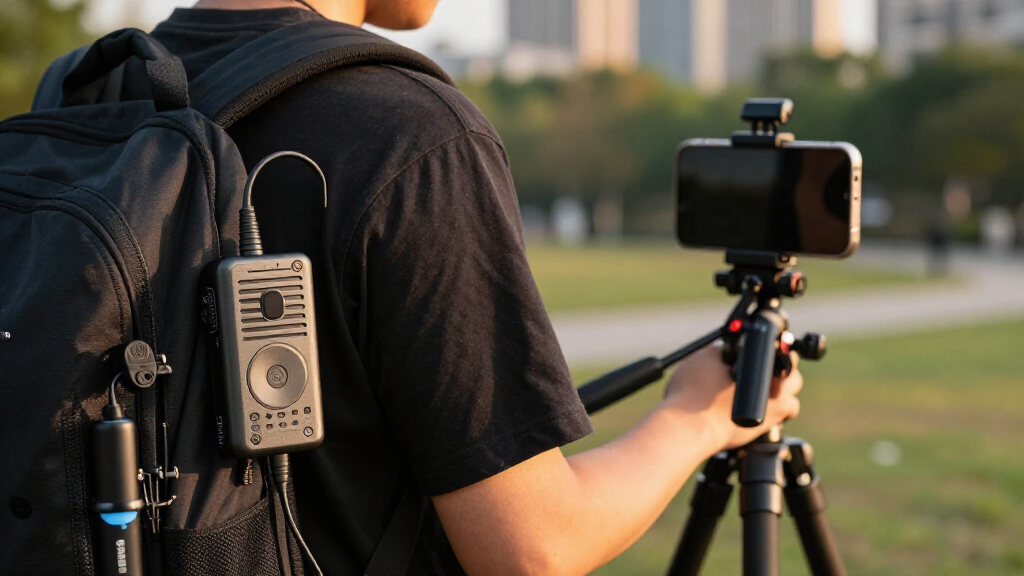
bonded cellular encoder for live streaming
As an affiliate, we earn on qualifying purchases.
As an affiliate, we earn on qualifying purchases.
How do bonded cellular encoders actually work?
- They connect to multiple cellular networks via SIM cards or built-in modems.
- The device aggregates these connections, combining their bandwidth into one stream.
- If one network weakens or fails, the encoder automatically switches or balances the load across other networks.
- The encoder sends a unified, stable feed to your streaming platform, reducing interruptions.
Picture it like blending several streams into one super-highway — if a lane closes, traffic just moves to another. This process keeps your video smooth, even in areas with patchy coverage. For example, a streamer in a rural area might use LTE and 5G simultaneously, ensuring their audience sees crisp footage without lag.
Modern devices like LiveU or Teradek Bond are designed to handle multiple connections seamlessly, with real-time network management. This tech is what keeps your stream alive when the cell towers get crowded or spotty.
portable mobile encoder for IRL streaming
As an affiliate, we earn on qualifying purchases.
As an affiliate, we earn on qualifying purchases.
What features make a bonded encoder worth your money?
- Multi-carrier bonding: Supports 2-6 SIM cards or networks for flexible coverage.
- Failover redundancy: Switches networks automatically if one drops.
- Low latency: Keeps your stream real-time, ideal for interactive sessions.
- Portability: Compact design for outdoor, on-the-move use.
- Built-in battery: Essential for all-day outdoor streaming.
- Compatibility: Works with popular streaming platforms and cameras.
Imagine a device that’s small enough to fit in your pocket but powerful enough to handle a live concert or a remote interview. That’s the promise of modern bonded encoders.
For example, the LiveU Solo offers multi-SIM support, seamless network switching, and a rugged build, making it popular among professional IRL streamers. Your choice depends on your budget, location needs, and how much technical control you want.
As an affiliate, we earn on qualifying purchases.
The recent boom in bonded cellular tech — what’s new?
As 5G networks roll out worldwide, bonded cellular streaming is getting faster and more reliable. Gone are the days of shaky, pixelated outdoor streams. Now, some devices support 5G, offering gigabit speeds and near-zero latency, even in crowded urban environments.
Plus, smaller, cheaper units have hit the market. Hobbyists and small creators can now access professional-grade bonding tech at a fraction of the cost. For instance, some software-based bonding solutions on smartphones or laptops now rival hardware devices, lowering the barrier for entry.
According to an anonymous industry insider, AI-driven network management helps devices predict disruptions and optimize connection use in real-time, further boosting reliability.
This tech evolution means more of us can broadcast from mountain trails, city rooftops, or festivals without a second thought about losing our signal.
As an affiliate, we earn on qualifying purchases.
How much does bonded cellular streaming really cost?
Costs vary depending on hardware, data plans, and your streaming needs. Entry-level portable devices like the Teradek Bond start around $1,000. Add in multiple SIM cards with flexible data plans, which can cost $20-$50 per month per carrier, depending on your usage and coverage area.
If you’re doing occasional streams, a prepaid SIM or a plan designed for hotspot use can keep costs manageable. For regular, high-quality broadcasting, expect to budget $50 to $200 monthly for data alone, plus initial hardware costs.
Many creators find that investing in a bonded encoder pays off in fewer interruptions, more audience engagement, and access to remote locations that would otherwise be impossible.
Can I use my phone for bonded streaming? Or do I need special gear?
Yes, some apps turn your smartphone into a bonded streaming device. Apps like Speedify or Marti allow bonding multiple cellular connections on your phone, making it a flexible, low-cost option.
But there’s a catch. Dedicated hardware bonded encoders often deliver more stability, lower latency, and better quality because they’re built for continuous, high-bitrate streaming. They also support multiple SIMs easily and handle network switching more smoothly.
For example, a hobbyist might use a bonded app during a short outdoor event, but a professional streamer covering a live concert or sports event will prefer dedicated hardware for reliability and peace of mind.
What challenges should you expect with bonded cellular tech?
Bonded streaming isn’t magic. It depends heavily on cellular signals, which can vary wildly indoors, in tunnels, or in remote areas. Data costs also add up faster than you might think, especially with 4G or 5G plans used heavily during long streams.
Device complexity is another factor. Setting up multiple SIM cards, configuring network priorities, and troubleshooting signal drops can be daunting for beginners.
For example, a streamer once found their signal dropping during a mountain hike because one network lost coverage. Testing your setup beforehand and having backup plans, like a wired internet or a portable Wi-Fi hotspot, can save you from a disaster.
Will bonded cellular work indoors or in poor coverage areas?
Bonded cellular performs best outdoors, on the move, or in areas with good cellular signals. Indoors or in rural spots with weak signals, it can struggle. Combining Wi-Fi, wired internet, and bonded cellular can help, but coverage remains the key factor.
For instance, a streamer in a hotel lobby with strong Wi-Fi and LTE might do well. But in a basement or mountain valley, even bonded tech might falter without additional backup options.
Testing your environment beforehand is critical. Know your signal strengths and plan accordingly.
How do you keep your stream stable during live events?
- Use multiple network sources — combine Wi-Fi, cellular, and wired connections.
- Test your setup in the actual environment before going live.
- Have backup internet options, like a portable hotspot or wired connection.
- Configure your encoder to prioritize stable networks and enable failover features.
- Monitor your stream continuously and be ready to switch sources manually if needed.
Imagine a streamer at a parade, watching their signal bounce between LTE and Wi-Fi, switching seamlessly when one falters. That’s the power of good setup and preparation.
Frequently Asked Questions
Can I set up bonded cellular streaming on a budget?
Absolutely. Start with a smartphone bonding app or a portable hotspot with multiple SIMs. As you grow, investing in dedicated hardware becomes worthwhile for stability and quality.How do I choose the right bonded encoder for my needs?
Consider your budget, typical locations, and desired video quality. Look for features like multi-SIM support, failover, portability, and platform compatibility. Reading reviews and testing in your environment helps a lot.Is bonded cellular streaming suitable for live sports or high-stakes events?
Yes, when configured properly with multiple networks and backup options. However, always test thoroughly, and have a backup plan like wired internet or a second device ready to go.What’s the biggest mistake new IRL streamers make with bonded cellular?
Underestimating signal variability and data costs. Test your setup in real-world conditions and monitor your data usage to avoid surprises during a critical broadcast.Conclusion
Bonded cellular and mobile encoders are transforming the way creators broadcast from anywhere. As cellular tech advances, so does your ability to share real-time moments without worry. The key? Prepare, test, and always have a backup. Your audience will thank you for it.Fall Picks
fall essentials
As an affiliate, we earn on qualifying purchases.