
TL;DR

Get audio and creator gear delivered free with Prime
- Fast, free delivery on millions of items
- Prime Video, Amazon Music and more included
- Member-only deals all year
In noisy apartments, dynamic microphones excel at rejecting background noise, making them ideal for voice recordings. Condenser mics offer detailed sound but pick up more ambient noise, so they need extra treatment. Combining the right mic with acoustic tricks can significantly improve your results.
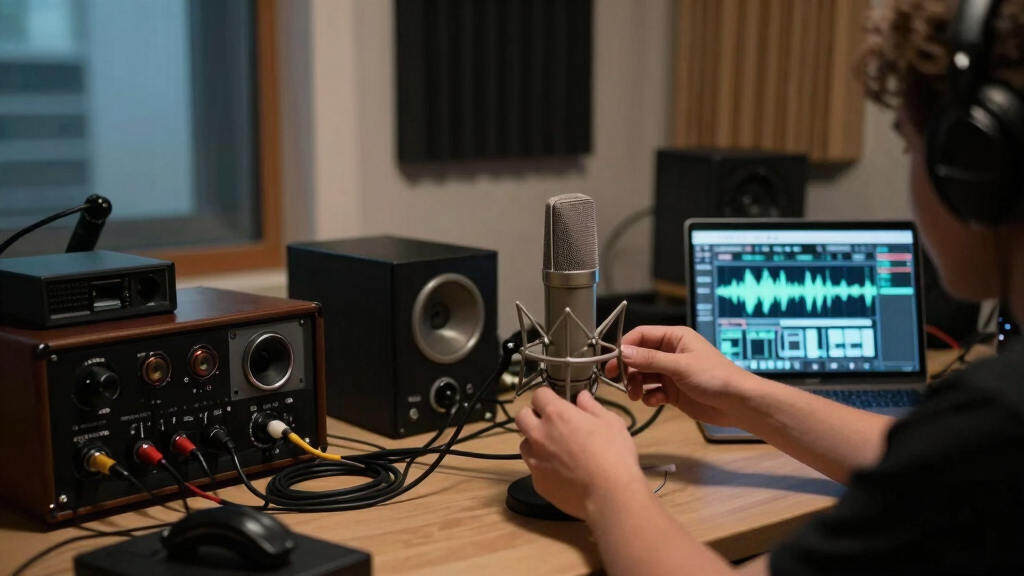
If you’re recording in a noisy apartment, your microphone choice isn’t just about sound quality—it’s about what can survive the chaos around you.
Most people assume studio gear is best, but in a real-world, budget-conscious setup, the right microphone can make all the difference. Today, we’ll compare dynamic and condenser mics, breaking down which one helps you get clear recordings without noise ruining the take.
Dynamic microphones with cardioid patterns are your best bet for rejecting background noise in a noisy apartment.
Position your mic close to your mouth—about 2-3 inches—to minimize ambient sounds.
Adding portable acoustic treatment like reflection filters boosts your chances of clean recordings.
Condenser mics can work with extra soundproofing and post-processing, but they’re less forgiving in noisy environments.
Using software noise reduction tools helps clean up recordings made in less-than-ideal spaces.
Dynamic vs Condenser in a Noisy Apartment
Your microphone choice is not only about pristine sound. It is about what can survive traffic, air conditioning, barking dogs and thin walls. For most untreated apartments, a close-positioned cardioid dynamic microphone is the clearest route to a usable take.
Choose dynamic first.
Lower sensitivity, close working distance and directional pickup help keep the voice forward while apartment noise falls away.
Two microphones, two very different listening styles
A dynamic microphone behaves like a tight spotlight. A condenser behaves more like a wide, sensitive lens. The extra detail of a condenser is valuable only when the room is quiet enough to deserve it.
Dynamic microphone
Lower sensitivity and close placement prioritize the source directly in front of the capsule. Rugged, affordable and usually free from phantom-power requirements.
Condenser microphone
High sensitivity and a wide frequency response reveal vocal texture and instrument nuance—but also room reflections, fans, traffic and distant conversations.
What happens when the room gets loud?
The microphone does not magically erase noise. The winning setup combines lower sensitivity, a directional pattern, close placement and sensible gain to improve the voice-to-room ratio before editing begins.
| Feature | Dynamic microphone | Condenser microphone | Apartment impact |
|---|---|---|---|
| Sound sensitivity | ✓ Lower — favors close sound | ~ High — captures nuance | Lower sensitivity is easier to manage |
| Ambient rejection | ✓ Excellent | ✗ Limited | Less traffic, HVAC and room tone |
| Room treatment | ✓ Helpful, not essential | ✗ Often necessary | Condenser setups need more support |
| Power requirement | ✓ Usually none | ~ Phantom power | Dynamics simplify budget setups |
| Durability & cost | ✓ Rugged, affordable | ✗ More fragile | Better fit for busy, cluttered rooms |
| Best environment | Noisy, uncontrolled spaces | Quiet, treated studios | Dynamic wins the apartment |
Build a cleaner signal in six moves
The strongest noise reduction happens before you press record. Each step improves the source-to-noise ratio, leaving less repair work for software.
Pick dynamic
Choose a cardioid model such as an SM58 or ATR2100x.
Get close
Keep the capsule about two to three inches from your mouth.
Aim the null
Point the least-sensitive side toward the loudest noise source.
Add softness
Use curtains, blankets, pillows or a reflection filter.
Test & adjust
Record room tone and reposition before the full take.
Clean lightly
Finish with a gate, filter or careful AI noise reduction.
Make the room work with you
A microphone is only one part of the chain. These low-cost changes reduce reflections and distractions without turning a rental into a construction project.
Choose cardioid
It focuses on the front and rejects more sound from behind. Hypercardioid can narrow the pickup further, but placement becomes more critical.
Turn away from noise
Place the microphone so its rejection zone faces the television, window, fan or computer tower.
Record near softness
Curtains, clothing, duvets and upholstered furniture absorb reflections that hard walls send back into the capsule.
Add a sound shield
A portable reflection filter can reduce nearby reflections. It helps most when combined with close microphone placement.
Find the quiet window
Switch off fans and appliances, close windows and record when street and neighbor activity are at their lowest.
Use a light touch
Noise gates, high-pass filters and AI cleanup can help, but aggressive processing may create metallic or choppy speech.
Shure SM58
Rugged cardioid dynamic microphone; a reliable choice for close vocals and spoken-word recording.
Audio-Technica ATR2100x
Cardioid dynamic design with convenient USB and XLR connectivity for flexible apartment setups.
The clarity chain
Clean apartment audio comes from connected decisions. Improve the earliest links and every later stage becomes easier.
Common apartment-recording questions
Can I record vocals without a studio?
Yes. Use a cardioid dynamic microphone, stay close to it and surround the recording position with soft, absorptive materials.
Is a condenser useless in a noisy room?
No, but it is less forgiving. Use a tight directional pattern, extra treatment and careful noise reduction to control what it captures.
What is the cheapest useful upgrade?
Improve placement first. Moving a dynamic microphone to within two or three inches often matters more than buying expensive accessories.
USB or XLR for noisy environments?
The connector does not reject noise. Pattern, microphone type and placement matter more, though XLR dynamics offer a flexible upgrade path.
Pick the mic that survives the room.
For a noisy apartment, start with a rugged cardioid dynamic microphone, keep it close and use simple acoustic treatment. Choose a condenser only when added detail is worth the extra room control and editing.
Room second
Software last
Why Your Microphone Choice Matters More Than You Think
In a noisy apartment, the microphone you pick can either drown out background sound or amplify every creak, siren, or neighbor’s shout. Dynamic microphones are built like tanks, designed to focus on your voice while shrugging off the racket around you. Condenser mics, on the other hand, act like sensitive ears—great in quiet, but prone to catching every sound in the room.
Imagine recording a podcast while your neighbor’s dog barks or your air conditioner drones. A dynamic mic’s tight pickup pattern and sturdy build help keep those distractions out of your audio. Conversely, a condenser mic might pick up that noise and make editing a nightmare.
dynamic cardioid microphone for noisy environments
As an affiliate, we earn on qualifying purchases.
As an affiliate, we earn on qualifying purchases.
How Dynamic and Condenser Mics Handle Noise – The Real Difference
| Feature | Dynamic Microphone | Condenser Microphone |
|---|---|---|
| Sound sensitivity | Lower; focuses on close sound source | High; captures detailed nuances |
| Background noise rejection | Excellent; minimizes room sounds | Poor; picks up everything around |
| Durability & Cost | More durable, cheaper | Fragile, usually more expensive |
| Ideal environment | Chaotic, noisy spaces | Quiet, controlled studios |
For recording in a noisy apartment, a dynamic mic’s ability to block out background noise is a major advantage. It’s like having a sound shield wrapped around your voice, even when your environment is far from silent.
soundproof reflection filter for microphones
As an affiliate, we earn on qualifying purchases.
As an affiliate, we earn on qualifying purchases.
Real-World Tip: Use Directional Patterns to Cut Noise
Choosing a microphone with a cardioid or hypercardioid pattern can make a huge difference. These focus on sounds directly in front of them, rejecting what’s behind or to the sides. For example, an Audio-Technica ATR2100x with a cardioid pattern can block out a nearby street’s honking or your roommate’s loud TV.
Position it close to your mouth. The closer you are, the less room noise sneaks in. Think of it like whispering into a funnel—more focus, less background.
best microphone for apartment recording
As an affiliate, we earn on qualifying purchases.
As an affiliate, we earn on qualifying purchases.
Why Condenser Mics Still Have a Place in Noisy Environments
Condenser microphones are known for their crystal-clear sound and wide frequency response. They’re perfect for capturing vocals or acoustic guitar in a controlled studio. But in a noisy apartment? They need some help.
If you want to use a condenser in a busy space, pair it with soundproofing tricks—like reflection filters, foam panels, or even a portable booth. Also, employing software noise reduction tools during editing can help clean up the recordings.
A good example: you record a vocal track with a condenser mic in your closet (where it’s less noisy). Then, you use post-processing to cut remaining background sounds. It’s a balancing act, but doable.
noise reduction microphone accessories
As an affiliate, we earn on qualifying purchases.
As an affiliate, we earn on qualifying purchases.
Practical Setup for the Noisy Room: Step-by-Step
- Pick a dynamic mic with a cardioid pattern—something like the Shure SM58.
- Place it close to your mouth—about 2-3 inches for vocals.
- Use a reflection filter or a portable sound shield behind the mic.
- Position in a corner or against a wall to help absorb room echoes.
- Record a short test, then listen. Adjust mic position until background noise is minimized.
- If using a condenser, add soundproofing and consider noise reduction software afterward.
This simple setup can turn your noisy space into a surprisingly good recording spot.
Quick Comparison: Will It Be Clear or Noisy?
- Dynamic Microphone: Best for noisy environments. Focuses on your voice, blocks out most ambient sounds.
- Condenser Microphone: Best for studio-quality recordings. Sensitive, captures detail but prone to background noise.
- For apartment recording, a dynamic mic with a tight pickup pattern saves time and frustration.
What’s the Best Budget Mic for a Noisy Space?
If you’re pinching pennies but still want decent quality, consider the Shure SM58 or Audio-Technica ATR2100x. Both are rugged, affordable, and have cardioid patterns that reject noise.
They’re not perfect, but they’re miles ahead of using a condenser mic without proper treatment. Plus, they don’t need fancy power supplies or fragile parts—perfect for a busy, cluttered room.
Final Tips: Make Your Noise Work for You
Don’t just rely on your microphone. Use your environment. Record near soft surfaces like blankets or curtains—these absorb echoes and reduce reflected noise.
Experiment with positioning—sometimes facing a corner or hiding behind a stack of pillows makes your voice pop out clearer.
And during editing, use noise gates, filters, or AI tools to clean up stray sounds. It’s about combining tools, not just relying on one.
Frequently Asked Questions
Can I record vocals in a noisy apartment without a fancy studio?
Absolutely. Use a dynamic microphone with a cardioid pattern, keep it close to your mouth, and add some portable soundproofing. These steps can dramatically improve your sound quality, even amid the chaos.Is a condenser microphone useless in a noisy space?
Not useless, but less ideal. Condensers pick up more ambient noise. If you want to use one, combine it with soundproofing and noise reduction software for best results.What’s the cheapest way to get decent sound in a cluttered room?
Invest in a sturdy dynamic mic like the Shure SM58, position it close to your source, and add soft materials around your recording spot. It’s a practical, budget-friendly fix.Should I buy a USB or XLR microphone for noisy environments?
USB mics are convenient and can be good with directional patterns, but they don’t inherently block noise. An XLR dynamic mic with good placement and sound treatment often performs better in noisy spaces.Conclusion
In a noisy apartment, your microphone choice isn’t just about sound quality—it’s about what can survive the chaos around you. A rugged, directional dynamic mic is often the best investment for clear, focused recordings without endless editing.
Remember, treating your space with simple acoustic tricks and close-miking can turn your cluttered corner into a surprisingly good studio. So pick the right gear, get close, and keep your environment in mind. Your audience will thank you for the clarity.
Fall Picks
fall essentials
As an affiliate, we earn on qualifying purchases.