
TL;DR
Open a free Amazon Business account
Business pricing, bulk buying and tax-exempt orders.
Create a free accountAs an affiliate, we earn on qualifying purchases.
Softboxes produce softer, more controlled light, ideal for portraits. Umbrellas are quick, portable, and budget-friendly, perfect for general use. Your choice depends on your needs and space.
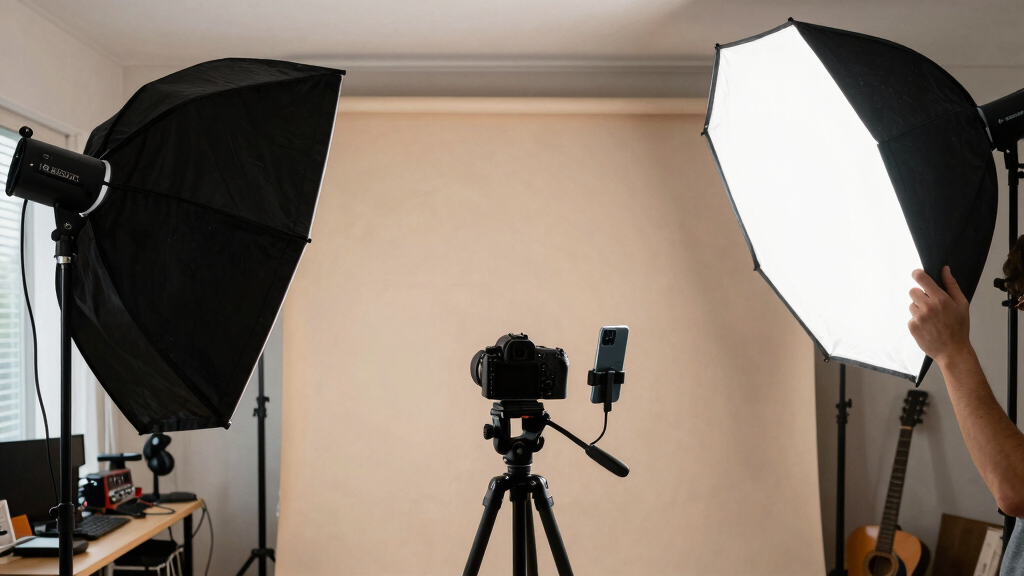
Lighting can make or break your home videos. Yet, the choice between a softbox and an umbrella often trips up beginners. You might wonder which one gives you better control, softer light, or easier setup. The truth is, both have their strengths—and knowing what each does best can save you time, money, and frustration.
In this guide, I’ll break down the core differences, practical tips, and real-world scenarios. Whether you’re shooting a quick interview or trying to get that perfect soft glow, understanding these modifiers will help you light smarter, not harder.
Larger softboxes (24"+) produce 30% softer light, ideal for flattering portraits and close-ups.
Umbrellas are faster and more portable, perfect for quick shoots and outdoor setups.
Control over spill is better with softboxes—use grids or flags for precision.
Budget-wise, umbrellas are cheaper upfront but softboxes last longer and offer more durability.
Mixing both can give your videos a professional edge in different scenarios.
Softbox vs Umbrella Modifiers
Light smarter, not harder. Softboxes create flattering, controlled illumination for portraits and interviews. Umbrellas trade some precision for speed, portability, and a lower entry price. The right choice depends on your subject, schedule, and shooting space.
Shapes light, limits spill, and delivers a polished portrait look.
Opens in seconds and spreads broad light across a room.
Softbox for the key light; umbrella for fill or background light.
Two routes to softer light
Both modifiers enlarge the apparent light source, reducing hard shadows. Their defining difference is where that softened light goes: a softbox contains and directs it, while an umbrella distributes it broadly.
Softbox
A reflective enclosure sends light through a front diffusion panel, producing an even, window-like source with clean directionality.
- Flattering wrap for faces and close-ups
- Defined rectangular or square catchlights
- Compatible with grids, flags, and layered diffusion
- A 24-inch model works well around three feet from a subject
Umbrella
A reflective or translucent canopy spreads light across a wide area. Shoot-through versions transmit light; reflective versions bounce it back.
- Fast, beginner-friendly deployment
- Broad illumination for rooms and backgrounds
- Lightweight enough for mobile setups
- More spill onto walls and nearby surfaces
What changes on camera?
The softbox wins where finesse matters. The umbrella wins when getting a usable result quickly matters more than precisely sculpting every highlight and shadow.
| Feature | Softbox | Umbrella |
|---|---|---|
| Light softness | Very soft and even | Soft, broader spread |
| Spill control | Precise, especially with a grid | Light scatters widely |
| Setup speed | Usually 5–10 minutes | Often under 2 minutes |
| Portability | Collapsible but bulkier | Lightweight and compact |
| Durability | Sturdy long-term option | Thin shafts can bend |
| Typical use | Portraits, products, interviews | Fill, backgrounds, quick shoots |
| Starting cost | About $50–$100 | About $20–$30 |
Control and convenience pull in opposite directions
These relative scores visualize the practical tradeoff for a typical home-video setup. They are directional ratings, designed to make the decision pattern immediately visible.
Relative strengths
Longer bars indicate a stronger fit for the attribute.
From modifier choice to finished frame
A modifier affects more than brightness. Its shape and placement influence spill, facial contrast, background separation, and ultimately how professional the shot feels.
Choose the source
Start with a compatible LED or other continuous light.
Enlarge the light
Use modifier size and subject distance to set softness.
Control the spill
Add a grid or flag, or reposition a broad umbrella.
Refine the frame
Check skin highlights, eye catchlights, and background exposure.
Match the modifier to the job
There is no universal winner. The best modifier is the one that supports the look you need without creating friction in the space and schedule you actually have.
Interview or close-up
Shape flattering light around the face while keeping unwanted brightness off walls and backgrounds.
Pick: 24-inch-plus softboxVlog or quick update
Get broad, usable illumination without losing several minutes to assembly and fine adjustment.
Pick: shoot-through umbrellaTabletop demonstration
Control reflections and direct attention toward the product with a more defined light source.
Pick: gridded softboxRoom or background fill
Spread light across a larger area where precision matters less than smooth, efficient coverage.
Pick: reflective umbrellaOutdoor creator shoot
Travel light and deploy quickly, but secure the stand carefully because umbrellas catch wind.
Pick: compact umbrellaTwo-light home studio
Combine a controlled key with a broad fill or background source for depth and flexibility.
Pick: softbox + umbrellaThe simple buying rule
Control: softbox.
Convenience: umbrella.
Choose a softbox when portraits, interviews, products, and consistent results are the priority. Choose an umbrella when budget, portability, broad coverage, or setup speed comes first. If your work varies, use the softbox as the key and the umbrella as fill.
Five points to remember
Go larger for softness: a 24-inch-plus modifier creates smoother facial transitions and more flattering close-ups.
Umbrellas win on speed: they open quickly, pack small, and suit last-minute or mobile shoots.
Softboxes control spill: grids and flags make it easier to keep light exactly where it belongs.
Think beyond upfront cost: umbrellas are cheaper, while sturdy softboxes can offer better long-term value.
A mixed kit is versatile: use controlled light on the subject and broad light for fill or the background.
What exactly is a softbox, and why does it matter?
A softbox is a rectangular or square box with a reflective interior and a diffusion panel at the front. It creates a controlled, soft light that wraps around your subject. Imagine a window with sheer curtains—soft, even, and flattering.
For home video, softboxes excel in portrait shots or close-ups where you want your subject’s face to glow without harsh shadows. They’re a favorite for creating a professional look on a budget.
For example, a 24″ softbox placed 3 feet from your subject produces a gentle, wrap-around light that minimizes skin imperfections and produces a pleasing catchlight in the eyes.
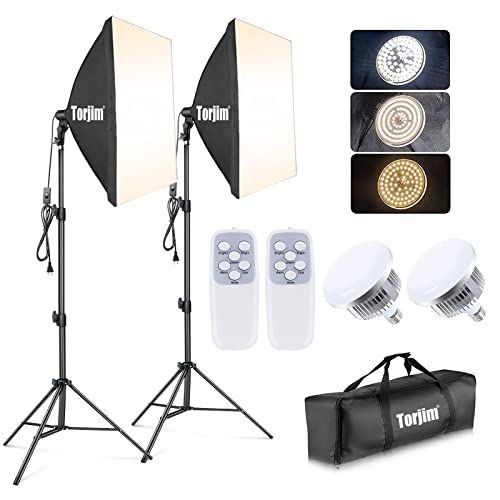
Torjim Softbox Photography Lighting Kit, 2Pcs 27" x 27" Professional Soft Box | 3000K-7500K 85W LED Bulbs with Remote, Photography Continuous Lighting Kit for Studio Lights, Portrait, Video Recording
- Wide Coverage Softbox: Inner nylon reflector and removable diffuser
- Energy Saving Bulbs: 85W, 6000-hour lifespan, saves up to 80% energy
- Consistent Daylight Color: 7500K color temperature for balanced white light
As an affiliate, we earn on qualifying purchases.
As an affiliate, we earn on qualifying purchases.
Why are umbrellas so popular for home videos?
Umbrellas are essentially large reflective or shoot-through sheets that spread light evenly. They open up like a giant, shiny flower—simple, quick, and effective. A reflective umbrella bounces light from your flash or continuous light source, while a shoot-through transmits light through a translucent fabric.
They’re the go-to for creators who want fast setup and portability. For example, a reflective umbrella mounted on a stand can be opened in seconds, then directed at your subject for a broad, soft glow.
Many beginners use umbrellas because they cost less and are easier to carry around, especially when space is tight.

EMART Photography Umbrella, 400W 5500K Lighting kit for Vedio, Studio 1Pack
- Lighting Kit Includes: Bulb, Umbrella, Stand, Holder
- Powerful Photo Bulb: 45W CFL, 200W equivalent, 5500K
- Soft Daylight Illumination: Provides professional-quality lighting
As an affiliate, we earn on qualifying purchases.
As an affiliate, we earn on qualifying purchases.
How do softboxes and umbrellas compare in light quality?
| Feature | Softbox | Umbrella |
|---|---|---|
| Light softness | Produces very soft, even light with minimal hotspots | Creates soft light but slightly broader and less controlled |
| Control over spill | More precise, especially with grids or flags | Less controlled, more spill due to broad spread |
| Ideal for | Portraits, close-ups, professional-looking interviews | General lighting, background illumination, quick setups |
Understanding these differences matters because the quality of light directly impacts the mood, professionalism, and clarity of your videos. Softboxes, with their ability to produce a highly controlled, diffuse light, are better suited for situations where you want to sculpt the light precisely around your subject—minimizing unwanted shadows and skin imperfections. This control over light spill allows you to focus attention exactly where you want it, creating a polished, studio-like look even in a home environment.
In contrast, umbrellas, while still capable of producing soft light, tend to scatter light over a broader area with less precision. This can lead to unwanted spill onto walls or background elements, which might require additional flags or barn doors to manage. The broader, less controlled light is excellent for filling large spaces or creating a more relaxed, ambient feel, but it sacrifices some finesse in control. Knowing these tradeoffs helps you decide which modifier aligns better with your goals—whether that’s achieving a professional portrait or a quick, well-lit scene.
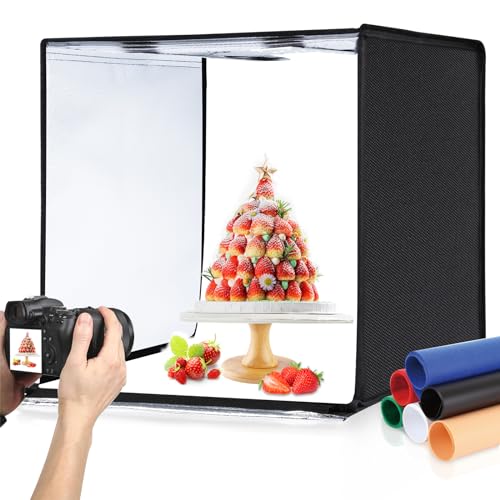
PULUZ Light Box Photography, 24×24 inch Large Photo Studio Light Box, Professional Dimmable Photo Booth with 120 LED Lights & 6 Backdrops for Jewelry and Food Items Product Photography
- Adjustable Brightness and High CRI: 120 LED beads with stepless dimming and 95+ CRI
- Generous 24×24 Inch Size: Suitable for various product photography needs
- Quick and Easy Assembly: Folds in 5 seconds without tools
As an affiliate, we earn on qualifying purchases.
As an affiliate, we earn on qualifying purchases.
Setup speed: softbox vs umbrella — which wins?
If you’re in a hurry, umbrellas usually take the prize. Opening a collapsible umbrella and attaching it to a stand takes less than a minute. Softboxes, especially larger ones, require more steps—assembling frames, attaching diffusion, and positioning.
For example, during a last-minute shoot, I’ve seen creators set up an umbrella in under 2 minutes, while a softbox might take 5-10 minutes to get right.
So, if quick setup wins your day, umbrellas are your best bet. But if you want more control and consistent results, softboxes are worth the extra few minutes.
Understanding these practical differences is essential because it influences how quickly you can adapt to changing conditions or tight schedules. While umbrellas excel in speed, softboxes provide a more reliable and customizable lighting environment, which can be crucial for achieving a consistent professional look over multiple shoots.
EMART Photography Umbrella, 400W 5500K Lighting kit for Vedio, Studio 1Pack
- Lighting Kit Includes: Bulb, Umbrella, Stand, Holder
- Powerful Photo Bulb: 45W CFL, 200W equivalent, 5500K
- Soft Daylight Illumination: Provides professional-quality lighting
As an affiliate, we earn on qualifying purchases.
As an affiliate, we earn on qualifying purchases.
Portability and durability — what should you pick?
Umbrellas are lightweight, fold flat, and fit into small bags. They’re perfect for mobile setups or tight spaces. Softboxes are bulkier, but many models fold down into manageable sizes and use sturdy frames that last years with proper care.
For example, a collapsible 24″ softbox might weigh 3 pounds and pack into a small bag, while a reflective umbrella weighs less than a pound and fits in your pocket.
If you move around a lot or shoot outdoors, umbrellas’ portability can save your back. Yet, softboxes, with their sturdiness, tend to last longer if you’re careful.
Choosing between them depends on your mobility needs and environment. If frequent setup and teardown are part of your workflow, the lightweight, compact nature of umbrellas makes them more practical. However, investing in a durable softbox can pay off over time, especially if you prioritize consistent, high-quality lighting that withstands repeated use and transport.
Cost comparison: softbox or umbrella — what’s the deal?
Budget-wise, umbrellas often cost less. A decent umbrella setup can start around $20, while a basic softbox kit runs $50-$100. The difference adds up, especially if you’re just starting out or working on a tight budget.
However, consider longevity. Softboxes tend to hold up better over time, making them a smarter investment if you plan to shoot regularly. The durability and quality of light they offer often justify the higher initial cost, especially as you upgrade your setup.
For example, I’ve seen creators buy cheap umbrellas for under $30 and get years of service. Meanwhile, cheaper softboxes sometimes need replacement diffusers or frames after a year or two. The long-term savings and improved quality can make softboxes more economical in the long run, despite the higher upfront cost.
When should you pick a softbox? When is an umbrella enough?
Choose a softbox when you need controlled, flattering light—like for interviews, portrait videos, or product shots. It’s worth the extra setup time for that professional glow. The ability to shape and direct light precisely makes softboxes indispensable for scenarios where image quality and subtlety matter most.
An umbrella works well if you want quick results, portability, or are working in a tight space. For example, if you’re filming a quick TikTok or YouTube vlog outdoors, an umbrella can give you soft light fast. Its simplicity allows for rapid deployment, which is essential when time is limited or conditions change quickly.
Think about your environment, subject distance, and how much control you want. Both can be part of your toolkit, but understanding their strengths and limitations helps you choose the right tool for each situation, ensuring your lighting supports your creative goals effectively.
Tips for getting the most out of your lighting modifiers
- Position your light at about a 45-degree angle for natural, pleasing shadows.
- Use a grid on your softbox to prevent spill and focus light where you want it.
- For umbrellas, keep the reflective surface away from walls or ceilings to avoid unwanted bounce.
- Experiment with distance—closer means softer, more diffuse light.
- Combine modifiers—use an umbrella for background fill and a softbox for your main shot.
Frequently Asked Questions
Is a softbox better than an umbrella for indoor interviews?
Generally, yes. Softboxes produce more controlled, flattering light ideal for close-up interviews. They help minimize shadows and skin imperfections, creating a polished look.Can I use an umbrella outside in windy conditions?
Reflective umbrellas are lightweight and portable but can be tricky in wind—they tend to blow around. For outdoor shoots, consider using sandbags or weight to stabilize them, or opt for softboxes with sturdy stands.Which is more budget-friendly for a beginner?
Umbrellas are usually cheaper upfront—starting as low as $20—making them a great first choice. Softboxes cost a bit more but last longer and give more control, making them a better long-term investment.How do I prevent light spill with softboxes?
Use grids or barn doors to focus light and block spill. Position your softbox carefully, close to your subject, and adjust angles for precise lighting.Can I combine softboxes and umbrellas in one setup?
Absolutely. Many creators switch between them depending on the scene—using a softbox for main lighting and an umbrella for background or fill light. Mixing gives versatility and a more professional look.Conclusion
Picking the right modifier isn’t just about cost or setup speed. It’s about what your videos need—whether that’s soft, controlled light or quick, broad illumination. Both tools have their place, and knowing when to use each turns your home videos from amateur to engaging.
Remember, your lighting setup should serve your creative style and environment. Don’t shy away from experimenting with both—your best shot at professional-looking videos might be just a softbox or umbrella away.
Flea & tick season Picks
flea and tick prevention
As an affiliate, we earn on qualifying purchases.