
TL;DR

Get audio and creator gear delivered free with Prime
- Fast, free delivery on millions of items
- Prime Video, Amazon Music and more included
- Member-only deals all year
Phantom power can damage traditional ribbon microphones because their fragile ribbons aren’t built for that voltage. Always verify your mic’s specs and turn off phantom power when connecting or disconnecting ribbon mics to prevent costly damage.
You’ve probably heard that phantom power is a standard feature in most professional audio gear, but it’s not a one-size-fits-all solution. For ribbon microphones, that 48V can be a one-way ticket to a costly repair. Many don’t realize that a simple mistake—leaving phantom on—can turn a prized vintage ribbon into a paperweight.
This guide shows you exactly why phantom power can damage certain ribbon mics, how to identify which mics are safe, and what practical steps you should take to protect your gear without sacrificing sound quality. Whether you’re a podcaster, home studio builder, or live sound engineer, understanding this risk saves you money and frustration.
Always check your ribbon mic’s specs before applying phantom power—many vintage models aren’t built for it.
Turn off phantom power before connecting or disconnecting ribbon mics to prevent damage.
Modern ribbon mics often include internal protection circuitry—look for this feature if you record professionally.
Use inline resistors or transformers if you frequently work with unprotected ribbon mics—cheap insurance.
If unsure, consult the manufacturer or stick with passive mics for safety in casual settings.
What Is Phantom Power, and Why Is It Usually Safe?
Phantom power is a way to send 48 volts DC through the same cable that carries your microphone’s audio signal. It’s designed for condenser mics, which need that extra juice to power their internal electronics. When used correctly, it’s a silent workhorse—no noise, no fuss.
But that same voltage, if applied to a ribbon mic not built for it, can be a disaster. Think of a fragile glass ornament exposed to a sudden jolt—most will break. That’s what phantom power can do to an unprotected ribbon’s delicate metal ribbon.
For condenser mics, phantom power is essential and safe because their internal circuitry is designed to handle it. The circuitry often includes components that regulate voltage and protect sensitive electronics. This compatibility is why phantom power is considered standard for condensers but potentially dangerous for ribbons. The key implication here is that understanding your microphone’s design and specifications is crucial—what’s safe for one type may be harmful to another. Using phantom power without this knowledge risks damage that can be costly and irreversible, highlighting the importance of proper identification and handling.
inline resistor for ribbon microphone
As an affiliate, we earn on qualifying purchases.
As an affiliate, we earn on qualifying purchases.
Why Do Ribbon Mics Usually Need Caution With 48V?
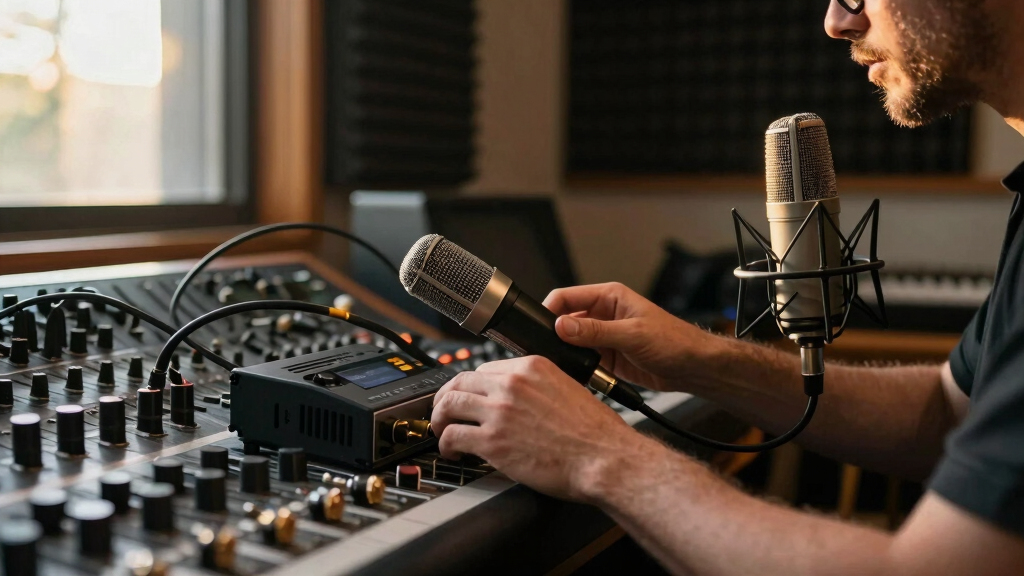
Ribbon microphones use a thin strip of metal suspended in a magnetic field to turn sound into electrical signals. It’s a simple but sensitive design. Because the ribbon is so thin and fragile, applying 48V directly can stretch or tear it apart.
Many vintage or budget ribbon mics lack internal protection. So, when phantom power is accidentally left on, it’s like giving a tiny, delicate leaf a shock—more likely to rip than carry a signal. This vulnerability isn’t just about immediate damage; it also affects long-term reliability. Repeated exposure to phantom power can weaken the ribbon over time, making the mic more prone to failure even under normal use. The tradeoff here is between affordability and durability—many budget ribbons are more susceptible because they lack internal safeguards. Modern designs aim to mitigate this risk, but the fundamental physical fragility remains. Recognizing this helps users appreciate why careful handling and proper setup are essential, especially with older or less protected models. It underscores the importance of understanding your mic’s internal protection features and the risks involved in using phantom power without verifying compatibility.
The physical vulnerability of the ribbon isn’t just a technical detail—it directly impacts the longevity and performance of your microphone. Damage from phantom power can be sudden and catastrophic, leading to costly repairs or replacement. Therefore, knowing whether your mic has internal protection isn’t just a technicality; it’s a safeguard for your investment and your sound quality.
professional ribbon microphone with internal protection
As an affiliate, we earn on qualifying purchases.
As an affiliate, we earn on qualifying purchases.
How to Spot a Ribbon Mic That Can Handle 48V
Some ribbon mics are designed with protection against phantom power. Usually, the manufacturer will specify if it’s safe for 48V. Look for terms like “phantom power compatible” or “active ribbon.”
For example, a modern ribbon mic costing over $300 often includes internal circuitry that makes it safe for phantom power. But a vintage RCA or a budget model from 20 years ago probably isn’t.
Always check the specs or ask the seller. When in doubt, turn off phantom power before plugging or unplugging your ribbon microphone. It’s a simple step that saves a lot of headaches. Understanding these distinctions is crucial because using a non-protected mic with phantom power can cause immediate damage or degrade the ribbon over time, reducing the mic’s lifespan and performance. Recognizing the safety features in your mic’s design helps you make informed decisions—saving you money and preserving your gear’s integrity.
phantom power protection device for microphones
As an affiliate, we earn on qualifying purchases.
As an affiliate, we earn on qualifying purchases.
Practical Ways to Protect Your Ribbon Microphone From Damage
Here are five easy steps to keep your ribbon mic safe:
- Always read the manual or check the specs before applying phantom power.
- Turn off phantom power before connecting or disconnecting your ribbon mic.
- Use a dedicated preamp with phantom power switching—turn it off when working with ribbons.
- Consider adding inline protection devices like resistors or transformers if you regularly use ribbons.
- Invest in a modern ribbon mic with built-in protection if you often record with such mics.
Implementing these steps is about understanding the risks and actively managing them. For example, turning off phantom power before plugging in or unplugging your mic prevents sudden voltage surges that can stretch or tear the ribbon. Using a dedicated preamp or inline protection devices provides an additional safety layer, especially when dealing with vintage or unverified models. These precautions not only protect your gear but also ensure consistent, high-quality recordings over time. Recognizing the tradeoffs—like added cost or setup complexity—can help you make smarter choices that balance convenience and safety, ultimately extending your microphone’s lifespan and preserving your investment.
As an affiliate, we earn on qualifying purchases.
Comparison Table: Which Ribbon Mics Are Safe with 48V?
| Type of Ribbon Mic | Protection Against 48V? | Best For |
|---|---|---|
| Vintage RCA (Unprotected) | No | Collecting, vintage sound |
| Modern Active Ribbon | Yes | Studio recording, live use |
| Budget Non-Active | No | Home studio, casual use |
| Pro-grade with Internal Circuitry | Yes | Professional recording, broadcasting |
What Happens If You Use Phantom Power on a Damaged Ribbon Mic?
If you accidentally turn on phantom power on a vintage or unprotected ribbon mic, you might see immediate signs of damage—loss of high frequencies, distortion, or silence. Physically, the ribbon could be torn or stretched, making the mic useless. The implications are significant: damage to the ribbon often means costly repairs or replacement, and in some cases, the mic might be permanently compromised. This underscores the importance of proper handling—understanding that even a brief exposure to phantom power can have irreversible consequences. It’s not just about immediate sound quality but about safeguarding your investment. Recognizing the signs of damage early can prevent further deterioration and ensure your microphone remains a reliable part of your setup for years to come.
One story from an audio engineer: he left phantom on for his $100 vintage RCA ribbon, and the next day, the mic only produced dull, muffled sound. It was a clear sign the ribbon had been compromised. Such stories highlight why proactive safety measures are essential—sometimes, a simple habit can save hundreds in repair costs.
How Modern Designs Protect Against Phantom Power Damage
Many newer ribbon microphones include internal resistors, diodes, or transformers that block or dissipate the voltage, preventing damage. This innovation isn’t just a technical upgrade; it fundamentally changes how these mics can be used in different recording environments. By integrating protection, manufacturers allow users to connect and disconnect with less fear of accidental damage, increasing versatility and reducing setup stress. This also means that even if phantom power is mistakenly left on, the internal circuitry safeguards the ribbon, preserving the mic’s longevity. The tradeoff, however, might include slightly higher cost or complexity in the design, but the peace of mind and added durability often outweigh these concerns. As a result, modern protected ribbon mics become a more practical choice for both professional studios and serious hobbyists, offering a balance between sound quality and operational safety. Recognizing these advancements helps users make informed decisions—balancing cost, convenience, and protection for their investment.
Frequently Asked Questions
Can I use phantom power with all ribbon microphones?
No. Many vintage or traditional ribbon mics aren’t designed to handle 48V phantom power and can be damaged if exposed. Always check the manufacturer’s specifications before turning on phantom power with a ribbon mic. Using a mic not rated for phantom power can cause immediate damage, such as stretching or tearing the ribbon, and may also degrade the mic’s performance over time. This means that even if the mic appears undamaged initially, repeated exposure might weaken the ribbon’s integrity, leading to reduced sound quality or complete failure. The key implication is that understanding whether your mic is rated for phantom power isn’t just a precaution—it’s essential for preserving your investment and ensuring consistent, high-quality recordings.
How do I know if my ribbon mic is safe to use with phantom power?
Review the user manual or specifications sheet. If it states that the mic is compatible with phantom power or has built-in protection, it’s safe. Otherwise, keep phantom power off when connecting or disconnecting. Recognizing this distinction is crucial because using a non-protected mic with phantom power can cause immediate damage or degrade the ribbon over time, reducing the mic’s lifespan and performance. Even if a mic is labeled as compatible, it’s wise to verify whether it has internal circuitry designed to handle phantom voltage. When in doubt, always err on the side of caution by turning off phantom power during setup. This simple step can prevent costly repairs and ensure your microphone remains reliable for years to come. Knowing your gear’s specifications and handling it accordingly is the best way to avoid accidental damage and maximize longevity.
What are the signs my ribbon mic has been damaged by phantom power?
Loss of high-end detail, muffled sound, or sudden silence are common signs. Physical damage like a torn ribbon may be visible if you open the mic, but often damage is only apparent when tested. Damage from phantom power can be subtle initially, but over time, the effects become more noticeable—such as a significant drop in high-frequency response or increased noise. In some cases, the ribbon may be physically stretched or torn, leading to a complete loss of functionality. Recognizing these signs early is important because continued use of a damaged mic can worsen the problem, making repairs more costly or impossible. Regular testing and careful handling, especially after accidental phantom power exposure, help ensure your microphone remains in optimal condition and prolongs its useful life.
Is there a way to repair a damaged ribbon mic?
Repairing a torn ribbon requires professional service and can be costly. Prevention—by turning off phantom power—is the best strategy. If damaged, consult a specialist for possible ribbon replacement or repair. The repair process involves delicate work, often requiring specialized equipment and skills, making it expensive and sometimes impractical for vintage or low-cost models. Therefore, the best approach is to prevent damage altogether through proper handling and setup. If damage occurs, professional repair might restore the mic’s function, but it’s not guaranteed, and costs can be significant. This underscores the importance of proactive safety measures—such as turning off phantom power before connecting or disconnecting—to avoid the need for repairs and preserve your investment in quality microphones.
Are active ribbon mics safer with phantom power?
Generally, yes. Active ribbon mics are designed with internal electronics that include protection against phantom power, making them safer to use in various setups. These internal circuits often incorporate resistors, diodes, or transformers that dissipate or block the voltage, preventing damage to the ribbon itself. However, it’s essential to verify the specific model’s specifications, as not all active ribbons are equally protected. Proper handling and setup remain important because even protected models can be damaged if mishandled or subjected to voltage surges. The key advantage is that active designs provide greater peace of mind and operational flexibility, especially in professional environments where phantom power may be inadvertently left on. Recognizing these features helps you make informed choices, ensuring longevity and consistent performance of your active ribbon mics.
Conclusion
Protecting your ribbon mics from phantom power is about knowing your gear and making simple, smart choices. The tiny risk of damage can turn into big repair bills or lost recordings—avoid it with a few quick checks and habits.
Next time you set up your studio, remember: a moment’s caution saves hours of frustration. Your gear—and your sound—will thank you.
Halloween Picks
halloween
As an affiliate, we earn on qualifying purchases.