TL;DR

Get audio and creator gear delivered free — and shop member deals
- Fast, free delivery on millions of items
- Access to Prime Big Deal Days deals on October 6–7
- Prime Video, Amazon Music and more included
Proper file naming and metadata practices keep your field recordings organized and easy to find. Using standardized formats and detailed info ensures your recordings stay accessible over time.
Imagine digging through your hard drive or cloud folder and struggling to find that one recording from a year ago. Frustrating, right? The truth is, without good habits in naming files and adding metadata, all your precious recordings risk being lost or buried in chaos.
This guide cuts through the clutter. You’ll learn how to develop simple, practical habits for organizing your field recordings—making your archive a reliable tool, not a pile of forgotten files. Whether you’re a hobbyist or a professional, these tips will help your recordings stand the test of time.
Develop a clear, consistent file naming convention using date, location, and subject to streamline retrieval.
Embed detailed, standardized metadata—covering descriptive, technical, and content info—to ensure future usability.
Use established schemas like Dublin Core to keep your archive interoperable and easy to share.
Leverage tools like metadata editors and cloud storage to manage large collections without chaos.
Stay current with AI and cloud tech to automate metadata creation and enhance preservation efforts.
Archiving Field Recordings: File Naming & Metadata Habits
Proper file naming and metadata practices keep your field recordings organized and easy to find. Standardized formats and detailed info ensure your recordings stay accessible over time — a reliable archive, not a pile of forgotten files.
A practical guide for hobbyists and professionals who want their recordings to stand the test of time.
How to Name Your Files So They Make Sense in 5 Seconds
File names are your first line of defense against chaos. A good naming convention turns a random jumble into a quick, clear snapshot of each recording — no need to open the file to know what’s inside.
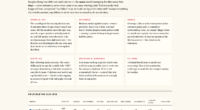
Date
YYYYMMDD format makes chronological sorting automatic. Example: 20231015
Location
Where you were. Helps recall the scene. Example: Montmartre
Subject
What you recorded — the event or scene. Example: StreetMusicians
Recorder
Who was involved in the session. Example: JohnDoe
The tradeoff
Simplicity versus richness: strike a balance that provides enough detail without becoming cumbersome. Overly complex conventions backfire — if you forget your own pattern, searching becomes harder than ever.
The Four Metadata Types Every Recording Needs
Metadata is data about your data — the info you’d put on a label. Good metadata makes recordings searchable, understandable, and usable long after you’ve made them.
Descriptive
Title, date, location, scene details — the who, what, where of the recording.
Technical
Format, sample rate, bit depth, device used. Example: WAV, 48kHz, Zoom H4n.
Administrative
Rights info, access permissions, and preservation notes for future migration.
Content Notes
Instruments, speakers, language, and cultural context of the recorded material.
| Method | Travels with file | Format flexibility | Best for |
|---|---|---|---|
| Embedded tags (ID3, BWF) | ✓ Always attached | ~ Limited by format | Single-file portability and long-term integrity |
| Sidecar files (JSON, XML) | ~ Separate from file | ✓ Fully flexible | Rich, structured data and cross-platform workflows |
| Catalog database (Archivematica) | ~ Centralized only | ✓ Schema-driven | Large collections and institutional archives |
Standardization Makes Your Archive Work Everywhere
Standardization is the secret sauce for making your archive usable across systems, collaborators, and decades. Follow a common format and your recordings never turn into unreadable, forgotten files.
Consistent Habits
Adopt established schemas like Dublin Core, METS, or PBCore. Use YYYYMMDD dates. Stick to one pattern: YYYYMMDD_Location_Event_Name. Maintain a style guide for metadata entries.
Fragmentation Risk
Mixed formats and inconsistent conventions make searching, sharing, and migrating data difficult later. Strict adherence takes initial effort — but pays off in long-term accessibility and interoperability.
Key insight
Using standardized schemas like Dublin Core and embedding rich metadata significantly improves long-term access and interoperability of field recordings — anyone familiar with the schema can use your data, even outside your team.
Manage Your Metadata Without Losing Your Mind
You don’t need fancy software — but the right tools make a huge difference. Pick what fits your workflow, from simple folder structures to dedicated archival platforms.
Folder Structure
- Descriptive hierarchy: Year / Location / Subject
- Mirrors your naming convention
- Same tags across all platforms
Tag & Embed
- Adobe Bridge — visual batch editing
- ExifTool — powerful command line
- Audacity — edit while you master
Scale Up
- Archivematica — preservation pipelines
- Omeka — publish and share collections
- Controlled vocabularies for tags
Store & Share
- Dropbox / Google Drive — working copies
- Zenodo / Archive.org — repositories
- Multiple backup locations, always
How Technology Is Making Archiving Smarter
AI and cloud services are reshaping archival work — faster metadata generation, more reliable storage, easier sharing. Estimated time savings on metadata workflows:
Balance automation with oversight
AI-generated metadata reduces human error and saves hours, but requires initial setup and validation. Consider data privacy, cost, and accuracy — machine outputs still need a human ear.
From Field to Forever: The Complete Chain
Every stage feeds the next. Skip one, and the chain — and your archive — breaks down.
How to Name Your Files So They Make Sense in 5 Seconds
File names are your first line of defense against chaos. A good naming convention turns a random jumble into a quick, clear snapshot of each recording. For example, instead of “audio1.wav,” you might use 20231015_Montmartre_StreetMusicians_JohnDoe.wav.
Follow these quick steps:
- Date in YYYYMMDD format — makes chronological sorting easy. Example: 20231015.
- Location or scene — helps recall where you were. Example: Montmartre.
- Subject or event — captures what you recorded. Example: StreetMusicians.
- Recorder or person — identifies who was involved. Example: JohnDoe.
Keep it simple and avoid spaces or special characters, which can cause trouble across different systems. Use underscores or hyphens instead.
Consistency is key. Set a format and stick with it. Over time, this makes searching and sorting a breeze, whether you’re on your laptop or browsing a shared archive.
Choosing a clear, consistent naming scheme is crucial because it directly impacts your ability to quickly locate and identify recordings later. A well-structured filename encodes essential information without needing to open the file, saving time and reducing errors. However, it’s worth noting that overly complex or inconsistent conventions can backfire—if you forget your pattern or deviate from it, searching becomes harder. The tradeoff is simplicity versus richness: strike a balance that provides enough detail without becoming cumbersome.
field recording file naming software
As an affiliate, we earn on qualifying purchases.
As an affiliate, we earn on qualifying purchases.
What Metadata You Need to Describe Your Recordings and Why It Matters
Metadata is data about your data. Think of it as the info you’d put on a label or tag. Good metadata makes your recordings searchable, understandable, and usable long after you’ve made them.
Key types include:
- Descriptive: Title, date, location, scene details.
- Technical: Format, sample rate, device used. Example: WAV, 48kHz, Zoom H4n.
- Administrative: Rights info, access permissions, preservation notes.
- Content notes: Instruments, speakers, language, cultural context.
Embedding comprehensive metadata ensures future users—yourself included—can understand the context, technical specs, and significance of each recording. This is especially important when dealing with large collections or sharing archives with others, as it reduces ambiguity and guesswork. Using schemas like Dublin Core or PBCore helps impose a consistent structure, making metadata easier to interpret across different platforms or institutions. Embedding metadata directly into files (like ID3 tags for MP3s) or maintaining separate sidecar files (like JSON or XML) offers flexibility; however, embedding ensures the info stays with the file, preventing loss if files are moved or renamed. The tradeoff is that embedding can sometimes be limited by file format constraints, so choose your method based on your needs for accessibility and longevity.
As an affiliate, we earn on qualifying purchases.
Standardization Makes Your Archive Work Everywhere — Here’s How to Do It
Standardization isn’t just nerdy jargon. It’s the secret sauce for making your archive usable across different systems, collaborators, and decades. When you follow a common format, your recordings don’t turn into unreadable, forgotten files.
Here are practical ways to keep things consistent:
- Adopt established schemas like Dublin Core for metadata.
- Use consistent date formats (YYYYMMDD).
- Stick to a naming pattern—like YYYYMMDD_Location_Event_Name.
- Maintain a style guide for your metadata entries.
Implementing standardization helps prevent the fragmentation of your archive—where different parts of your collection use incompatible formats or naming conventions. This can lead to difficulties in searching, sharing, or migrating data in the future. The tradeoff is that strict adherence may require initial effort to set up and learn schemas, but it pays off by ensuring long-term accessibility and interoperability. For example, using Dublin Core for metadata across multiple projects ensures that anyone familiar with the schema can understand and utilize your data, even if they are outside your immediate team.
As an affiliate, we earn on qualifying purchases.
Tools and Tips for Managing Your Metadata and Files Without Losing Your Mind
You don’t need fancy software to keep your recordings organized. But choosing the right tools makes a huge difference. From simple folder structures to dedicated archival software, pick what fits your workflow.
Here are some options:
- File management: Use descriptive folder structures like Year/Location/Subject.
- Metadata editors: Tools like Adobe Bridge, ExifTool, or Audacity help embed or edit metadata.
- Archival tools: Software like Archivematica or Omeka supports large collections and metadata schemas.
- Cloud storage: Platforms like Dropbox, Google Drive, or dedicated repositories (Zenodo, Archive.org) offer scalability and sharing options.
Tip: Always keep backup copies in multiple locations. Use consistent naming and tagging across all platforms. Automate metadata extraction where possible—AI tools can help generate tags or transcribe speech, saving hours of manual work. Automating these processes reduces human error, ensures consistency, and saves time, but it requires initial setup and validation to prevent inaccuracies from AI-generated metadata.
cloud storage for audio recordings
As an affiliate, we earn on qualifying purchases.
As an affiliate, we earn on qualifying purchases.
How Technological Advances Are Making Archiving Easier and Smarter
Recent tech breakthroughs are reshaping how we archive. Automated tools and cloud services are changing the game. They make it faster to generate metadata, more reliable to store, and easier to share.
For example, AI-powered speech recognition can transcribe interviews, allowing for quick keyword searches and easier indexing. Sound classification algorithms can automatically tag recordings by instrument, environment, or speaker, reducing manual labor and increasing accuracy. Cloud platforms like Zenodo or Archive.org enable you to store high-res, lossless files with detailed metadata, ensuring long-term preservation and accessibility from anywhere. These tools help you handle larger collections efficiently, but they also introduce new considerations—such as data privacy, cost, and the need for validation of automated outputs. Embracing these innovations means balancing automation with oversight to maintain data integrity and relevance, ultimately making archiving more accessible and less labor-intensive.
Frequently Asked Questions
Why is consistent file naming important in archiving field recordings?
Consistent naming makes it easy to find and organize recordings quickly. It prevents confusion, especially when dealing with large collections, and helps maintain order over time.
What metadata should I include for my field recordings?
Include key details like date, location, subject, recording device, and any relevant contextual info. The more thorough, the easier it is to understand and find your recordings later.
How can I standardize my file naming and metadata practices?
Adopt established schemas like Dublin Core or PBCore, use a fixed naming pattern, and keep a style guide. Consistency across your collection makes management and sharing much smoother.
What tools are available for managing and embedding metadata?
Tools like Audacity, Adobe Bridge, ExifTool, Archivematica, and cloud platforms help you embed, edit, and organize metadata efficiently, even in large collections.
How do recent technological developments impact archiving practices?
AI automates metadata extraction and transcription, while cloud storage scales easily. These innovations save time, improve accuracy, and ensure your recordings stay accessible over years.
Conclusion
Good habits in file naming and metadata turn a chaotic collection into a reliable archive. They’re the foundation that makes your recordings findable, understandable, and safe for decades.
Start small: pick a naming pattern, add basic metadata, and stick with it. Over time, these habits will save you hours, frustration, and even memories lost in the digital dust.
Remember: your recordings are worth the effort. Treat them like the treasures they are, and they’ll serve you and others for years to come.
Fall Picks
fall essentials
As an affiliate, we earn on qualifying purchases.