
TL;DR

Get audio and creator gear delivered free with Prime
- Fast, free delivery on millions of items
- Prime Video, Amazon Music and more included
- Member-only deals all year
Wind noise can be up to 20 dB louder than your desired sound. Foam windscreens work in light wind, while fur deadcats and blimps provide much stronger protection in stronger winds. Proper selection and placement are key to capturing clear outdoor audio.
Ever tried recording outside only to be drowned out by the roar of wind? It’s frustrating — and common. Wind noise is often the biggest hurdle in field recording, turning crisp captures into unusable messes. Luckily, the right gear can make a huge difference.
In this guide, you’ll learn about the three main types of wind protection: foam windscreens, fur deadcats, and blimps. We’ll break down what works best in different conditions, how to pick the right one, and some practical tips to keep your outdoor recordings clean and clear. Because in outdoor audio, wind is the enemy — but the right shield can be your best friend.
Choose foam windscreens for light wind and indoor use; they’re cheap and easy but limited in strong gusts.
Fur deadcats significantly reduce wind noise in moderate conditions, ideal for handheld shotgun mics outdoors.
Blimps or windshields provide maximum protection in high wind, but are bulkier and suited for serious outdoor shooting.
Always match the size and fit of your wind protection to your microphone to ensure maximum efficiency.
Layering foam and fur can dramatically improve sound quality when wind picks up suddenly.
Wind Protection for Field Recording
Foam, deadcats and blimps each solve a different level of turbulence. Match the shield to the wind, fit it precisely and secure every layer to turn roaring gusts into clear, professional audio.
Three defenses, three wind levels
Wind noise comes from turbulent air striking the microphone capsule. Each added layer slows and disperses that moving air before it reaches the diaphragm.
Foam
Open-cell foam slips directly over the capsule. It is inexpensive, light and quick to deploy, but its pores allow stronger gusts to pass through.
Deadcat
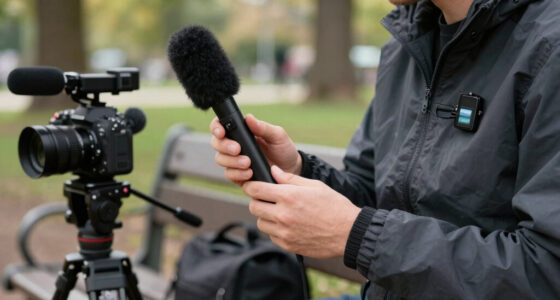
Synthetic fur breaks up turbulence before it reaches the microphone. It excels on handheld shotgun mics, portable recorders and outdoor interviews.
Blimp
A rigid frame creates still air around the mic, while inner foam and outer fur absorb severe turbulence. Maximum protection comes with extra size and weight.
More isolation, cleaner signal
A bare microphone can capture wind that is up to 20 dB louder than the desired sound. Protection restores usable headroom by dispersing turbulence before it overloads the capsule.
Pick by conditions, not habit
The strongest option is not always the best option. Weight, mobility, microphone type and wind intensity should determine what goes into your field kit.
| Criteria | Foam | Deadcat | Blimp |
|---|---|---|---|
| Ideal conditions | Indoor / light breeze | Moderate outdoor wind | Strong / exposed wind |
| Typical reduction | 10–15 dB | 20–30 dB | 25–35 dB |
| Fast deployment | ✓ Excellent | ✓ Good | ~ Moderate |
| Portability | ✓ Excellent | ✓ Good | ✗ Bulky |
| Strong gust defense | ✗ Limited | ~ Capable | ✓ Maximum |
| Typical use | Interviews, voice, calm ambience | Documentary, wildlife, handheld | Film, broadcast, open landscapes |
| Cost / complexity | Low | Medium | High |
Read the wind before you roll
A quick field check prevents most failures. Select the protection level, verify the fit and monitor with headphones before committing to the take.
Assess
Check sustained wind, sudden gusts, terrain exposure and nearby moving foliage.
Match
Use foam for light air, fur for moderate wind and a blimp above roughly 20 mph.
Secure
Eliminate loose edges, fur flapping, frame contact and gaps around the microphone.
Monitor
Listen for low-frequency rumble and handling noise, then reposition before recording.
Performance starts with precision
A premium windshield in the wrong size can perform worse than a basic cover that fits correctly. Measure first, then layer only when conditions require it.
Measure the microphone
Match the windscreen to the capsule and body dimensions. A loose cover leaks turbulence; an overly tight cover can affect sound or strain the equipment.
Layer for changing weather
When wind builds unexpectedly, combine barriers. Keep every layer centered and tightly secured so the protection itself does not create handling noise.
Five rules for cleaner outdoor audio
Good wind protection is a system: the right product, correct size, secure mounting, thoughtful layering and continuous monitoring.
Choose foam for indoor work and light wind where speed, low cost and minimal bulk matter most.
Move to a fur deadcat for moderate wind, handheld shotgun microphones and mobile outdoor recording.
Use a blimp for strong wind, critical dialogue and exposed professional film or broadcast work.
Match diameter and length precisely. Secure all edges to prevent leaks, shifting and flapping.
Layer foam and fur when gusts rise, then monitor for rumble before the important take begins.
Smarter, lighter protection
Field recording FAQ
What should I use outdoors?
Foam for light wind, a deadcat for moderate wind and a blimp for strong or exposed conditions.
Can I combine protection?
Yes. Foam under fur is a practical layered defense; fur can also be used with a blimp in difficult conditions.
Are affordable options effective?
Basic foam and fur can work well in mild to moderate wind. Severe conditions justify a higher-quality blimp.
How should I maintain the gear?
Brush away debris, follow the maker’s washing instructions, dry everything fully and store it in a clean pouch.
What Are Foam Windscreens, and When Do They Help?
Foam windscreens are simple, open-cell foam covers that slip over your microphone capsule. They’re lightweight, cheap, and quick to deploy. Think of them as the first line of defense for light wind or indoor use.
For example, if you’re recording a quiet interview on a breezy day, a foam windscreen can cut down wind noise by about 10-15 dB. They’re perfect for indoor shoots or calm outdoor conditions, like a park on a still day.
But in stronger wind, foam alone quickly loses its edge. The open pores let wind pass through, creating that characteristic rustling sound. Still, they’re handy for quick fixes or when you’re on a tight budget.
As an affiliate, we earn on qualifying purchases.
Why Use Deadcats (Fur Windscreens) in Moderate Wind?
Deadcats are fur covers that wrap around foam windscreens or go directly over microphones. They’re designed to mimic natural fur, disrupting wind turbulence before it hits the mic capsule.
Imagine shooting a documentary in a breezy meadow. A deadcat reduces wind noise by about 20-30 dB, making it ideal for moderate conditions. They’re popular with handheld shotgun mics, especially for outdoor interviews or wildlife recording.
For example, a professional wildlife videographer using a shotgun mic with a fur cover can capture crisp bird calls even when a brisk wind blows through trees.
They’re more effective than foam alone, but not foolproof in hurricane-force gusts. Proper fit and securing the fur to prevent flapping are key to optimal performance.
professional deadcat wind cover for shotgun mic
As an affiliate, we earn on qualifying purchases.
As an affiliate, we earn on qualifying purchases.
How Blimps Maximize Wind Noise Reduction in Tough Conditions
Blimps, also called windshields or zeppelins, are large, enclosed covers combining foam and fur inside a rigid frame. They’re the heavy artillery for outdoor wind storms, shielding your mic from gusts over 30 mph.
Picture filming a storm-chasing documentary on a mountain ridge. A blimp can reduce wind noise by 25-35 dB, keeping your audio clear despite howling gales.
They’re bulky and heavier but worth it when you need maximum protection. Many models are lightweight enough for handheld rigs, with quick-attach mounts for convenience.
While overkill in calm conditions, blimps shine in open landscapes, high winds, or when recording critical sound for film and broadcast.
microphone blimp wind shield for field recording
As an affiliate, we earn on qualifying purchases.
As an affiliate, we earn on qualifying purchases.
Material and Fit Matter: Picking the Right Windshield for Your Mic
High-quality fur and foam materials matter because they last longer and do a better job at noise reduction. Synthetic fur, for example, resists moisture and wear, making it ideal for rainy or humid environments.
Measuring your mic accurately is step one. A too-loose windscreen lets wind slip in; too tight, it mutes your sound or damages the gear. Always match the diameter and length of your mic to the wind protection.
For instance, a 20 mm shotgun mic needs a fur cover designed to fit snugly around that diameter, not a generic one-size-fits-all.
Proper fit and material choice ensure your gear performs at its best, reducing wind noise effectively without adding handling noise or fuss.
foam windscreen for camera microphone
As an affiliate, we earn on qualifying purchases.
As an affiliate, we earn on qualifying purchases.
Layering Up: When and How to Combine Wind Protection Gear
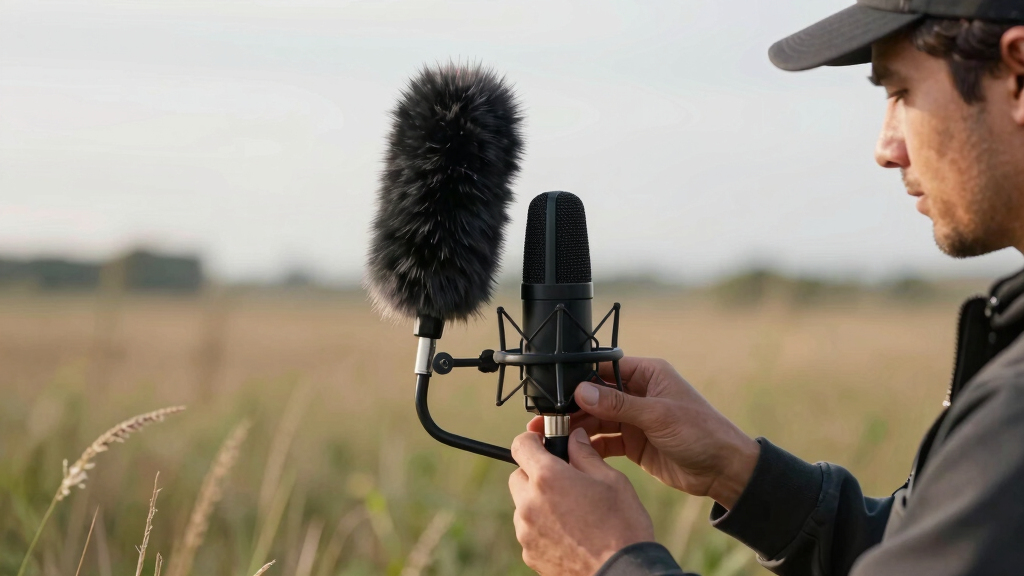
Layering can boost wind noise reduction when conditions turn nasty. For instance, you might put a foam windscreen over the mic first, then add a fur deadcat on top for extra protection.
This approach is like putting a raincoat over an umbrella — extra layers keep more wind out.
In practice, a filmmaker recording in a blustery canyon might use a foam windscreen on the mic, then slip a fur cover over it, and finally mount a blimp if wind picks up suddenly.
Just ensure all layers are secured tightly to avoid flapping or shifting, which can introduce handling noise.
Latest Trends: Smarter, Lighter, Better Windshields
Modern windshields are lighter and more portable thanks to new synthetic materials. Some use advanced fur that reduces wind noise more efficiently while resisting rain and wear.
Design improvements include quick-attach frames and foldable blimps, making setup faster in the field. Hybrid solutions combine foam and fur layers, giving you versatile protection without extra bulk.
For example, a recent model features a lightweight aluminum frame with synthetic fur that folds neatly into a small pouch — perfect for mobile shooters.
These innovations mean better performance without sacrificing portability, especially important for solo shooters or those on the move.
Frequently Asked Questions
What type of wind protection should I use for outdoor field recording?
Use foam windscreens for light wind or indoor shoots. Switch to fur deadcats in moderate conditions, and opt for blimps when wind speeds exceed 20 mph. The environment and wind intensity guide your choice.How do I measure my microphone for the right windscreen?
Measure the diameter and length of your mic’s capsule and body. Match these dimensions with the windscreen’s specifications for a snug fit, ensuring maximum noise reduction and minimal handling noise.Can I layer different wind protection devices?
Absolutely. Combining foam with fur or using a fur cover inside a blimp can provide layered defense, especially in gusty or unpredictable wind conditions. Just secure all layers tightly.Are affordable wind protection options effective enough?
Yes, budget-friendly foam windscreens and basic fur covers can significantly reduce wind noise in mild to moderate conditions. For severe environments, investing in a high-quality blimp pays off.How should I clean and maintain my wind protection gear?
Gently brush off dirt and dust regularly. Fur covers can often be hand-washed or cleaned with a soft brush, following manufacturer instructions. Keep gear dry and store in a dust-free pouch for longevity.Conclusion
Wind noise remains the biggest enemy of outdoor recording, but the right gear makes a real difference. From cheap foam covers to professional blimps, each tool has its place — and knowing when to use them is key.
Remember: proper fit, material, and layering turn wind protection from an afterthought into your best friend. Get your setup right, and your outdoor recordings will sound clearer, crisper, and more professional — even in the wildest conditions.
Fall Picks
fall essentials
As an affiliate, we earn on qualifying purchases.