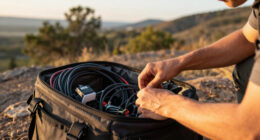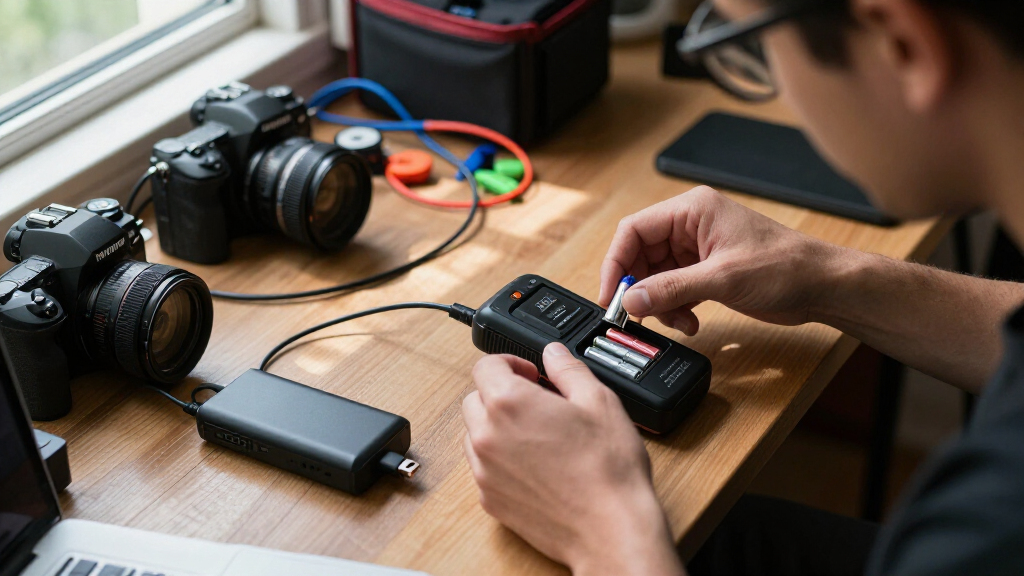
TL;DR
Listen free for 30 days with Audible
Thousands of audiobooks and originals — cancel anytime.
Start your free trialAs an affiliate, we earn on qualifying purchases.
For long shoots, high-capacity USB power banks generally outlast AA batteries, especially for devices with higher power needs. However, the best choice depends on your equipment, environment, and budget.
Long shoots demand reliable power. Whether you’re recording in the wild or working on a remote set, understanding your battery options can save you time and frustration. You might think AA batteries are the simplest, or that power banks are bulky and inconvenient. The truth is, choosing the right source depends on your gear and how long you need it to run.
In this guide, you’ll learn the real differences between AA cells and USB power banks—what makes one better than the other in specific situations—and how to pick what works best for your portable recording setup. No fluff, just practical advice based on real-world needs.
What Are the Core Differences Between AA Batteries and USB Power Banks?
At a glance, AA batteries and USB power banks are both portable energy sources, but they serve different roles and have different strengths. AA batteries, whether disposable or rechargeable, are simple, cheap, and widely available. They fit into many small gadgets—like wireless microphones, LED lights, and small recorders—without fuss.
USB power banks, on the other hand, are rechargeable batteries designed to supply power via USB ports. They pack more capacity into a compact case, allowing you to run larger or multiple devices longer. Think of a power bank as a portable power station—more versatile but slightly heavier and bulkier.
For example, a typical AA rechargeable cell holds about 2000 mAh, enough to power a small LED light for a few hours. A 10,000 mAh power bank can do that same job for over 8 hours, or power multiple devices at once. So, the key difference? Capacity, reusability, and how they fit into your workflow.
Understanding these core differences matters because it influences your planning, convenience, and costs. Relying solely on AA batteries might be quick and cheap for short bursts, but for longer shoots, the capacity limitations become apparent, requiring frequent replacements. Power banks, although more expensive upfront, offer a more scalable solution that can handle multiple devices simultaneously, reducing interruptions and downtime. The choice ultimately impacts your workflow, budget, and environmental footprint.
As an affiliate, we earn on qualifying purchases.
How Capacity and Runtime Decide Which Power Source Fits Your Long Shoot
Capacity determines how long your gear runs before needing a recharge or new batteries. AA batteries are rated in milliamp hours (mAh), with common rechargeable types around 2000 mAh. This rating indicates how much charge the battery can store; however, the actual runtime depends on your device’s power consumption and efficiency. For instance, a device drawing 200 mA could theoretically run for 10 hours on a fresh AA cell, but real-world factors like device inefficiencies or voltage drops can shorten this.
Power banks list capacity in milliamp hours as well, but since they are rechargeable, you can top them off many times. A 10,000 mAh power bank can power a typical smartphone 2-3 times or run a small LED light for 8-10 hours. The key implication? Fewer trips to swap batteries or recharge, which is crucial in remote or time-sensitive shooting conditions. This extended runtime reduces logistical headaches, allows for longer continuous recording, and minimizes the risk of power failure mid-shoot.
Imagine you’re filming a documentary. Your wireless microphones run on AA batteries—quick to swap but limited in duration. Meanwhile, your LED panel is powered by a 20,000 mAh power bank, providing hours of uninterrupted light. The tradeoff lies in initial investment versus operational convenience. Recognizing how capacity directly impacts your shoot duration helps you plan better, ensuring your gear stays powered when it matters most. It also highlights the importance of matching your power source to your device’s power draw and the length of your shoot, balancing cost, convenience, and reliability.
rechargeable AA batteries for electronics
As an affiliate, we earn on qualifying purchases.
As an affiliate, we earn on qualifying purchases.
Defining Your Power Needs: How to Assess Your Equipment and Shooting Environment
Before choosing between AA batteries and power banks, it’s essential to evaluate your specific power requirements. Start by listing all devices you’ll be using—microphones, lights, recorders—and note their power consumption specifications. Consider how long each device needs to run and whether you’ll have access to recharging options during your shoot.
For instance, a small portable recorder might draw only 0.5W, lasting many hours on a single AA battery. Conversely, a high-powered LED light might require 10W, draining batteries quickly. Understanding these details helps you estimate total power needs and select the appropriate capacity for your power source.
In addition, consider environmental factors—outdoor shoots may limit recharging options, making high-capacity power banks more attractive. Indoor or short-term shoots might comfortably rely on disposable batteries or smaller power banks. Knowing your environment and equipment helps you make informed decisions, minimizing the risk of unexpected power loss and ensuring smooth operation throughout your shoot.
portable power bank for long shoots
As an affiliate, we earn on qualifying purchases.
As an affiliate, we earn on qualifying purchases.
Applying Your Knowledge: Practical Tips for Managing Power During Long Shoots
Once you’ve assessed your power needs, implement strategies to manage your batteries effectively. For portable setups, consider carrying a mix of fully charged power banks and spare batteries to adapt to changing conditions. Use power banks for high-consumption devices like lights and recorders, and keep spare AA batteries for smaller or backup devices.
Label your batteries and power banks with the last charging or replacement date to track usage. In remote locations, plan your recharging options—solar chargers or portable generators—to keep your power sources topped up. Regularly monitor your devices’ power levels during breaks to prevent unexpected shutdowns.
Also, optimize your setup by turning off unused devices and lowering power consumption where possible. For example, dimming lights or reducing microphone gain can extend your power supplies’ lifespan. These practices ensure you maximize your equipment’s operational time, making your long shoot more efficient and less stressful.
high capacity AA rechargeable batteries
As an affiliate, we earn on qualifying purchases.
As an affiliate, we earn on qualifying purchases.
Frequently Asked Questions
Can I run my professional camera on AA batteries?
Most professional cameras use proprietary batteries, and few support AA cells directly. However, some smaller or older models might have adapters or external power options that accept AA batteries. Always check your camera’s specs before attempting to power it with AA cells.
How long can a 10,000 mAh power bank last during extended filming?
It depends on your device’s power consumption. For example, a small LED light drawing 1A (1000mA) could run for about 10 hours on a full 10,000 mAh bank. Always calculate based on your gear’s actual draw to plan effectively. Recognizing this helps you allocate power resources efficiently, avoid unexpected shutdowns, and optimize your shooting schedule. Longer-lasting power banks are especially valuable for extended outdoor shoots where recharging options are limited, making it critical to match capacity with your specific needs.
Are rechargeable AA batteries worth the extra cost?
Absolutely. Over time, rechargeable AA batteries pay for themselves after just a few uses, reduce waste, and provide consistent power. They’re especially handy if you shoot regularly and want a reliable, eco-friendly option. The tradeoff involves initial investment and the need for a charger, but the long-term savings and environmental benefits outweigh these costs. Plus, rechargeable batteries tend to hold their charge longer and perform better under repeated cycles, ensuring your gear stays powered with less hassle and waste.
What’s the best way to recharge power banks in remote locations?
Use portable solar chargers or hand-crank generators. Solar panels can be compact and foldable, perfect for outdoor shoots, and can harness free sunlight to replenish your power bank. Hand-crank options are also available for emergency recharging when sunlight isn’t available. Always ensure your solar setup matches your power bank’s input requirements and is set up in optimal sunlight conditions. Recognizing the importance of sustainable recharging methods allows you to extend your shoot duration, reduce reliance on grid power, and maintain continuous operation in the field.
Conclusion
When planning long shoots, the right battery choice isn’t just about capacity—it’s about matching your gear, environment, and workflow. In most cases, a good high-capacity power bank beats AA batteries for endurance and convenience. But don’t overlook the simplicity and immediacy of AA cells for quick fixes.
Think ahead, test your setup, and keep a mix of options handy. That way, you’ll stay powered through the longest days, with confidence and minimal fuss. A simple question remains: what’s your next long shoot, and which power source will you trust?
Fall yard work Picks
leaf blowers
As an affiliate, we earn on qualifying purchases.